

“God so loved the world that he gave his only-begotten Son, so that everyone who believes in him might not perish but might have eternal life” (Jn. 3:16). Many theologians and scripture scholars have suggested that this very well-known and recognizable sentence defines the whole reason and purpose of the Gospel. At its core, it reveals the very nature of God. What is that nature? Love. A Love that is a free choice, freely given, that contains within it the fullness of compassion and mercy, forgiveness and redemption. The Incarnation is an act of total, absolute, self-giving love, done for our good, despite our sins.
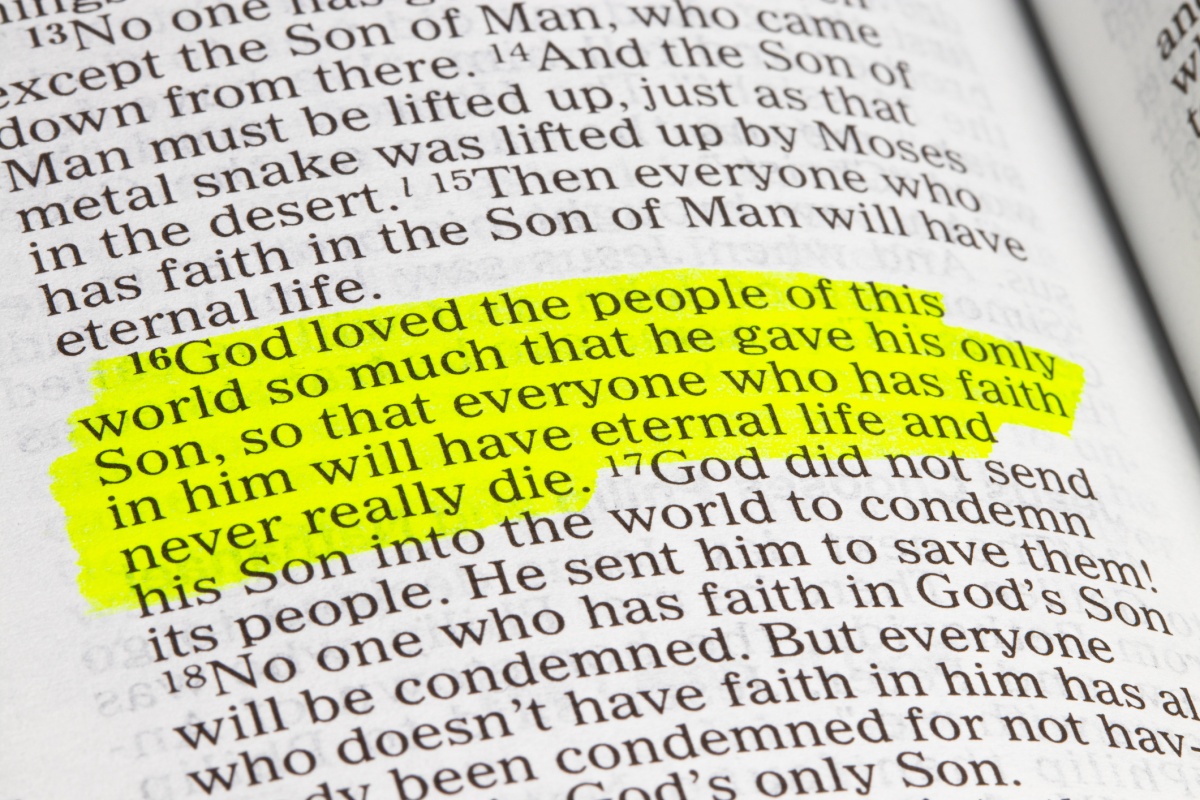
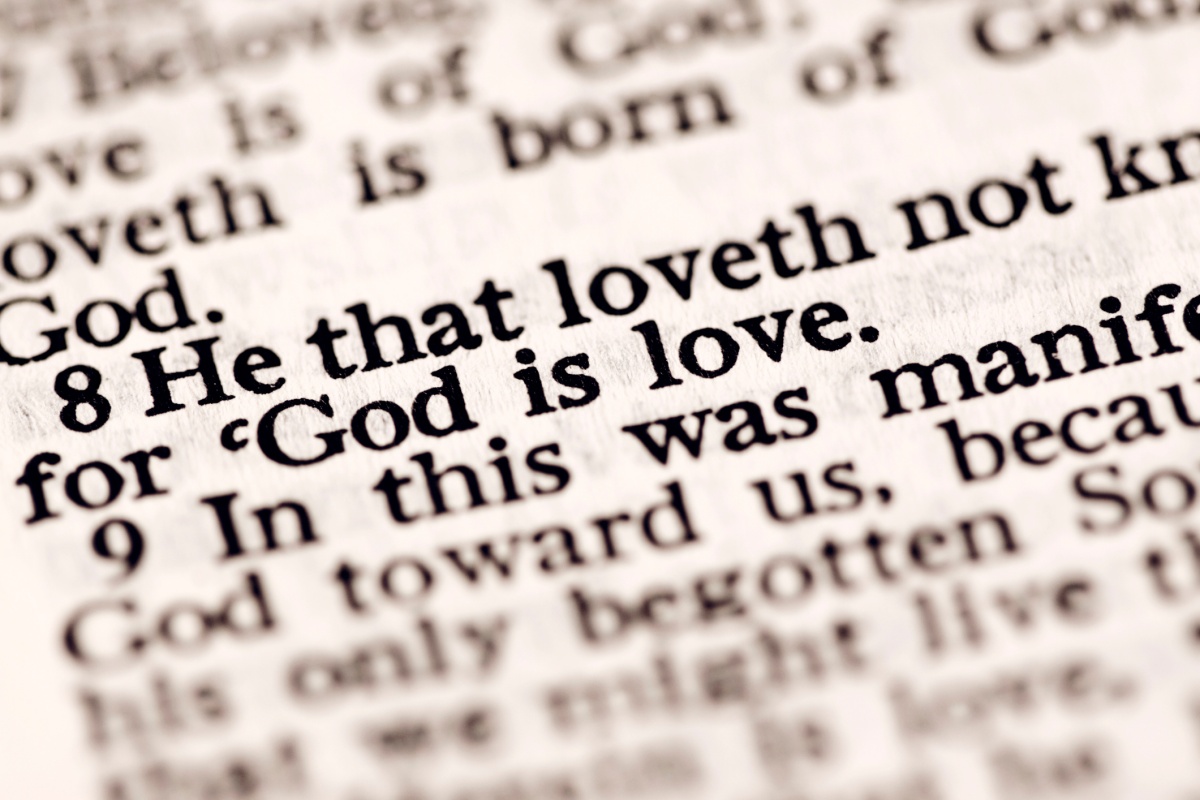
God is the fullness of Reality, the very essence of Reality; all of Reality came to be and exists in and through Him. John tells us in another scripture passage that, “God is love” (1 Jn. 4:8). That is God’s nature, that is God’s Reality. This love is not some imagined, ‘romantic’ kind of love; it is a harsh and even a dreadful love. This love is not a theory, it’s a living practice. It is God’s answer to evil, sin, and death. It is not a philosophy, but a Real Person who humbled himself to come and live among us, a Real Person who loved us so deeply that he willingly humbled himself and sacrificed everything, so that those who come to believe in him might have eternal life.
But verses 17-21 reveal much about us, too. We are told that those who believe in him will not be condemned, but we are also told that this “light came into the world, but people preferred darkness to light, because their works were evil. For everyone who does wicked things hates the light and does not come toward the light, so his works might not be exposed” (vs. 19-20). Our response to God’s love is always a matter of freedom. This is the great paradox of our fallen humanity. God allows us to freely receive his love and to live it out in the world, or to freely defy that love and receive all of the unintended and unwanted consequences.
The reason there is evil in the world is this freedom, and the reason there is freedom is that there is love, God’s love. It is within our capacity to come to know that love and to freely choose to receive it and to be the willing instruments of that love in action ourselves, with our friends, neighbors, even with strangers…Or not. This is the remarkable paradox of our humanity. The reason there is evil in the world is that there is love. That love, even when recognized, is so often willfully spurned, rejected, misunderstood, and even despised.
To know, to love, and to do God’s will in our lives is to live in Reality. To live in the truth of God’s Reality is to love actively, boldly, even sacrificially in the world. This is the life of a disciple, of one called to be a saint. To willfully defy God’s love is to live outside of God’s Reality, and this is the source of all of the suffering in the world. Our freedom gives us the power to freely choose to fit ourselves to the shape of God’s Reality. We also have the freedom and the power to deny God’s love, to become people of the lie who distort God’s Reality and, therefore, ourselves, which is the source of all of our suffering. To put it succinctly, sanctity is sanity (Reality). Evil is insanity (unreality).

Verse 21 concludes this opening section of John’s Gospel with these words, “But whoever lives in truth comes to the light, so that his works may be clearly seen as done in God.” J.R.R. Tolkien wisely said of the Gospels: “There is no tale ever told that man would rather find was true.” This is no fairy tale. It is not as Shakespeare’s Macbeth put it, “a tale told by an idiot full of sound and fury signifying nothing.” The Word that was from the beginning, that was with God, through whom all things (Reality) came to be and is sustained in every moment, is the pure light of truth, goodness, mercy, and love. If we freely choose to fit ourselves into that Reality, our works will be seen as done in God, that is, in Love, and our lives will be full now, and in eternity. If, on the other hand, we freely choose the unreality of the lie, our works will give life only to our own suffering and death now and in eternity. Sanctity or insanity? Choose one.
More to Explore
SKM: below-content placeholderWhizzco for FHB