
This question has been in the news a great deal lately. It is a question that has practical political and faith dimensions. Who are we to obey? Especially in matters of great moral concern. And the question has always been the same. Are we who believe in and profess what Jesus Christ teaches, to follow the will of man or the will of God in all things? As it was in the Apostle’s day, this question remains a great challenge for us today. We see the Apostles handle this question in both Acts 4 and Acts 5 when they are brought before the Sanhedrin and ordered to no longer teach in the name of Jesus.
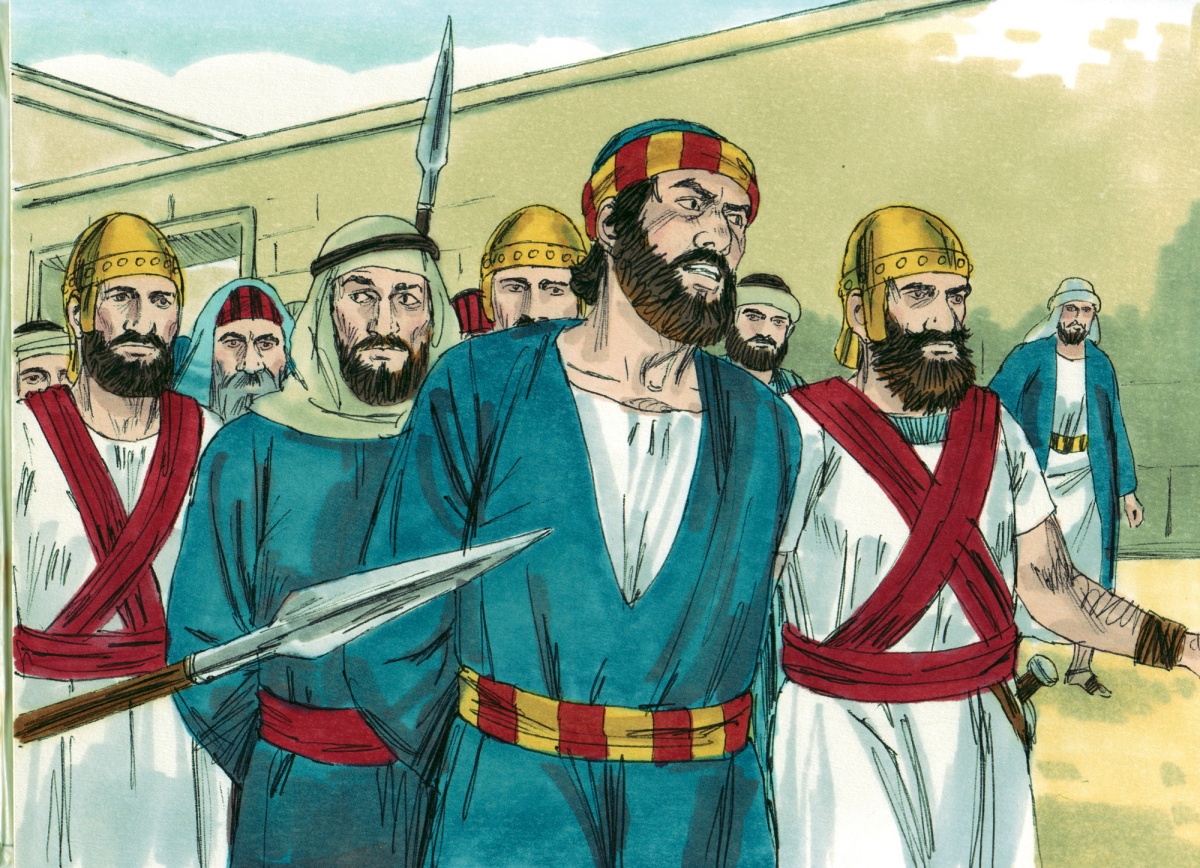
In these two episodes, we see the Jewish civil and religious leaders attempting to impose their will on Peter and John before the Sanhedrin. The leaders are troubled not so much by the healing of the crippled man as by how openly and boldly Peter and John are preaching in the name of Jesus Christ. They ‘order’ Peter and John to go and no longer “speak or teach at all in the name of Jesus” (Acts 4: 18). It is Peter and John’s response that we must see as the centerpiece of this passage, indeed, of our own living faith here and now in this present age. They say, “Whether it is right in the sight of God for us to obey you rather than God, you be the judges. It is impossible for us not to speak about what we have seen and heard” (vs. 19-20).
There is so much to unwrap here. First, their response recognizes that all that they say and do is done in the hearing and the “sight of God”. And we know and believe that God sees not only the outward actions of our choices but also the good or bad motivations of the heart that are beneath those choices and actions. For the Christian believer, it is not the fear of punishment that makes us obey; it is the depth of our love for God. We obey the will of God because we have seen that his will is nothing less than infinite compassion, mercy, and self-emptying love for us. W⁹e obey because we know we are loved. We know and believe that God’s will for us and the world, unlike the fickle, ever-changing will of man, is perfectly and eternally good, true, and just.

With a hint of irony, Peter and John confront the Jewish leaders with the question of where our obedience is owed first and foremost: to God or to man? They tell the leaders, “You be the judges.” That question is addressed to all of us. What prevented the leaders and elders (or us) from answering as Peter and John did? Is it Pride? Envy? Greed? The desire for Power?
Peter and John finish with a bold confession of their faith, “It is impossible for us not to speak about what we have seen and heard” (v. 20). Why is it “impossible” for them not to preach in Jesus’ name? Their consciences. They had seen, heard, and come to know the truth. To do otherwise would deny both God and their very selves. As Christians, we, too, have seen and heard that truth. Why, then, do we so often give our obedience to man before God? That is the question that we all must ask ourselves.
In Acts 5, Peter and the Apostles are again brought before the religious/political leaders because they have “disobeyed” their orders not to preach in Jesus’ name. When they are challenged by the leaders this time they respond even more boldly: “We must obey God rather than man” (Acts 5: 29). And then they preach Jesus to the leaders in their presence, saying again that they were “witnesses to these things” themselves, along with the Holy Spirit who “God has given to those who obey him” (v.32). And they were met, once again, with the self-righteous fury of the leaders who now want to have them put to death.
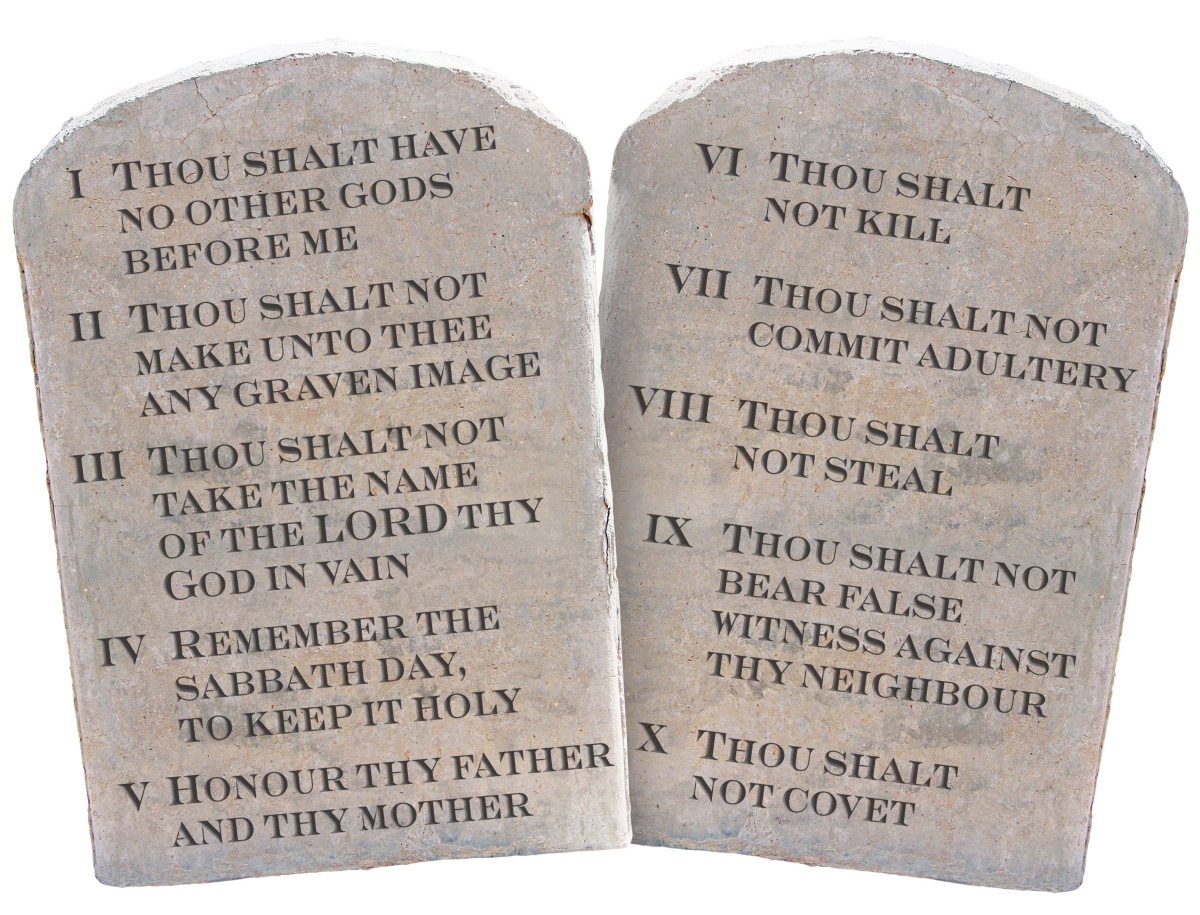
If we are as obedient to God’s law as Peter and the Apostles were then, if we speak the truth of Jesus Christ to the secular, social, and political powers of today, who judge by the ways and ‘wisdoms’ of the world, should we be surprised if we are met with disapproval, ridicule, contempt, hatred, or indifference? If, in faith and commitment, we are clearly and courageously preaching the Good News of Jesus Christ with our words and our deeds, following the way, the truth, and the life of Jesus openly, boldly, and joyfully, we are bound to make those in power at any level uncomfortable. If we are not, that is on us?

Religion is not, and ought not, be political, but is often distorted so. Politics is not, and ought not to be, like a religion, but is often expressed so. When religion is mixed or compromised with politics, all you get is politics. Politics is concerned with governing a society in accordance with, say, a Constitution, or some man-made, philosophical principle of law, which can be good, but also flawed. Religion is concerned with how we govern ourselves in relation to the perfectly just law of God. God’s law transcends the political; it goes beyond the earthly city, ever pointing it and us toward that which is higher and Divine, even as it finds itself in the midst of the world. Christian believers are called to love God and his law before all else, nation, family, culture, or political party. The happy paradox is that when we do, we find the love, peace, freedom, and the true, lasting joy that we all desire.
More to Explore
SKM: below-content placeholderWhizzco for FHB