
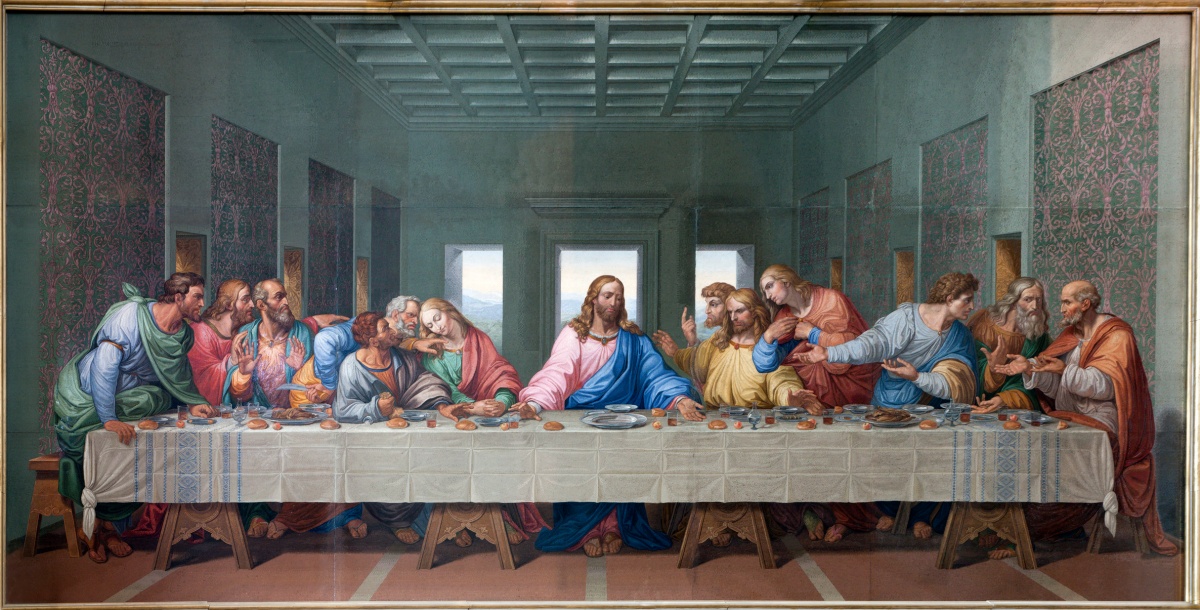
We hear from two of the Apostles in this passage, Thomas and Philip. They have walked with Jesus for three years at this point, and yet, they are still full of questions. This passage takes place during the Last Supper in John’s Gospel. Jesus has been speaking about what lies ahead for him, and he senses that their hearts are troubled. He tells them about his Father’s house and that he is going to prepare places for them there, and he will return to take them to himself so that “where [he] is they may also be.” Then he says, “Where I am going, you know the way.” To which Thomas responds, “Master, we do not know where you are going; how can we know the way?” In all honesty, are we not of the same mind at times?
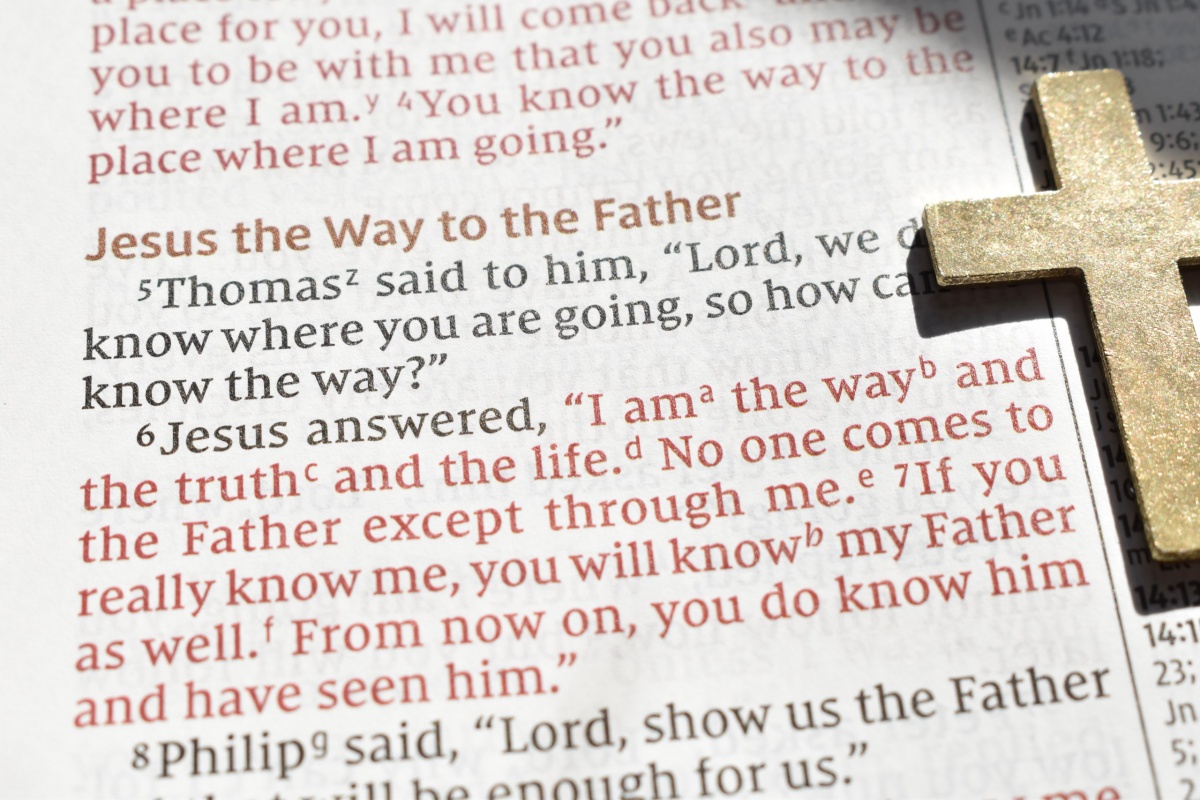
Jesus’ response to Thomas gives us the very core of the Gospels and the very essence of who and what Jesus is for us. He declares, “I am the way and the truth and the life. No one comes to the Father except through me. If you know me, then you will also know my Father. From now on you do know him and have seen him” (v.6). To which Philip, still not getting it, asks, “Master, show us the Father, and that will be enough for us” (v.8). The answer to both questions is in the Person of Jesus. Jesus is the very revelation of the Father to us. Which gives a certain gravitas to Jesus’ response, “Have I been with you for so long a time and you still do not know me, Philip? Whoever has seen me has seen the Father…Do you not believe that I am in the Father and the Father is in me” (vs. 9-10)?
Jesus is saying to us even now, “I am the way, the way to the Father, to the kingdom of God”. In the early Church, before Christianity was called Christianity, the preaching and practice of the faith was called “The Way”. And it was understood to be a certain way of life. The word “way” is used three times in this short passage, and it is used some 8 times in the Acts of the Apostles. It was understood that to become a member of that community called The Way, two things were required of you: You had to know the way of life that Jesus taught, not just for yourself, but so that you could help others to know it and to live it, and you had to, then, actually live The Way with your own life.
In all humility, none of us follows The Way of our Christian faith perfectly. We are finite beings, and fallen to boot; therefore, we are never done learning it, nor are we free from the responsibility to continue learning it. To know Jesus is to know the Father, and The Way to the Father. We do this by studying and praying with the Scriptures, privately, and by listening to and contemplating Jesus’ words in our Christian communities, always keeping our gaze on Jesus, observing the way he lives in the world with all of its suffering, temptations, and death, as well as all of its beauty and goodness. We are aspirants after all; beginners who have to choose every day to continue on the path of The Way that is Jesus Christ.
Every day, we must ask ourselves, “How am I doing?” This is the purpose of learning the practice of ending each day with prayer time: to take an honest assessment of our day, to do a thoughtful, humble examination of our conscience. The practice of following The Way is the project of a lifetime, and it requires a daily commitment of faith. Of course, we learn best by practicing it, by doing our best to walk in The Way each day. Again, we are not perfect. We fall off the track at times, but we can always trust in the loving kindness and mercy and the generous grace of God to get us back on track. As he promised the Apostles that night so long ago, “Whatever you ask in my name, I will do…If you ask anything of me in my name, I will do it” (vs. 13-14).

There is an old aphorism that says, “Every journey begins with the first step.” We took that first step, entering The Way, at our baptism, but our lives still lay before us for we know not how long. To follow The Way, we must make a daily commitment to keep our eyes on Jesus, we must listen to his words and learn to surrender to his truth, not to that of the world (and to know how to discern the difference), and we must endeavor with all of our strength, no matter how timorous our hearts, to live and to love as Jesus did. We cannot do this on our own, not by our own powers. But, as Yogi Berra so famously said, “It ain’t over till it’s over.” Still, we can trust in the promise of Jesus in all of our strivings to remain on The Way, for he says to us: “I am with you always, to the very end of the age” (Mt. 28:20). Amen!
More to Explore
SKM: below-content placeholderWhizzco for FHB