
In this Easter season, we are called upon to continue our reflection on the great gift of our salvation and the even more stunning greatness of the mystery of God’s love for us that is the source of our salvation. Whenever we pray, reflect, or spend time with God to understand his ways, we need to begin with humble recognition of God’s love and mercy. That it is undeserved, yet given to us freely and generously, and not without cost.
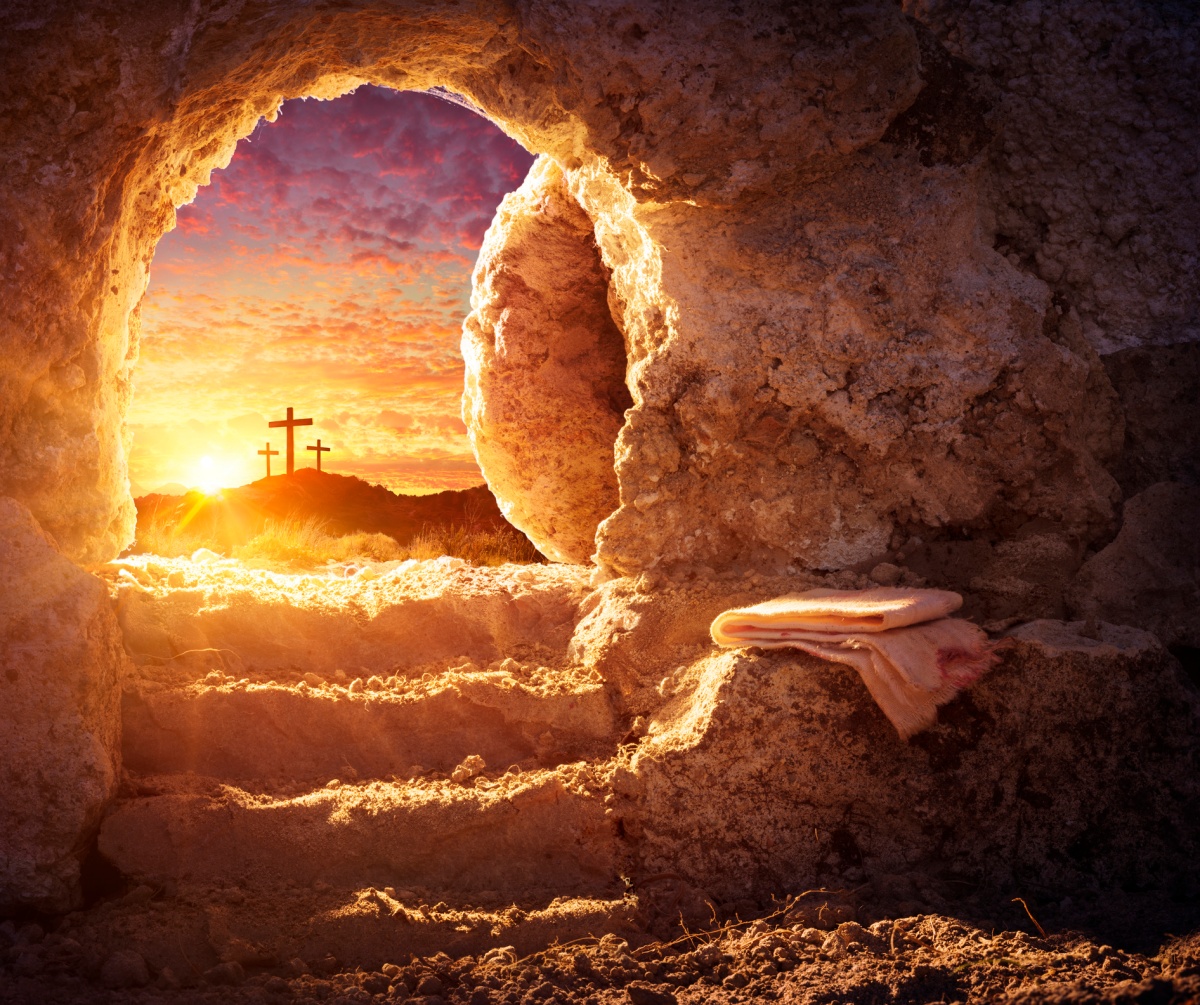
Christ was crucified for our sins. He suffered. He died. And with his rising from the dead, he conquered our greatest enemies, sin and death. We have been saved. Do we live our daily lives as if we truly believe this? It is all part of the story of our salvation, isn’t it? Christ’s wounds were caused by all of humanity’s sins, including my own. His wounds were experienced in his own human flesh. Through his suffering and his death, he poured out the balm of his healing love on all of sinful, wounded, fallen humanity. It is his mercy that heals us, then and now.
“There is no salvation through anyone else” (Acts 4: 12). Through the inspiration of the Holy Spirit, Isaiah foretold the truth about the Messiah writing, “By his wounds we are healed” (Is. 53:5). And Peter repeats this truth in his First Letter, “By his stripes we are healed” (1 Peter 2: 24). Jesus had to suffer to bring about the joy of the Resurrection. These two greatest events in human history cannot be separated. The wounds remain with the risen Jesus. We see this when he appears to the disciples after the Resurrection.
In John’s Gospel, we are told that Jesus suddenly appeared to the disciples where they were
“hiding for fear of the Jews”. They were, of course, startled and he said to them, “Peace be with you” (Jn. 20: 19). Then he showed them the wounds in his hands and his side. But Thomas, who was not there at that time, doubts his friends when they tell him that they had seen him. He responds with a scepticism that sounds very familiar to us today, “Unless I see the mark of the nails in his hands and put my finger into the nailmarks and put my hand into his side, I will not believe” (v. 25).
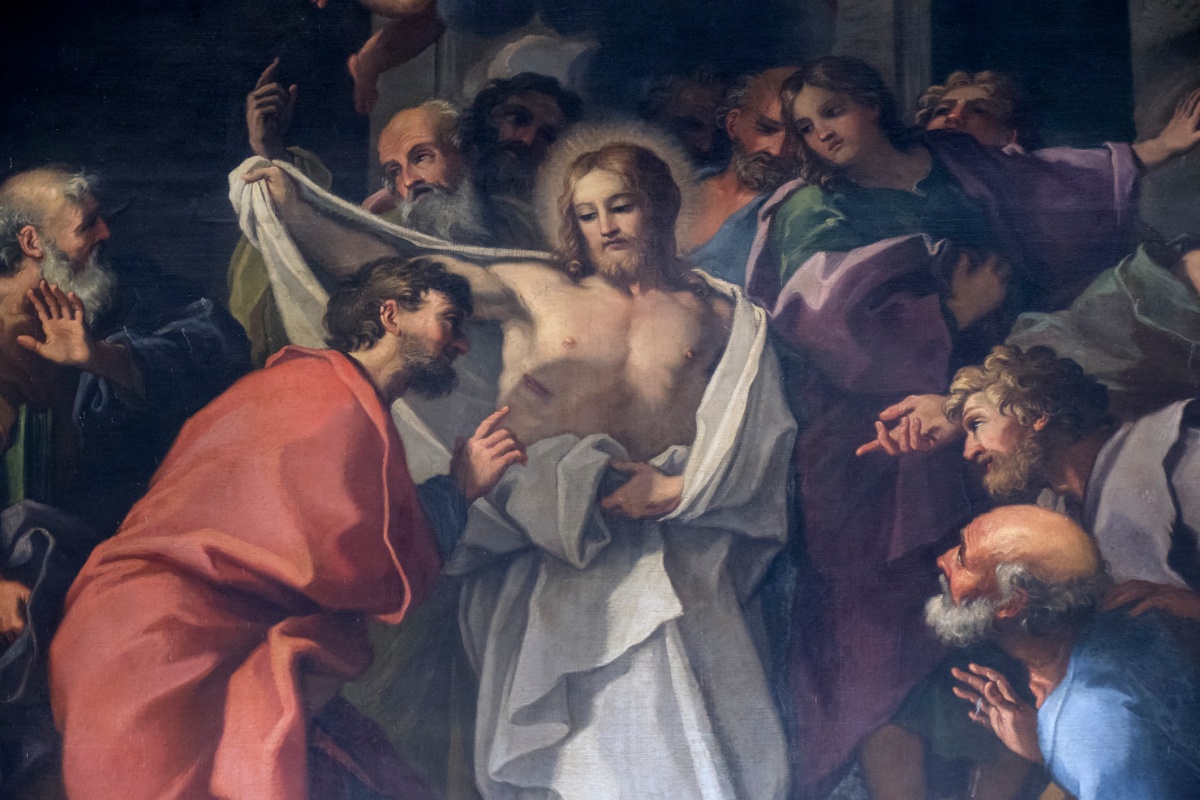
Jesus appeared among them a second time. This time, Thomas was there, and Jesus invited him to do just what he had said, to put his finger in the wounds and his hand in his side. When Thomas saw the wounds, he blurted out: “My Lord and my God!” (v. 28) We miss the point of this great mystery if we separate the suffering and death of Jesus on the Cross from the Resurrection, or make one more important than the other. He came “in the flesh” like one of us. The reality of his humanity is equally important to that of his divinity. It is those wounds that brought our salvation to fruition in him and through him…And him alone. There is no salvation through anyone else, nor is there any other name under heaven given to the human race by which we are to be saved” (Acts 4: 12).
We are always challenged to bring the Gospel truth into our own reality here and now. We are to be on our guard against those who would claim with charismatic charm that they are the ones who can save us, who can bring us to greatness, if we just follow their will. God alone saves us. Our salvation is not in the powers of the world, not in military might, not in wealth or in economic power. God alone has the power to save us. The psalmist, inspired by the Holy Spirit, puts it very directly and succinctly, “Put not your trust in princes, in mortal man who cannot save” (Ps. 146: 3). Put your trust in God alone.

It is a matter of faith to know that Jesus is not distant from us. He is present right here and right now to all who call upon him for his love and mercy and for his supporting grace. His wounds are still real; therefore, his compassion remains real and present to us, especially when we are in the midst of suffering or danger. His wisdom is greater than all the wisdom of the world. He alone is the fullness of truth. There is no other being worthy of our full faith and allegiance. He alone is our salvation! We might legitimately ask: What might the world be like if a critical mass of Christians said with Thomas, “My Lord and my God”, and lived their daily lives in accord with that truth, and that truth alone, every day? My Lord and my God!
More to Explore
SKM: below-content placeholderWhizzco for FHB