
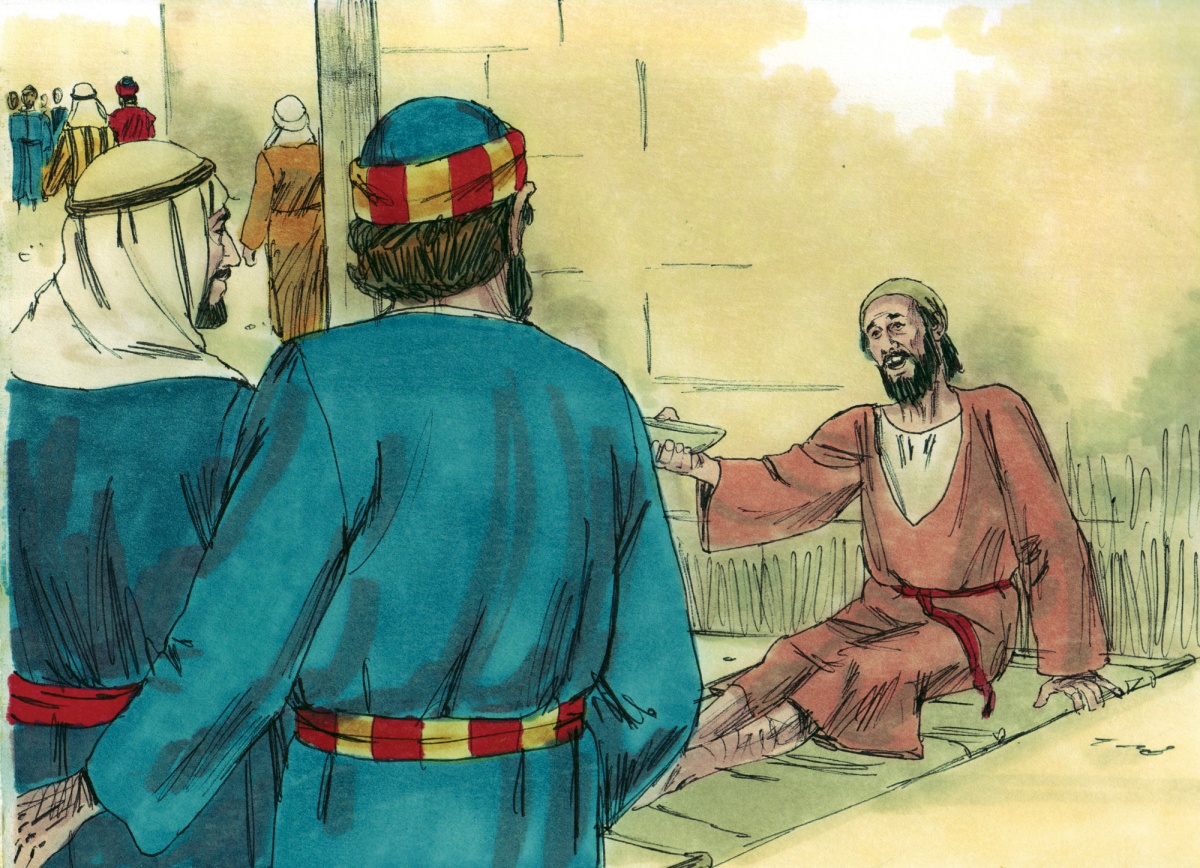
This event takes place outside of the Beautiful Gate, which was on the eastern side of Jerusalem. Peter and John had cured a crippled man in the name of Jesus and were now preaching to the crowds about Jesus, who had recently been crucified by the civil and religious authorities, but had risen from the dead. As they were preaching, the priests, the captain of the temple guard, and the Sadducees burst in upon them for teaching this truth and arrested them. Too late! For then we see these ironic words: “But many of those who heard the word came to believe, and the number of men grew to about five thousand” (Acts 4:4). Where is the real power here?
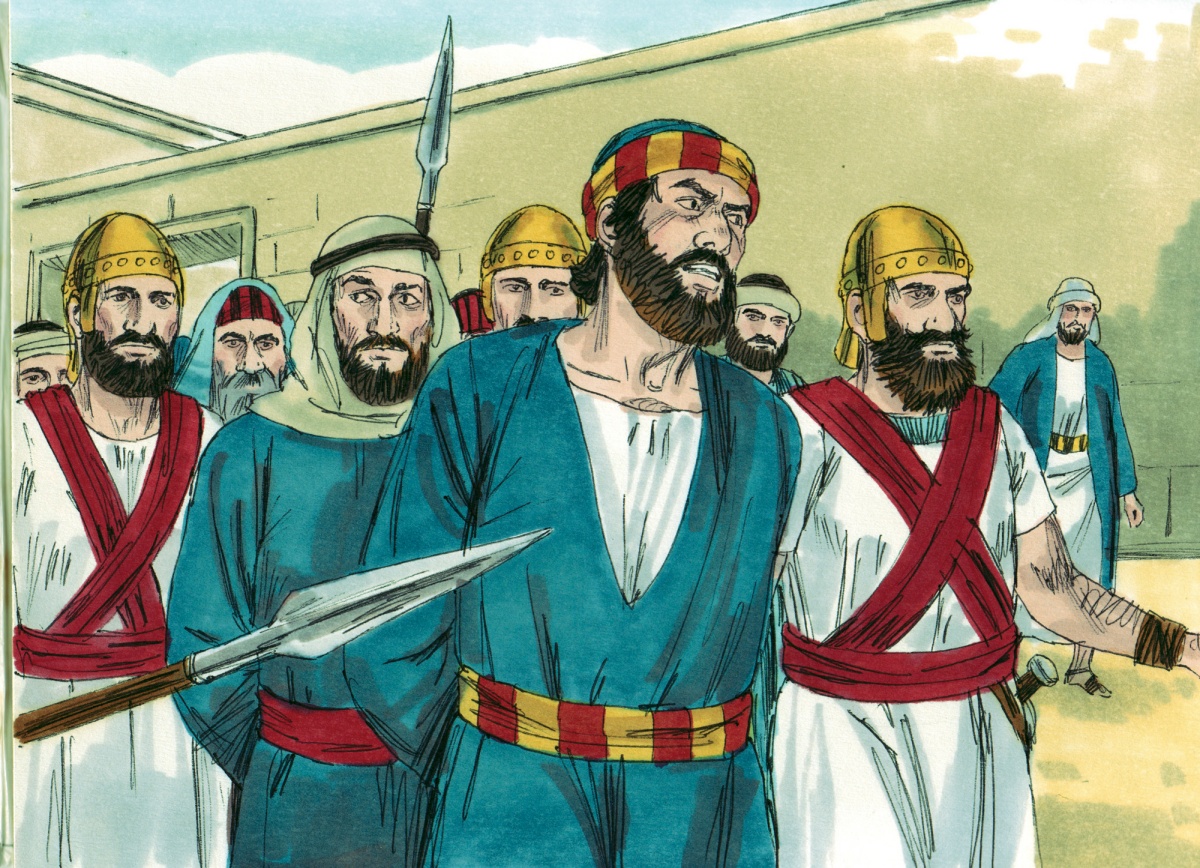
The next day, Peter and John are brought before a great assembly of the leaders, the elders, and the scribes. Many of them are named here, “Annas the high priest, Caiaphas, John, Alexander, and all who were of the high-priestly class” (v. 6). This was to be a show of force, of real temporal power. The great and important Jewish authorities, those who governed both religion and society, brought Peter and John before them to question them about their healing of a crippled man, and they were angry about their preaching. They are filled with their own self-importance, but we can also hear the fear that moves just below the surface of their bold questions.
“By what power or by what name have you done this” (v. 7)? The right question, asked for the wrong purpose, of course. Peter responds with bold confidence, for he is filled with the Holy Spirit. “Leaders of the people and elders: If we are being examined today about a good deed done to a cripple, namely, by what means he was saved, then all of you and all the people of Israel should know that it was in the name of Jesus Christ the Nazorean whom you crucified, whom God raised from the dead; in his name this man stands before you healed.” They are caught off guard by the authority with which Peter speaks.
Then, Peter quotes from the Psalms (Ps. 118: 22) saying, “He is the stone rejected by you, the builders, which has become the cornerstone. There is no salvation through anyone else, nor is there any other name under heaven given to the human race by which we are to be saved” (Acts 4: 8-9). We can imagine their surprise at Peter’s bold words, so clearly directed at them. They are ‘disarmed’, frustrated, confused and silenced. This man that they thought to be an “uneducated and ordinary” man proclaimed these words with such unusual clarity and authority. It is then that they realized that Peter and John were Jesus’ companions.
This passage threatens all who claim to hold all the power, then and now. Power is enticing, even satisfying for a time. It is one of the devil’s greatest tools of temptation. Remember, he even tried to seduce Jesus with it in the desert. All of these chief priests, scribes, and elders see themselves as the supreme authorities in all matters religious and civil among the Jewish community. They are not to be questioned. But their weakness is revealed by the evidence before them, that is, the man who had been crippled for over 40 years now standing, straight and tall, before them, healed through the power of a name, that name they feared the most, the name of Jesus. We can imagine the shock to their egos and the unnamed mix of fear and frustration they must have felt when Peter said: “There is no salvation through anyone else…” (v. 12).
In the end, the powers that be are completely flummoxed. Their only hope is to prevent this miracle, this “notable sign” that has been accomplished through Peter and John, from spreading further among the people. All they have left are pusillanimous threats. They brought Peter and John before them again and “ordered them to speak no more to anyone in this name” (v. 17). And even these threats are shown for their powerlessness when Peter and John answer: “Whether it is right in God’s sight to listen to you rather than to God, you must judge; for we cannot keep from speaking about what we have seen and heard” (vs. 19-20). More threats are proffered by the authorities, but they are compelled to let them go, without punishment, because they fear how the people would respond.

In our own secularist, relativist, proudly individualist times, some continue to tell us that they are the ones who can save us from all of the issues that assail us. Throughout human history, those who have proudly claimed such power and authority to themselves on the merits of their own worldly ‘wisdom’ have all eventually fallen from their presumed grace. In truth, it is only when, in the light of faith, we see the wisdom of giving glory to God alone, above all else; above nation, family, culture, political party, etc., that we find, paradoxically, the happiness, the unity, and the real good that we so naturally and earnestly yearn for all of our lives. Only Jesus saves!
More to Explore
SKM: below-content placeholderWhizzco for FHB