
In Jesus’ day, people believed that anyone who was born with any kind of physical handicap was suffering the consequences of sin, theirs or their parents’. This is why when Jesus encountered the man who was born blind his disciples asked him: “Rabbi, who sinned, this man or his parents, that he was born blind” (Jn. 9: 2)? Jesus responds that neither had sinned, rather, “it is so that the works of God might be made visible through him” (v. 3). Are we not all suffering from some level of blindness in our own lives? What is Jesus trying to teach us here?
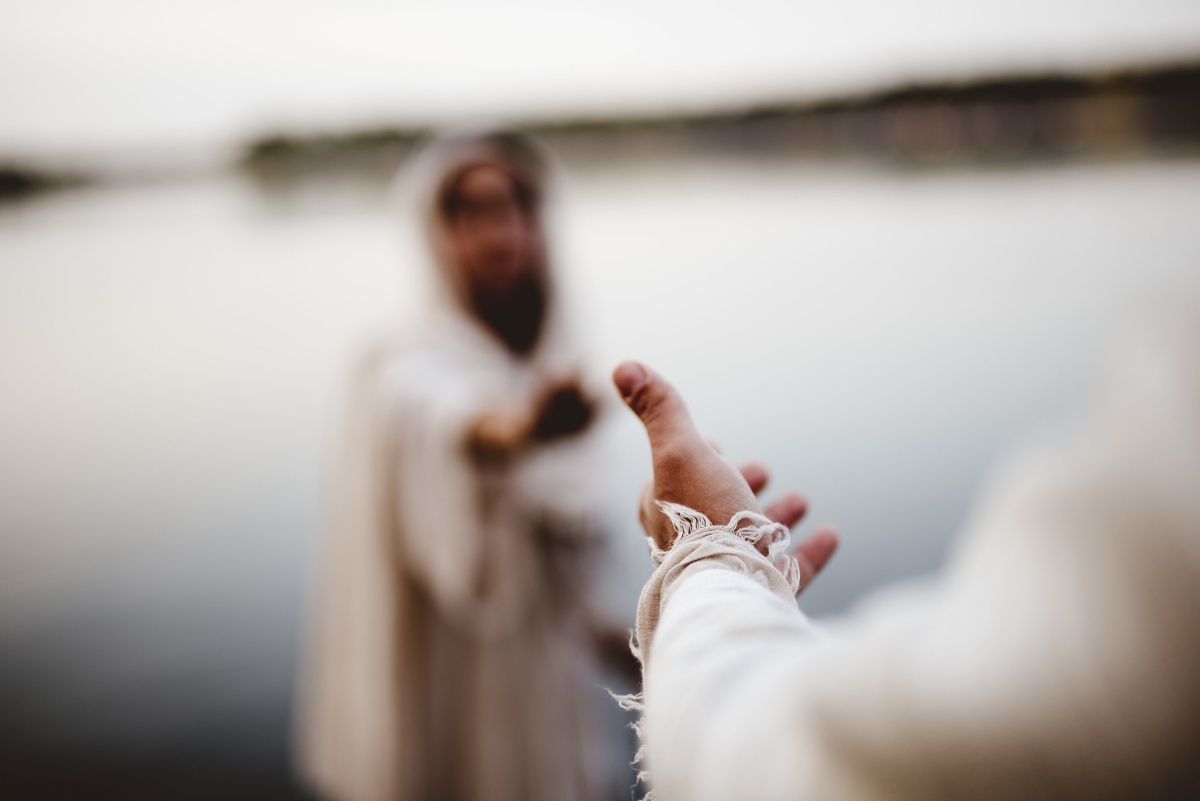
There are two kinds of blindness revealed in this passage. There is the obvious blindness of the man who was born blind and the blindness of the Pharisees, who are unable to see that Jesus is who he says he is. Their blindness is more difficult to cure than the physical blindness of the blind man. Jesus cures the blind man out of compassion, but also so that “the works of God might be made visible” to the Pharisees and to us. In curing the blind man, he is challenging the Pharisees’ blindness, their inability to ‘see’ who he really is. He is offering them a chance to be cured, just as he does for us.
The Pharisees’ pride, though, prevents them from seeing who Jesus is. They are caught up in the belief that religion is a fixed and finished set of ideas and truths. They cannot, or will not, go beyond that. Another way to look at religion is as a call to believe truths that the eye has not yet fully seen and the ear has not yet fully heard. It is a call to enter a great, life-long, and arduous pilgrimage toward the kingdom of God, where we are to follow the Lord, to be led around corners, to discover more and more about him and ourselves along the way. This latter approach is seen in the blind man’s healing.
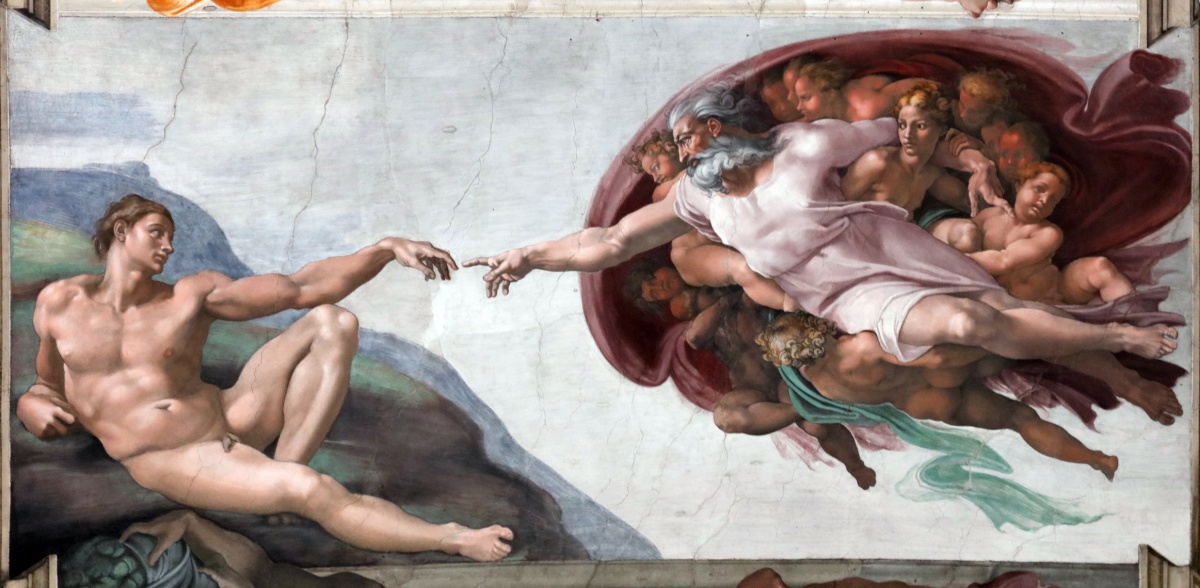
Let’s look at the details. Jesus spits in the ground, on the ‘dust’, and makes clay and smears it on the blind man’s eyes. Do you ‘see’ the connection here between Genesis 2:7 when God, the Father, molds man out of the clay by the river? Jesus, the One through whom all things were made, came into the world in the flesh to recreate fallen man. This is what Jesus is doing here. He tells the blind man to “go wash in the Pool of Siloam (which means Sent). The man does what he is told and “comes back to Jesus able to see” (v. 7).
The man can ‘see’ physically, but does he truly ‘see’ who has done this for him yet? His neighbors are dumbfounded by this obvious miracle and ask him, “How were your eyes opened?” and he replies, “The man called Jesus made clay and anointed my eyes and told me to wash in the Pool of Siloam” (vs. 10-11). Though he has been cured of his blindness, he still does not know who did this for him. He only knows Jesus as a ‘man’ by that name. It is when he is questioned further by the Pharisees about Jesus that his insight into this ‘man called Jesus’ reaches a new level. He says of Jesus, “He is a prophet” (v. 17)
The now-cured blind man is brought before the Pharisees and questioned a second time. He answers their questions once again, truthfully, honestly, without guile. But the Pharisees, blinded by their too narrow understanding of the law (and their own hypocrisy), are stuck on two things: their static belief in the Law of Moses concerning the Sabbath, which they pretend to follow perfectly, and their unwillingness to see Jesus as the Messiah, the fulfillment of that law. We are challenged to reflect within ourselves here, too. Are we caught up in the belief that religion is merely a fixed set of rules and requirements? Or, do we see religion as God’s living means to help us to ‘see’ His truth more fully? Do we see it as a pilgrimage that we walk with God here on earth, where our relationship with him can continue to grow and to deepen every day of our lives?
The blind man’s inner understanding continues to deepen. We see that his journey is not just to bodily sight, but to the fullness of faith. It reaches its zenith after he is accused by the Pharisees of being a follower of Jesus instead of Moses, and is literally excommunicated from the Temple and the faith, thrown out into the streets. Jesus hears about this and finds the man and asks him, “Do you believe in the Son of Man?” To which the man answers, “Who is he, sir, that I may believe in him?” Jesus responds, “You have ‘seen’ him, and the one speaking with you is he.” And the man answers, “I do believe, Lord. And he worshipped him.” And Jesus says, “I came into this world for judgment, so that those who do not see might see, and those who do see might become blind” (vs. 35-38).
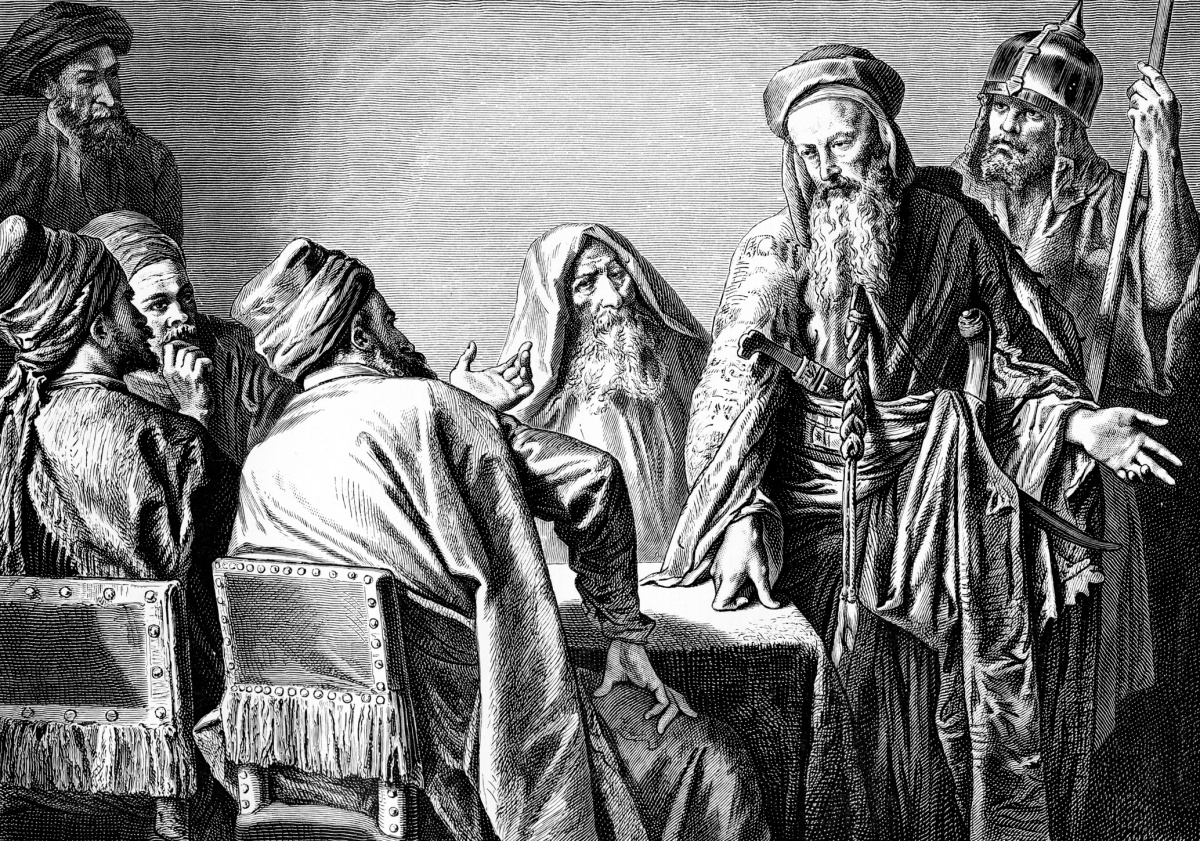
Some of the Pharisees hear this and react out of their continuing blindness toward Jesus? They say to Jesus, “Surely we are not also blind, are we” (v. 40)? And Jesus, revealing their blindness to them in yet another attempt to get them to ‘see’ their own self-contradictions, says, “If you were blind you would have no sin; but now you are saying, ‘We see’, so your sin remains” (vs. 40-41). How many of our own judgments of others arise from our own blindnesses, our own prejudices, our too-narrow perspectives of the Gospel and who Jesus is? Do we see our own sins?
“The blind cannot lead the blind” (Lk. 6 39). At any stage of our faith journey, young or old, we can come to see through the light of humble faith that there is yet so much more to ‘see’ and to know of Jesus, and more and more reasons to follow him on our life’s pilgrimage to the kingdom he has prepared for us. This is the deeper meaning of religion, the role of the community of faith, the role of keeping holy the Sabbath. Paul reveals this to us when he writes, “For now we see in a mirror dimly, but then face to face. Now I know in part; then I shall know fully, even as I have been fully known” (1 Cor. 13: 12).
The former slave trader and sea captain, John Newton, understood this when he wrote: “Amazing Grace! How sweet the sound that saved a wretch like me! I once was lost, but now I am found, was blind, but now I see!… When we’ve been there ten thousand years, bright shining as the sun, we’ve no less days to sing God’s praise than when we first begun.” Amen.
More to Explore
SKM: below-content placeholderWhizzco for FHB