

What a great mystery! We see and often experience too intimately what can be rightfully called the ‘mystery of evil’ all around us. The news is full of it. But in this passage, we encounter an even greater mystery, the unconquerable depth and power of divine love. The full text goes this way: “Rend your hearts, not your garments, and return to the lord, your God, for gracious and merciful is he, slow to anger, rich in kindness, and relenting in punishment.” These beautiful, simple, uncomplicated words reveal the great mystery of the unimaginable love that God has for us.

It is an inarguable truth: we are all sinners in need of God’s mercy. G.K. Chesterton once observed that the only doctrine of Christianity that can be empirically proven is Original Sin. It is “empirically proved by the experience of human history,” both at the global and at the personal/individual level. Despite this experience, indeed because of it, Scripture challenges us with a greater truth: God loves us not because we are good, but because He is good.
It is easy to take credit for the good graces freely given to us by God. But to claim the reality of our failures is often extremely difficult. We are often tempted to lay the blame for our failures elsewhere. But it is only when we recognize our faults and take responsibility for the choices we have made that we can truthfully and humbly ask for forgiveness. We ask for God’s forgiveness for our sins because they are too heavy for us. “We are overcome by our sins; only you can pardon them” (Psalm 65: 4).
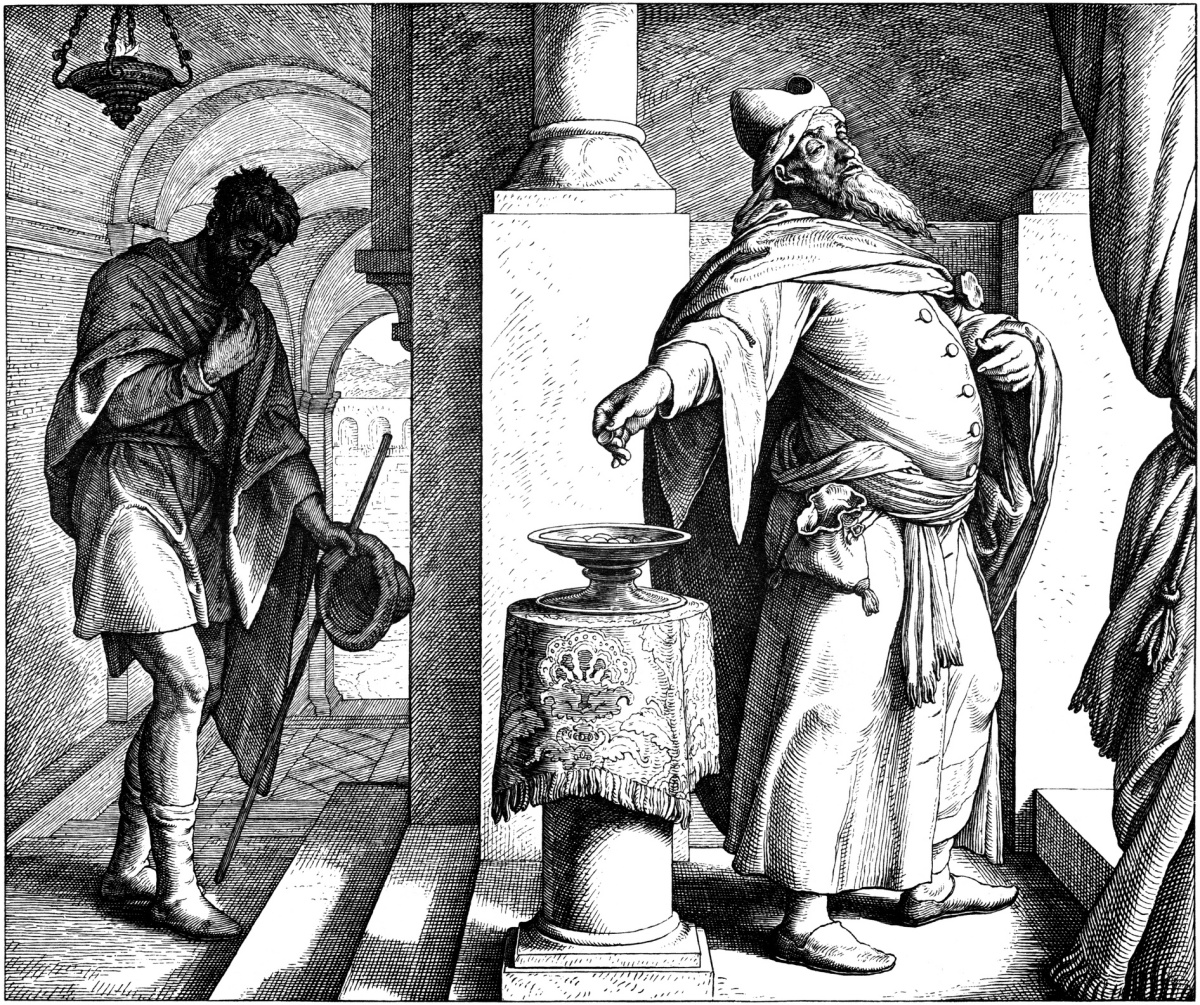
God’s love never leaves us, but our love for God often leaves us. In the parable of the Pharisee and the tax collector praying in the Temple, we see the Pharisee saying: “O God, I thank you that I am not like the rest of humanity, greedy, dishonest, adulterous, or even like this tax collector. I fast twice a week, and I pay tithes on my whole income” (Lk. 18: 11-12). While the tax collector stands at a distance not even lifting his eyes, striking his breast in humble recognition of his own sinfulness and says: “O God, be merciful to me a sinner” (v. 13). It is the humble tax collector who knows God, who puts his hope and trust in God’s mercy, who goes home justified, not the too proud, self-reverential Pharisee.
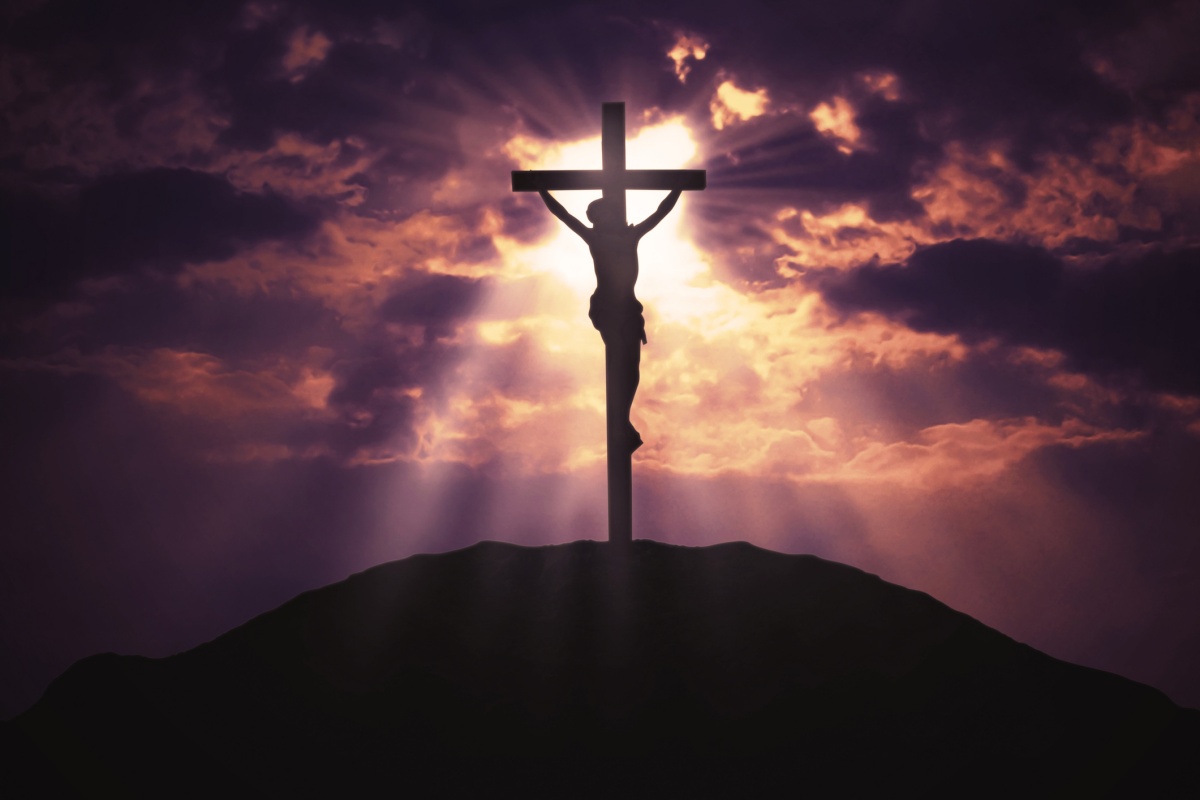
The proof of the mystery of God’s love for us is the Cross. “But God demonstrates his own love for us in this: While we were still sinners, Christ died for us. How much more then, since we are now justified by his blood, will we be saved through him from the wrath” (Rom. 5: 8-9). Jesus Christ demonstrates, makes manifest, the unconquerable power of God’s love in real time, in real history. Here is the great mystery demonstrated on the cross: All of the sins ever committed from Adam and Eve to the present, and all those yet to come, are a drop in the bucket in comparison to the power of God’s infinite love and mercy. Thanks be to God!
In faith, we have reason to face our failings with courage, to admit our faults, and not to put the blame anywhere else. We need only to turn back to God, like the tax collector, in humble surrender to the undeserved, yet freely given love and mercy of God. And there is this, too: He does not remember our sins, he will not hold them against us, as we sometimes do with one another. “For I will forgive their evildoing and remember their sins no more” (Heb. 8:12). This is a matter of God’s divine will. He deliberately blots out our sins. He has no reason to remember them. Rather, he lovingly pours his grace upon us to help us in our own willing, yet stumbling efforts to “Go and sin no more” (Jn. 8:11).
What other response could there be to God’s unimaginable love for us than grateful joy? How do we thank him for such a great gift? We thank him for his forgiving love by doing the same for those who sin against us. “Love one another as I have loved you” (Jn 13:34). With God’s grace, all things are possible! We believe! Amen!
More to Explore
SKM: below-content placeholderWhizzco for FHB