

Timothy, Paul’s protege in the service of the Word of God, gives us a sentence that articulates both our reality as sinners and our reason to hope: “If we are unfaithful he remains faithful, for he cannot deny himself” (2 Timothy 2: 13). God is the essence of faithfulness, because he is the fullness of love. His perfect love makes his faithfulness toward us perfect. Because HE IS perfect faithfulness and love, he cannot deny Himself. We have seen his faithfulness to his generous promise over and over again.
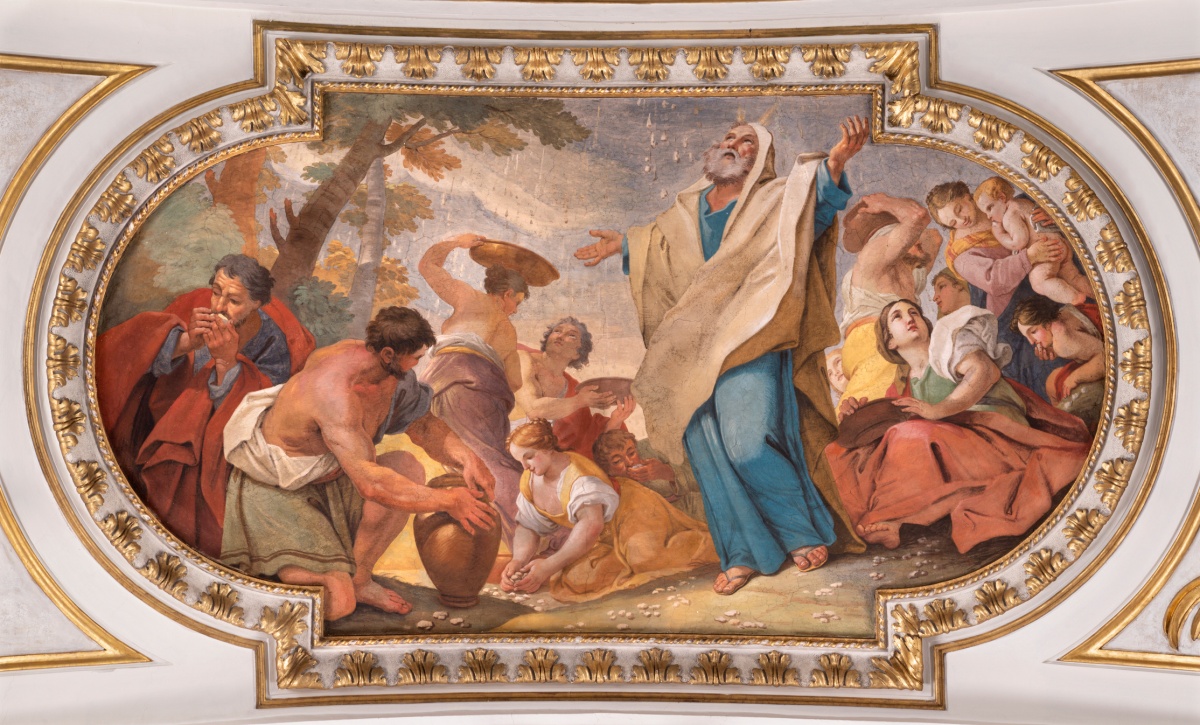
We can see God’s faithfulness throughout the Old Testament. When Adam and Eve failed in their faithfulness to God, he remained faithful to them, promising them a redeemer. When the Israelites fell into unfaithfulness in the desert and tested God’s faithfulness at Massah and Meriba, He remained faithful to them, giving them water from the rock and manna from heaven. Because the Israelites failed to remain faithful to God, they suffered exile over and over again. Yet God remained faithful, returning them to the Promised Land over and over.
In Psalm 105, we hear these words, “He remembers his covenant for ever, his promise for a thousand generations, the covenant he made with Abraham, the oath he swore to Isaac” (vs. 8-9). The entirety of Psalm 105 is dedicated to God’s fidelity to his promise. No matter how many times the Chosen People fell away from him in their faithlessness, he remained faithful, ever merciful and graceful to them. And his faithfulness remains with us today, even though we continually fail to honor his promise to us. His promise of mercy remains faithful and true, now and forever.
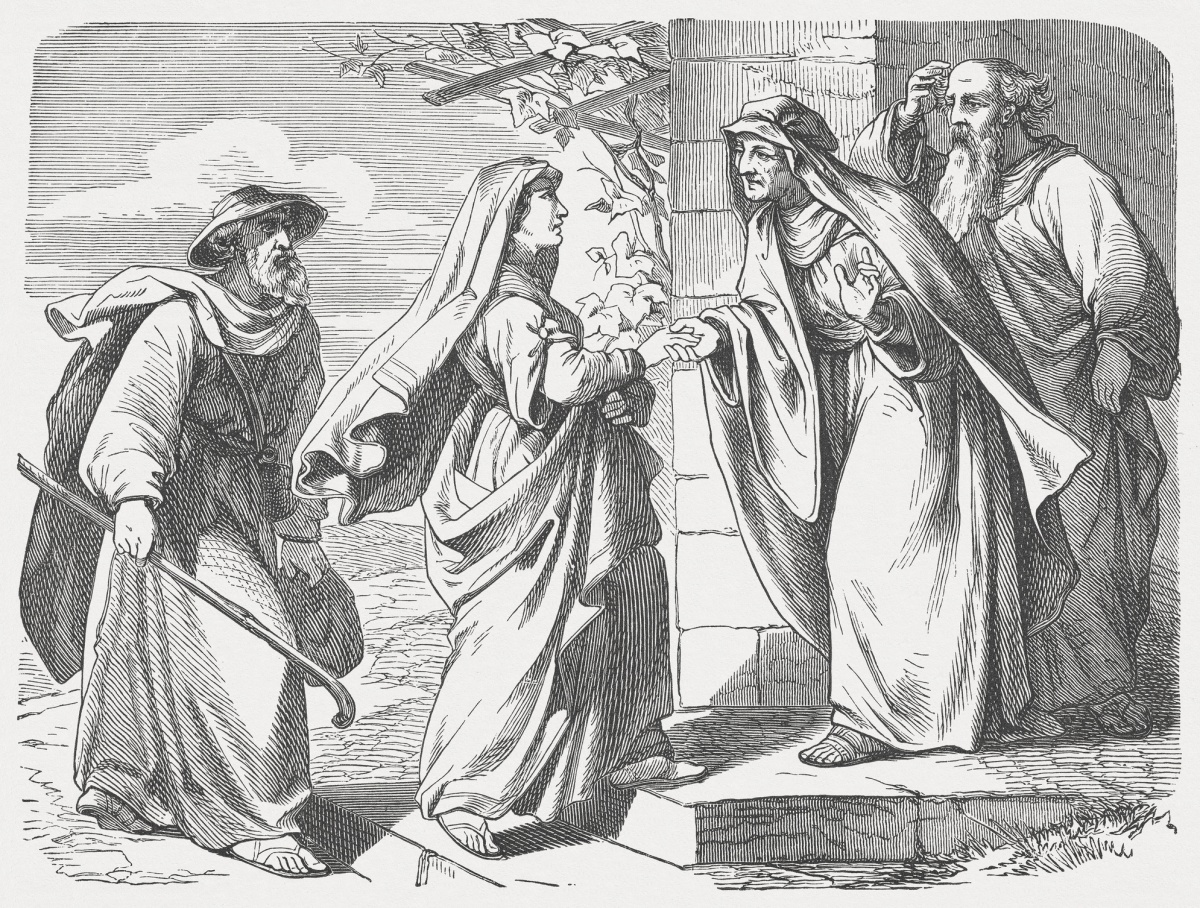
We see God’s faithfulness expressed in the two great canticles in Luke’s first chapter: the Canticle of Mary and the Canticle of Zechariah. Mary, pregnant with Jesus, sings with great joy after being greeted by her pregnant cousin, Elizabeth, “My soul proclaims the greatness of the Lord, my spirit rejoices in God my savior…He has come to the help of his servant Israel for he has remembered his promise of mercy, the promise he made to our fathers, to Abraham and his children for ever” (Lk. 1: 46-47, 54-55).
Zechariah, the father of John the Baptist, sings these words when his newborn son is presented on the eighth day in the Temple for circumcision: “Blessed be the Lord, the God of Israel, for he has come to his people to set them free. He has raised up for us a mighty savior, born of the house of his servant David…He promised to show mercy to our fathers and to remember his holy covenant. This is the oath he swore to our father Abraham: to set us free from the hands of our enemies, free to worship him without fear, holy and righteous in his sight all the days of our life” (Lk, 1: 68-69, 72-75).

Jesus is the culmination of God’s promise of faithfulness toward us. Because love in its fullest, perfect sense, is an act of self-giving, an emptying of the self for the good of the other, Jesus, in his death on the cross, is the perfect fulfillment of God’s love and faithfulness to us. We see this self-giving love powerfully stated in Paul’s Letter to the Philippians. “He emptied himself, taking the form of a slave, coming in human likeness; and found human in appearance, he humbled himself, becoming obedient to death, even death on a cross.” In doing so, Jesus is the fulfillment of the ancient promise given to Adam and Eve, and to Abraham. He is the Messiah promised through his prophets from the beginning. He is the living Word who, despite our continuing unfaithfulness to this day, has set us free from our greatest enemies, sin and death.
This is why we have reason to hope. We have proof of God’s perfect love and faithfulness toward us. We need only to look at the cross. Those who believe have a duty, then, to live and to love in the same fashion as Jesus modelled to us, by freely and willingly choosing to love God and our neighbor with the same kind of self-giving love, even if it may bring the suffering of the cross to us for doing so in a world that still does not understand and even rejects that love. When Jesus commanded us to love as he loved, he was expressing his faith in us. He would not ask such a price of us if he did not have faith in our ability to do so. This is how we cooperate in his redeeming grace.

Let us, then, trust in God’s faithfulness and love, and continue to learn how to live it more openly and joyfully in our daily lives.
More to Explore
SKM: below-content placeholderWhizzco for FHB