

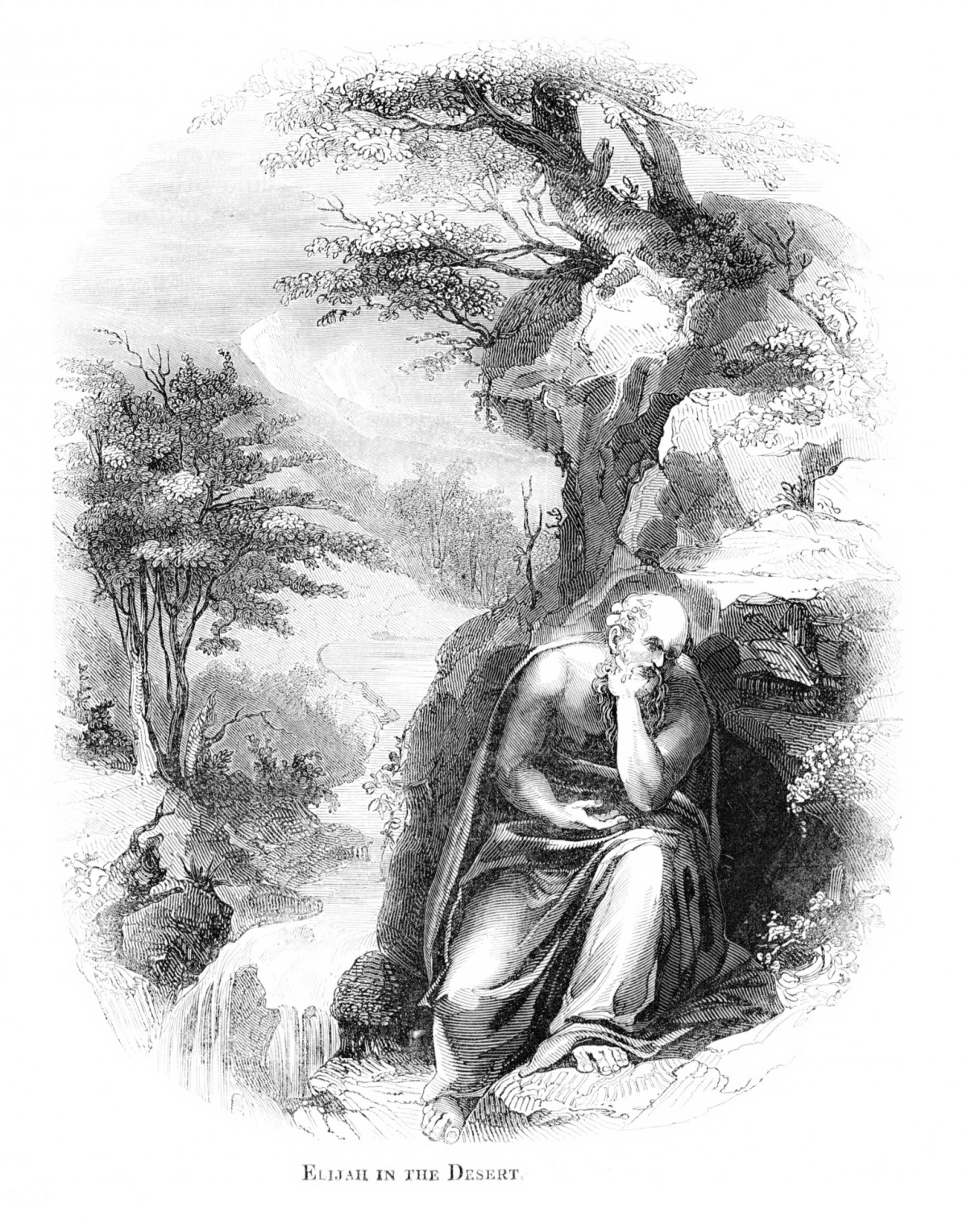
In this passage from the First Book of Kings, we see the prophet, Elijah, hiding in a cave on Mt. Horeb. He is being pursued by the Israelites, who have fallen away from God. He feels desperately alone, as he is the only one who has remained faithful to the Lord. What stands out in this story is Elijah’s experience of the Lord’s presence. God’s presence is not in the powerful, rending wind that passes by the mouth of the cave, crushing the rocks of the mountain, nor is He present in the shaking and shattering force of an earthquake, nor in the charring rage of fire, rather, Elijah experiences the presence of the Lord in a “light, silent sound”, like the whisper of a passing breeze (1 Kings 19: 12).
God often makes himself known to us in the depths of real stillness and quietness. This is the natural environment for prayer. This is why Jesus tells us, “When you pray, go into your room and shut the door and pray to your Father who is in secret and your Father who sees in secret will reward you” (Mt. 6:6). Like Elijah, we have much in our daily lives that causes us great concern and worry. The world around us is full of noise and distractions, and these have a way of cluttering up our minds and hearts to the point that we cannot hear God speaking to and with us.
We are often rattled by uncertainty, bothered by the raking, angry tones of unfair accusations, unnerved by unjust assessments of ourselves, especially for practicing our faith openly in a world that is all too much like the world that Elijah found himself in in his own day. This is why it is so important for us to learn the practice of meaningful, purposeful prayer in our lives. This is why it is important to make a daily habit of “going into our room, shutting the door”, to listen patiently and attentively for that whispering presence of God that waits for us at all times, in all places.

Silence is the language of God, of all things that are holy and sure. It takes more than mere casual listening to hear the Word of God. The ‘practice’ of prayer is hard work, a real skill, and it is a necessity for nurturing and growing our relationship with the Lord. We must learn the art of stilling the often chaotic, swirling vortex of thoughts in our minds and the anxious thrumming of our hearts, not just so that we can hear God, but so that we can sink into the deep well of meaning that is the core of our personal relationship with God.
Just like Elijah’s world, our world is full of chaos and even real danger. This is why, like Elijah, we must learn to take ourselves apart, to be still. And we must learn the difficult virtue of waiting patiently for God. Why? Because God rarely works in and through the shock and awe of great, dramatic events. God’s love for us is intimate and personal; He wants to sit with us, to converse with us in that intimacy that can only be found in solitary silence. We need to learn to be quiet within, to be fully awake and wholly attentive, so that we can hear God’s constant and faithful whisper of love and care for us.
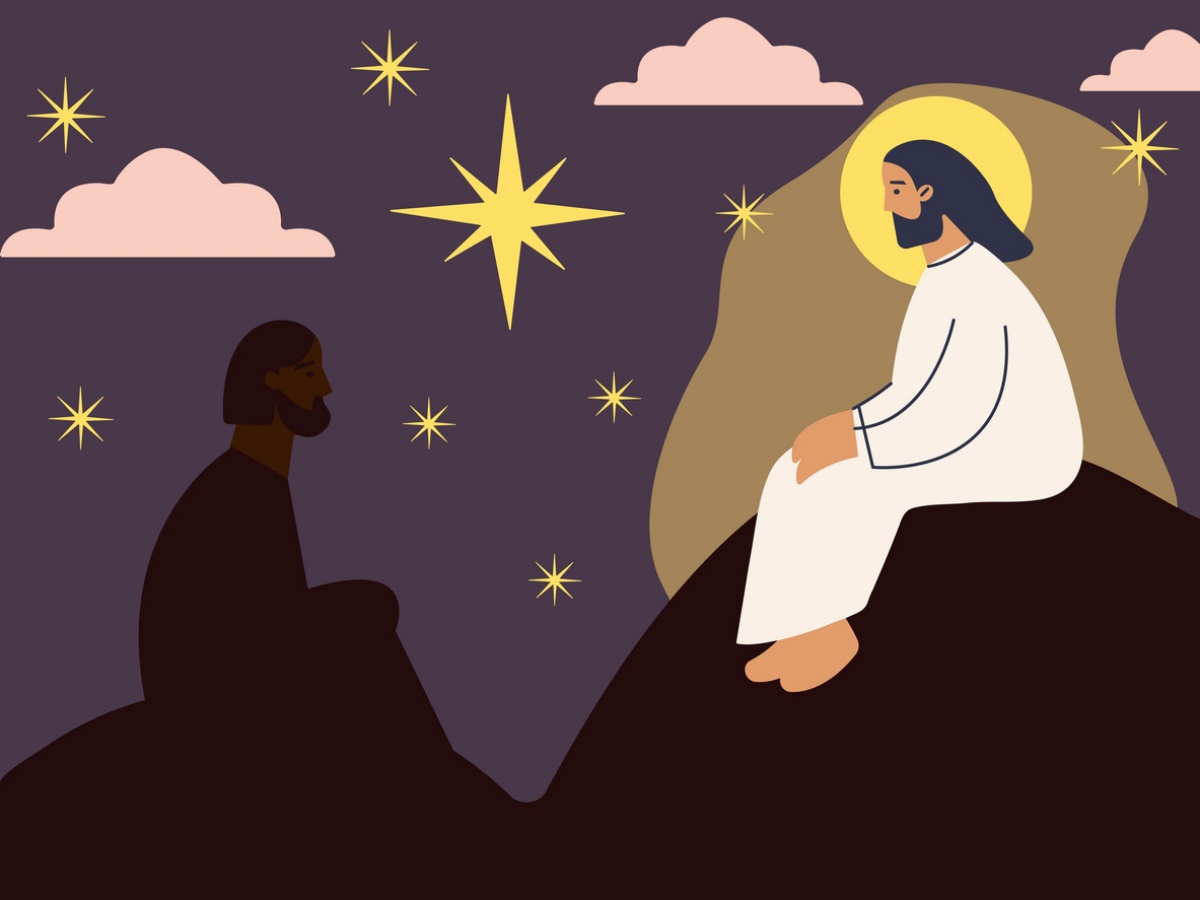
God is infinitely and eternally patient with us. He knows how to wait. It is we who must learn that art. It is we who must learn how to let go of our own finite and often faulty desires and let God do what is really right and good and true for us. He knows better than we. Trust. Have faith. Look not for Him in the great events, but in the “light, silent sounds.” All is well, and all will be well when we learn to put our trust in Him.
More to Explore
SKM: below-content placeholderWhizzco for FHB