
Jesus changed everything. Most importantly, he changed the way that we understand ourselves and our ultimate meaning and purpose. When the Son of God took on human flesh, he did not diminish his divinity; rather, he lifted our humanity toward the divine once again. By entering into our humanity, he revealed the true nature of the Father to us, and he showed us, in word and deed, what we are all called to live like in this world. He also chose to continue the work of salvation through human beings. Let us focus our attention on two men, chosen by Jesus personally; one a simple fisherman, and the other a Pharisee and scholar of the Mosaic law and a persecutor of the church: Peter and Paul.
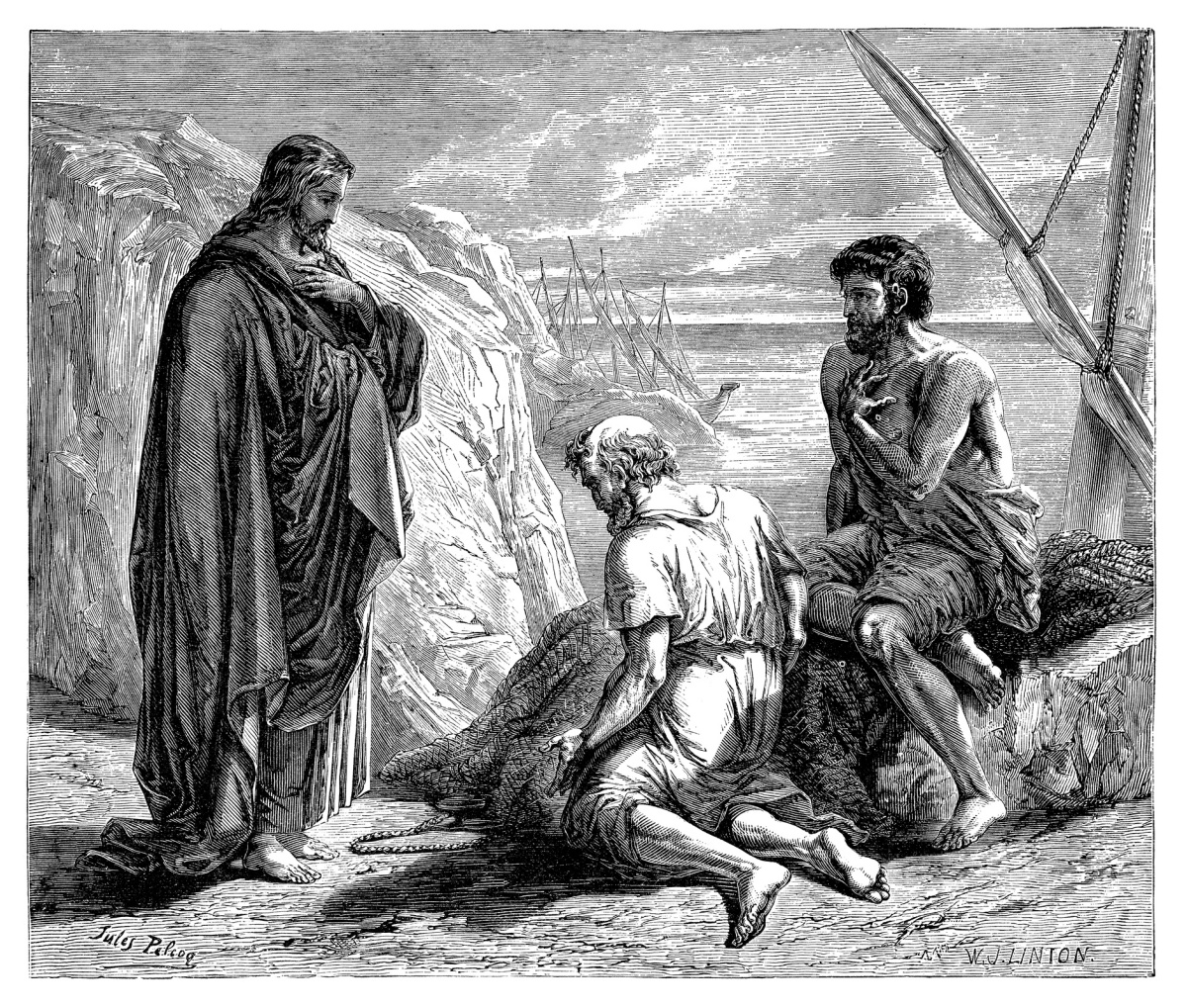
Peter, in many ways, is very dear to us. He is so familiar. We recognize in him the mercurial, sometimes chaotic nature of our own humanity. We see ourselves. We see in Peter how we can sometimes be deeply passionate and courageous in our faith in Jesus saying, like Peter, “You are the Christ, the Son of the living God” (Mk. 8:29), and at other times, how we can be stricken with timidity and even be moved to deny him out of fear of being publicly ‘found out’ as ‘a follower of Jesus Christ’ and, therefore, make ourselves susceptible to recrimination, ridicule, rejection, and even persecution.
Yet Jesus loves Peter in all of his complex humanness, and chooses him to take on the inconceivable responsibility of leading his church. “Blessed are you, Simon, son of Jonah, for flesh and blood has not revealed this to you, but my heavenly Father. And so I say to you, you are Peter, and upon this rock I will build my church, and the gates of hell shall not prevail against it. I will give you the keys to the kingdom of heaven. Whatever you bind on earth will be bound in heaven; and whatever you loose on earth will be loosed in heaven” (Mt. 16:17-19). Jesus made this simple fisherman the leader of his apostles and of his church, which would change the world forever.
Paul, on the other hand, was an educated man, a man of real importance in the Jewish community, especially among the respected and honored class of the Pharisees. It could be said of him that he was the most Pharisaic of the Pharisees and the most legalistic of the Mosaic lawyers. He was passionate in his faith, fierce in his efforts to destroy the rising “threat of heresy” that he thought he saw in the followers of this Jesus. He did not just speak out against them, but was deeply involved in their persecutions. We see this in the passage in the Acts of the Apostles when we see that those who were about to stone Stephen to death, “laid down their garments at the feet of a young man named Saul” (Acts 7:58).
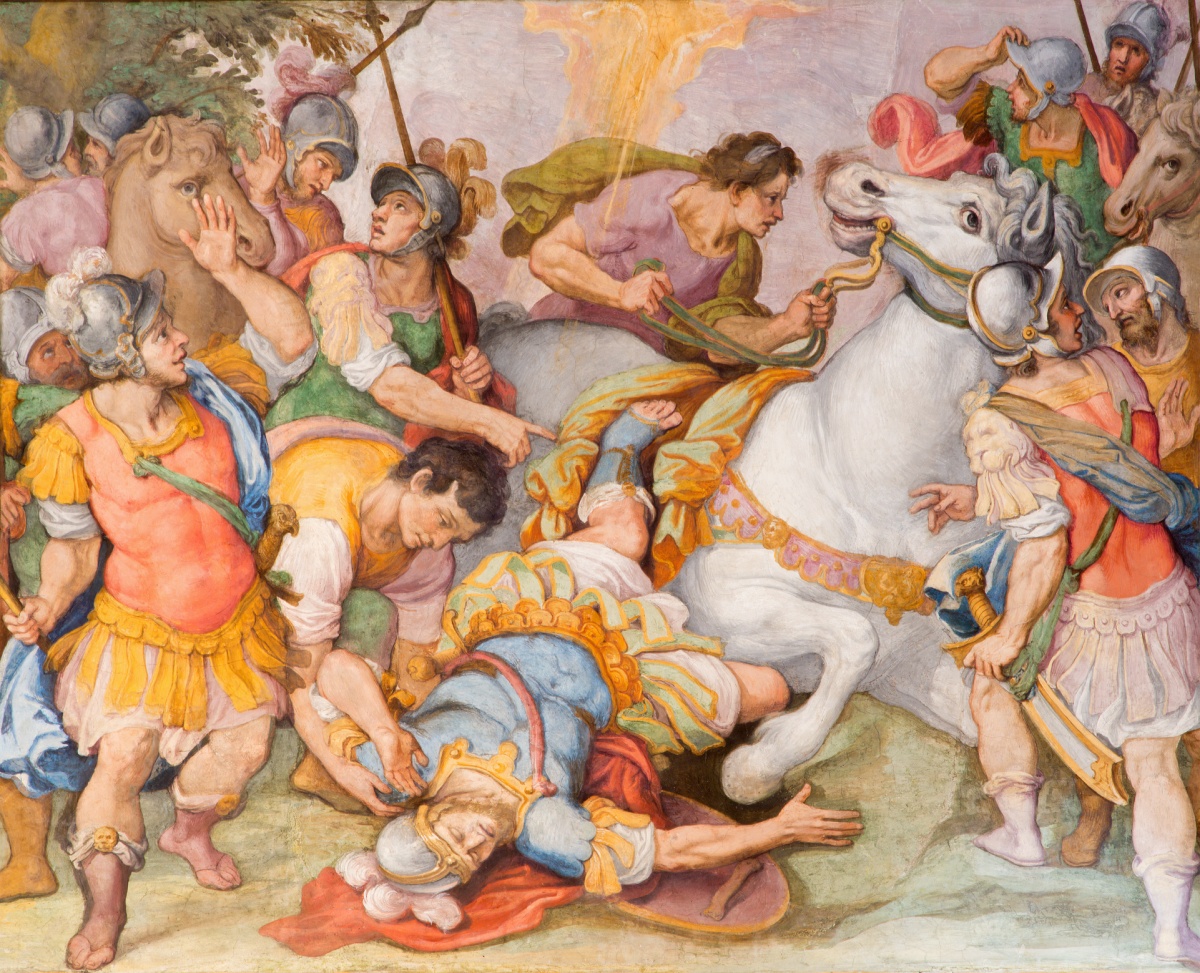
Much to Saul’s great surprise indeed, Jesus appeared to him. But Jesus did not appear to Saul to strike him down in retribution for what he had done; rather, to turn his whole life around, to make him the great apostle to the Gentiles. Long after his conversion, Saul, now Paul, says of the experience, “Last of all, as to one born abnormally, he appeared to me. For I am the least of the apostles, not fit to be called an apostle, because I persecuted the church of God” (Acts 15:8-9). Jesus took this fierce persecutor of the church and made him an unlikely messenger of peace, the peace that only God can bring. God forgave Paul of all of his sins, and placed him in a ministry to forgive the sins of others. Paul preached the truth that Christ alone can save us. By Paul’s example, we see that we must open ourselves completely to the saving power of Jesus. When we do, he will use us, just as he used Paul, to open others’ hearts and minds to that same saving power.

God calls us to be like Peter and Paul. We are called by God to be the builders, the unifiers, the generous servants of Jesus’ church in our own difficult, broken, divided days. We are the ones that Jesus is asking to be preachers of his truth and examples of his charity to the lost, the embittered, the frightened today, in our own homes, in our own neighborhoods, and in our nation. Where there is hatred, we are to be peacemakers and examples of love. Where there is injury, we are to be models of healing and forgiveness. Where doubt is prevalent, we are to be signs of hope. Where there is darkness of any kind, we are to be the light that pushes back the darkness. We are to bring joy to those who are sad and lonely. If he can use a simple fisherman and a former persecutor of the church to build and preach his Gospel, he can use us too. Thanks be to God!
More to Explore
SKM: below-content placeholderWhizzco for FHB