

This parable of the weeds and the wheat in Matthew’s Gospel captures the reality of our own lives, the ambiguities of our own hearts. The word that Jesus uses here for the ‘weed’ that has been sown among the wheat when the farmer is sleeping is a particular weed called darnel. It is also called ‘false wheat’. It is particularly poisonous to human beings. It is easily taken for true wheat until the ear or the fruit appears. It is a perfect metaphor for our own struggles of finding our way to the truth amidst all of the conflicting modes and methods of communication today.
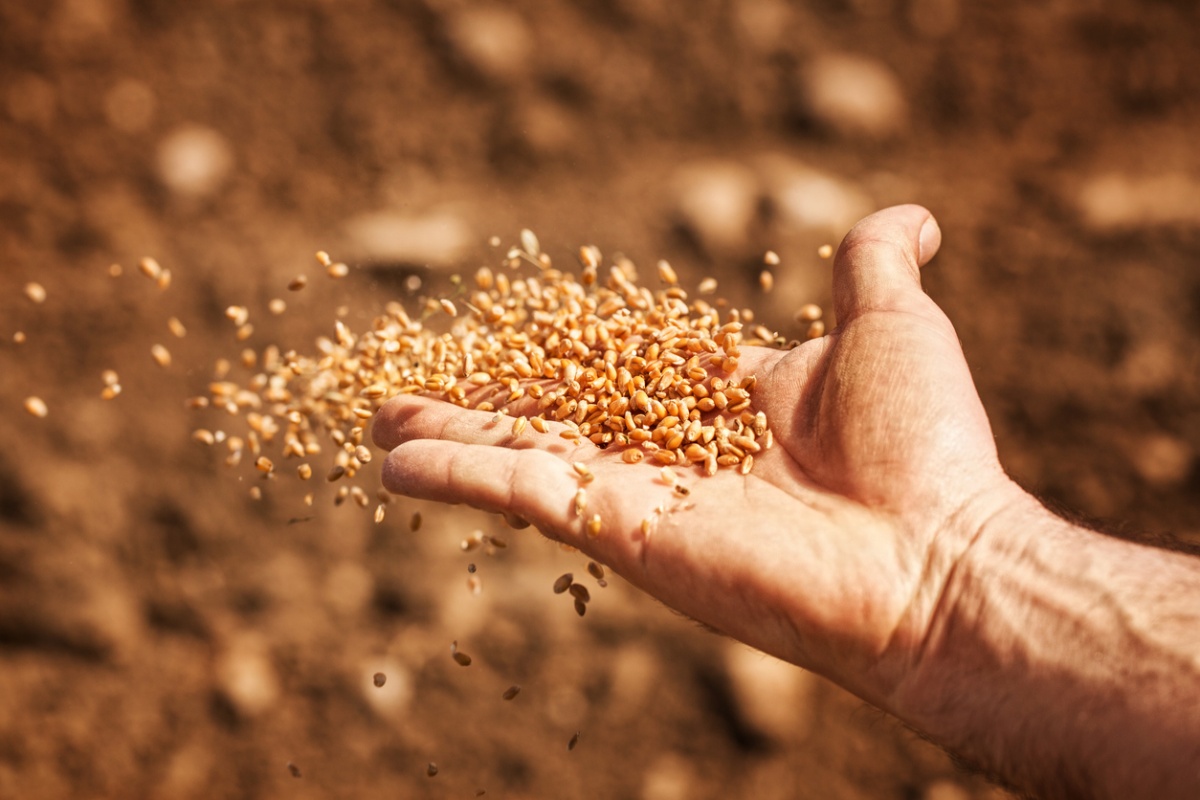
Good and evil are present in the world; there is no denying it. The writer Alexander Solzhenitsyn remarks that the line between good and evil runs straight through the middle of every human heart. We know that this is so, precisely because we have a conscience that accuses us whenever we consider, or do something wrong, or that defends us when we choose to avoid evil and to do good. Patience is what Jesus counsels in this parable. He says: “The kingdom of heaven is like a man who sowed good seed in his field, but while everyone was sleeping, his enemy came and sowed weeds among the wheat, and went away. When the wheat sprouted and formed heads, then the weeds also appeared” (Mt. 13:24-26).
When the servants ask the sower if he wants them to pull the weeds up, and the sower tells them not to, to wait until harvest time when the heads will let them know which is weed and which is wheat. Then they can tie up the weeds into bundles and burn them, and the wheat can be gathered and brought into the barn. So it is with us. We must be patient. We often must wait, look carefully at the given circumstances of an issue, to discern the truth or falsehood of both persons and ideas. Evil competes with the good. As a result, evil does anything it can to “appear” to be good. Its tools are confusion, deception, pretense, disguise, and the lie. These tools have become more present and effective in this Social Media age, where the sources of information are countless and unregulated. Truth is the first casualty of all of this, so it has become harder and harder to discern the difference between the weeds of lies and the wheat of truth.
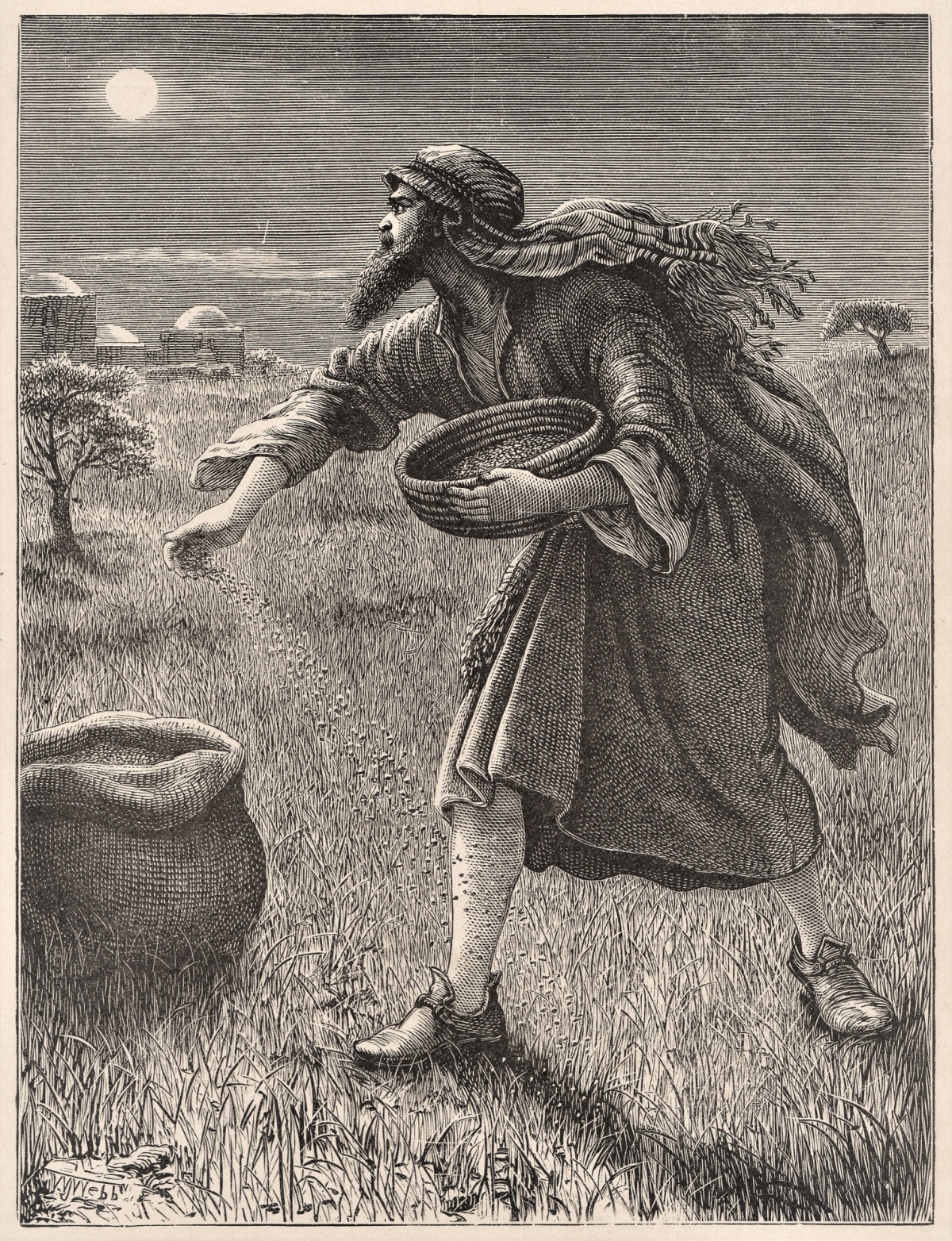
In faith, we can take some comfort and courage. The Psalmist tells us, “Do not fret because of the wicked, do not envy those who do evil: for they wither like grass and fade like the green fields. If you trust in the Lord and do good, then you will live in the land and be secure. If you find your delight in the Lord, he will grant your heart’s desire. Be still before the Lord and wait in patience; do not fret at the man who prospers; a man who makes evil plots to bring down the needy and the poor. Calm your anger and forget your rage; do not fret, it only leads to evil. For those who do evil shall perish; the patient shall inherit the land” (Ps.37:1-4,7-9). There has never been a time that needed more patience in the effort to discern the truth than today.
A well-formed conscience is absolutely critical in this effort to find the wheat of truth among the weeds of falsehood and lies. We live in a time that promotes feelings over reason, immediate gratification over self-control. God gifts us with both reason and feelings. Let me use a sailing metaphor here. What moves a sailboat? Wind in the sails, of course. But what guides it? The rudder. Feelings are like the wind. They have great force, but they are fickle, or frenzied, sometimes out of control. Reason is the rudder. Without it, the boat of our lives will go hither and yon without guidance, without control. Feelings, like the wind, can be a force for good or for evil. With the rudder of a well-formed conscience, our feelings can be channeled, managed, so that the boat of our lives can be guided to the right ports. Don’t get me wrong here; reason, when it is purposefully misused, can be even more dangerous.

As Christians, we have the gift of scripture, both Testaments, the life and words of Jesus Christ to study, to contemplate, and to practice in our daily lives. It is the perfect guide to a life well lived. Study it, reflect on it and its applications in all situations, pray constantly, keep the sabbath, make Jesus your North Star, your guiding light. This, too, requires much patience. Nothing is easy. But all good things are worthy of the work and, yes, even the suffering that is required to achieve them. There is only one port worthy of our pursuit as human beings made in the image and likeness of the Creator: the kingdom of heaven. Pray, study, reflect, trust in God, and be patient. All will be well.
More to Explore
SKM: below-content placeholderWhizzco for FHB