

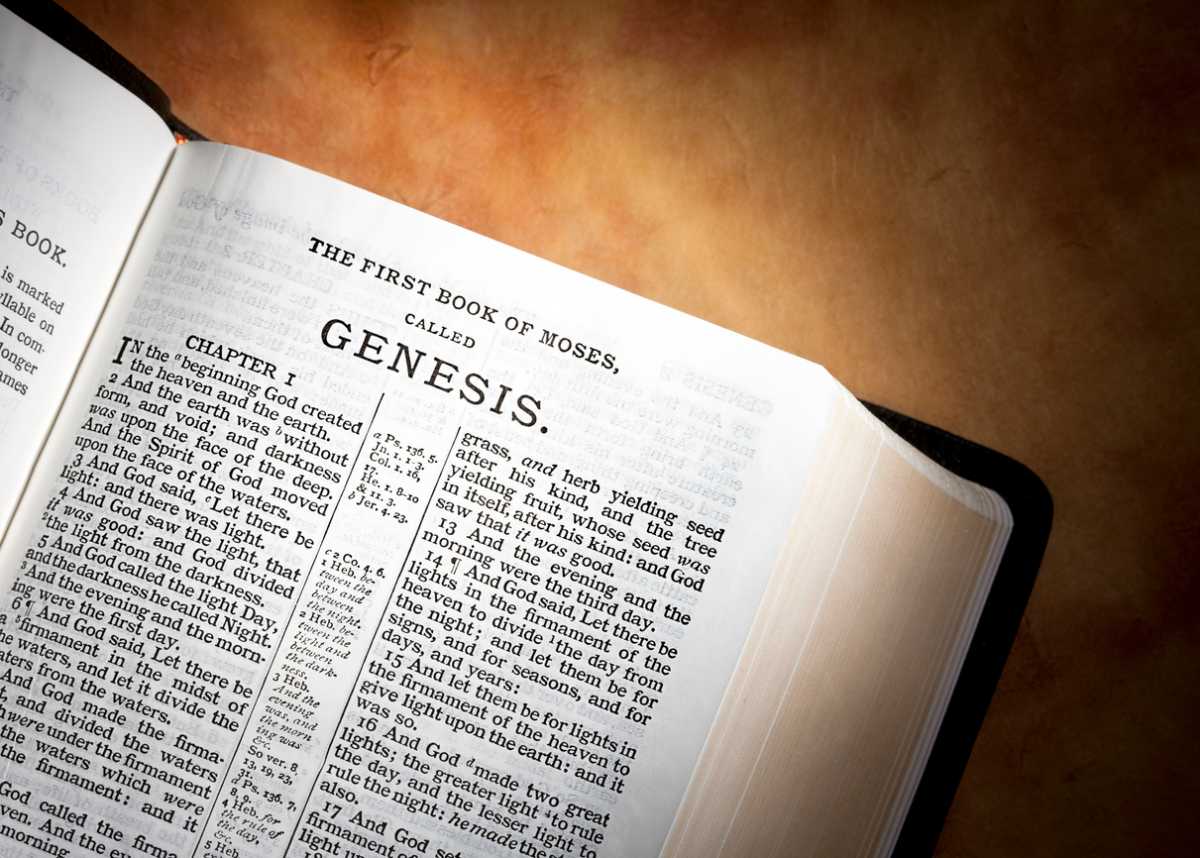
The Bible begins with two accounts of the Creation in Genesis 1 and 2 . One begins with the creation of the heavens enveloped in darkness: “Then God said, ‘Let there be light and there was light’ (Gen. 1:3). It then goes on to describe the gradual creation of all of the rest of Creation over six days, ending with God resting when it is done. This is the account that most Christians think of when they think about the Creation story.
In Genesis 2, we read that in the day that the Lord made the earth and the heavens, but before there were any plants, before He had caused rain to fall on the land, and before there was any one to till the land, God formed man from the dust of the ground, and breathed into his nostrils the breath of life; “and the man became a living being” (Gen. 2:7). Shortly thereafter we read that God recognizes that “It is not good that the man should be alone: I will make him a partner” (Gen. 2:18). God then created all the animals and birds and brought them to the man who gave each their name, but there was still not a suitable partner for the man. We know the story of how God then made a woman out of one of the man’s ribs, and when she is brought before the man, he says of her: “This at last is bone of my bones and flesh of my flesh” (vs. 21-23).
It is in Genesis 3 that we encounter The Fall of Adam and Eve. We know the details, the beauty, the freedom, and the innocence of their lives in the Garden of Eden. And we know of the serpent’s temptation concerning the one and only ‘law’, ‘commandment’, that the Lord had given them concerning the tree in the middle of the garden: that if they ate of it or touched it, they would die. We remember the serpent tempting Eve, saying, “You will not die; for God knows that when you eat of it your eyes will be opened and you will be like God, knowing good and evil” (vs. 4-5). And we know what happens. It’s a familiar story to us. But one line in this account is often skipped over. It is, in fact, the first prophecy given in the Bible, a prophecy unlike any other, and to which every other story in the Bible is directly related.

The Lord makes this prophecy even before he declares the punishments for Adam and Eve for breaking faith with God, by disregarding the only law they had been given. This prophecy reveals everything we need to know about God and his loving concern for us. He promises to all of humanity that while suffering and death are our condition now because of our continuing willfulness and rebellion, it is not the end of the story. This prophecy is the reason for our hope, the impetus for our faith. When the punishment scene begins, God addresses this first prophecy of the Bible directly to the serpent, saying: “I will put enmity between you and the woman, and between your offspring and hers; he will strike your head, and you will strike his heel” (Gen. 3:15).
Most of us, even those of us who are steeped in the Bible, often miss some of the details here. This prophecy is different from any other in the Bible, or in Jewish tradition, because it traces the lineage of salvation through the woman, not the man. Throughout the Bible, genealogical lineage is always traced through the male line. Why, then, word the prophecy in this way? The Holy Spirit-inspired prophecy promises two things: the futile and fruitless end that would be Satan’s ultimate destiny, and to the fallen, forlorn Eve, that salvation would come through her ‘offspring’. We know that that prophesied and promised ‘offspring’, Jesus, entered the world through a woman, Mary, and that, in his humanity, just like the rest of us, he suffered the ‘serpent’s sting’ at his heel of suffering and death, but that he rose again to ‘crush Satan’s head’, to destroy Satan’s ‘offspring’ of sin and death, forever. Paradise Lost became Paradise Regained.
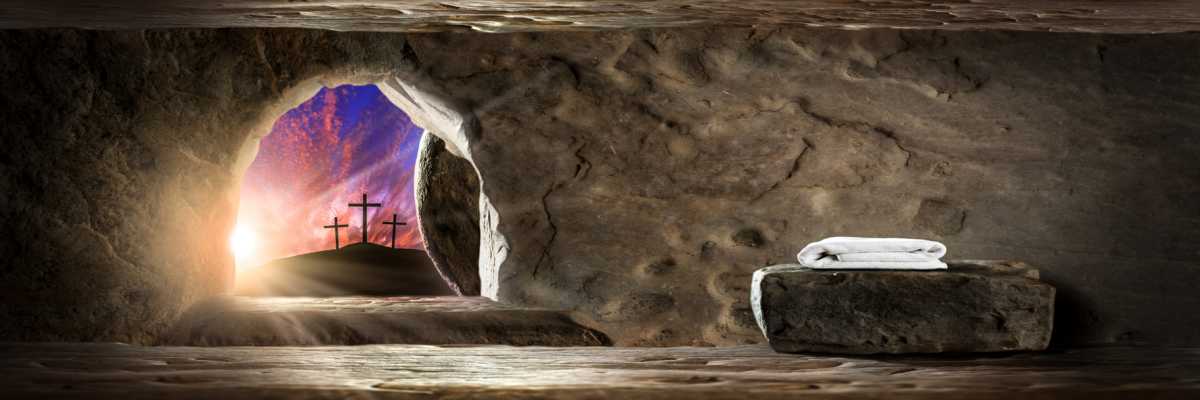
The Genesis story reveals both our nature and the nature of our Creator with powerful, poetic grace and clarity. As for our nature, G.K. Chesterton once argued that Original Sin is the only part of Christian theology that can be proven empirically by simply observing the real world, because the evidence for it is everywhere. We are born with and into the consequences of Original Sin. Our baptism washes away the stain of Original Sin, but we continue to rebel from God in small and great ways through our own personal sins. As for God’s nature, we who believe in Jesus Christ know and believe that our fallen nature is not a reason for despair, but for hope, for we know and believe in Jesus Christ. This first prophecy of the Bible in Genesis 3:15 was a promise, an unconditional, divinely perfect promise, that was perfectly fulfilled in the Person of Jesus Christ, through his life, his death on the cross, and his resurrection. And the unconditional love and mercy behind that promissory prophecy in Genesis is never diminished, not even by our sins.
Because we know that the prophecy given in Genesis 3:15 has been fulfilled in Jesus Christ, we too can rest and be comforted in the Holy Spirit-inspired words of the psalmist: “Be still, and know that I am God” (Ps. 46:10). What God promised has been fulfilled. Thanks be to God!
More to Explore
SKM: below-content placeholderWhizzco for FHB