

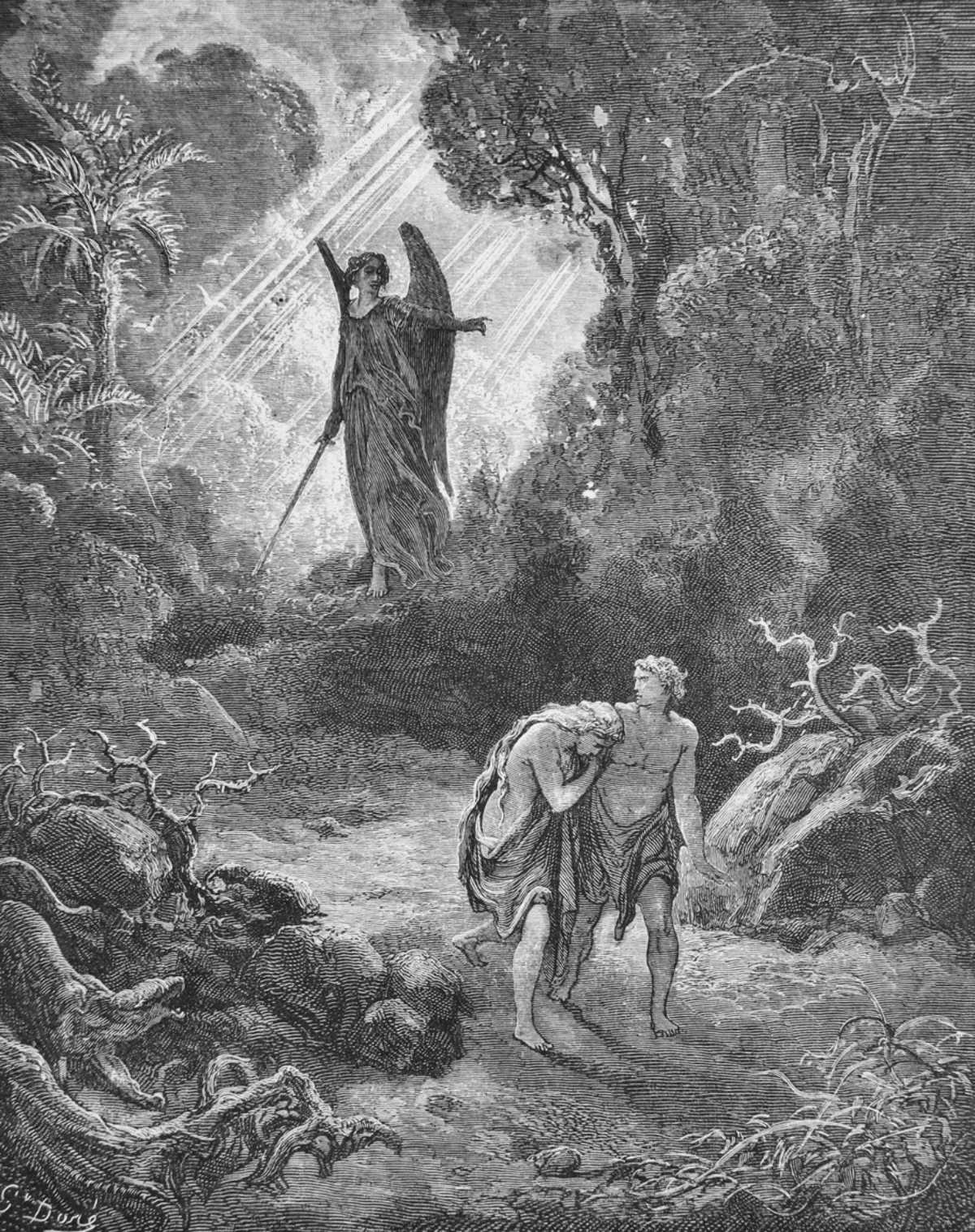
Pride is a subtle master. Under its sway, we can convince ourselves that we are in control of our lives, even the lives of others, that we determine our own destiny and are subject to nothing or no one else but ourselves. This is not new, of course. It is a temptation as old as Eden. It is the same deluded idea that Satan whispered into the ear, the mind, and the heart of Adam and Eve: “You will be like gods.”
The Medieval poet Geoffrey Chaucer defines pride in his Canterbury Tales through a sermon given by one of his pilgrim characters, the Parson. “Pride is shown in many forms: arrogance, impudence, boasting, hypocrisy, joy in having done harm. It may be inward or outward. Outward pride is like a tavern sign that shows there is wine in the cellar. It may show itself in too many clothes or too few, or in the carriage of the body…One can show sinful pride in retinue (entourage), in ostentatious hospitality, in one’s strength, in one’s gentility. The remedy for pride is humility, or true self-knowledge.” The sin of pride is the source of the deadly sins that mankind has engaged in since the beginning.
Pride loves the outward trappings of honor, to occupy the best seats in the house. It often demands even unwarranted respect from others, craves titles, privileges, honors, all of the outward marks of respect. The prideful demand a great deal of others but “do not practice what they preach”. They often “Tie up heavy burdens, hard to bear, and lay them on the shoulders of others; but they themselves are unwilling to lift a finger to remove them. They do all their deeds to be seen by others…” (Mt. 23: 2-5). This is called hypocrisy, and both God and man hate it. This hypocrisy is the offspring of the sin of pride and can be found at any level of society, yes, even in the Church. Jesus addresses the sin of hypocrisy in Matthew 23:1-12. The stubbornness of pride withdraws the heart, the mind, and the will from God. Because of its absolute focus on the self, it becomes a reservoir for sins of every kind.

Pride, for all of its vaunted boasting, merely blinds the proud to their own failings. It blinds them to the consequences of their own words and actions toward others. Rather, the proud will readily blame others as the cause of their own suffering, in order to separate themselves from those consequences. Sophocles, the ancient Greek playwright, understood this very well. In his plays, pride caused the fall of all of his “tragic heroes.” His main characters, like Oedipus, were always of noble rank and heroic, but they were blinded by unrecognized pride. Because of this blindness, they acted and made decisions that brought devastating harm to their families and to their country. They end up destroying themselves and everything and everyone around them, even those they love. Sophocles and the other tragic playwrights understood that pride goes before the fall. Or as it is put in scripture: “Before his downfall a man’s heart is haughty, but humility goes before honors” (Prv. 18:12).
As Chaucer’s Parson pointed out, the remedy for the sin of pride is the virtue of humility. Jesus recommends a remedy in this passage from Matthew’s Gospel: be satisfied with doing your work on behalf of God’s kingdom, whatever it is and wherever you are. If you want to be great, serve others; consider others before yourself; do this without expecting anything in return. Seek not recognition, but only to do God’s will. “All who exalt themselves will be humbled, and all who humble themselves will be exalted” (v. 12).

Pride was the first sin, the Original Sin. It remains the source of all manner of sins in every age and place. Pride and its offspring came into the world through a man, Adam. The remedy for all of the sins of mankind also came into the world through a man, Jesus Christ, who is the fullness of humility. As Paul tells us of Jesus in his letter to the Philippians: “Who, though he was in the form of God, did not regard equality with God as something to be exploited, but emptied himself, taking the form of a slave, being born in human likeness. And being found in human form, he humbled himself and became obedient to the point of death, even death on a cross.” (Phil. 2:6-9). Through Adam’s pride, humanity fell from the grace of our Original Innocence. Through Jesus’ humble obedience to the Father, the gate to Eden was opened once again to all who humbly and willingly choose to follow his way, his truth, and his life.
Jesus, you did not cling to divinity, but out of unconditional love for us, you willingly and humbly took on our humanity to set us free: We pray that you help us to let go of any desire for power and prestige. Free us from any disdain for works of service to those in need in our homes, in society, and in the world. Deliver us from the false idea of self-sufficiency, and the pridefully blind delusion that we are the sole interpreters, the only arbiters of what is good and true, right and wrong. We pray these things in your name, Jesus. Amen.
More to Explore
SKM: below-content placeholderWhizzco for FHB