
In this passage at the end of chapter 9 in Luke’s Gospel, we see and hear some of Jesus’ most seemingly enigmatic statements. They come hard and fast in these few lines, and they seem almost like throwaway lines, but they represent some of the most challenging thoughts directed at those who, in all sincerity and desire, want to be followers of Christ. We want to believe and follow Jesus, but our experience tells us that it is not all that easy. Life presents many real challenges that distract us and take our attention away from him. Our greatest challenge in this reality is to practice the words and ways of Jesus in all we think, say, and do. This is the central message of this short passage.

In this passage we see Jesus and his disciples walking along the way from town to town, village to village, and we encounter three ‘voices’ expressing familiar ideas and concerns to which Jesus responds with what seem to be strange remarks. First we hear someone in the group say to Jesus, “I will follow you wherever you go” (v. 57). We are not told who says this. That might be because this feeling, and the two other anonymous statements in this passage, express very familiar ideas to all of us. Jesus, after all, knows us and our weaknesses. We can hear the excitement and earnestness in this unnamed person’s statement; indeed, it sounds very much like something we might have said to Jesus ourselves in one of those moments of feeling overwhelmed by a profound sense of awe and love for him. But then what we call ‘reality’ sweeps over us and those feelings get lost in the fog of our seemingly ever-present duties and concerns.
Jesus’ enigmatic response seems strange: “Foxes have dens and birds of the sky have nests, but the Son of Man has nowhere to rest his head” (v. 58). We tend to want to know where we are going, to see that what we are doing or saying has the results that we desire. But Jesus is telling us that following him in his way, his truth, and his life may take us to places and situations that we could not have known or expected. He is telling us to let go of desires and expectations that are related to the future. Rather, we are to give ourselves completely, be fully present in the moment, wherever we find ourselves, serve the person or persons we are with in that moment, and to do so without expecting anything in return.
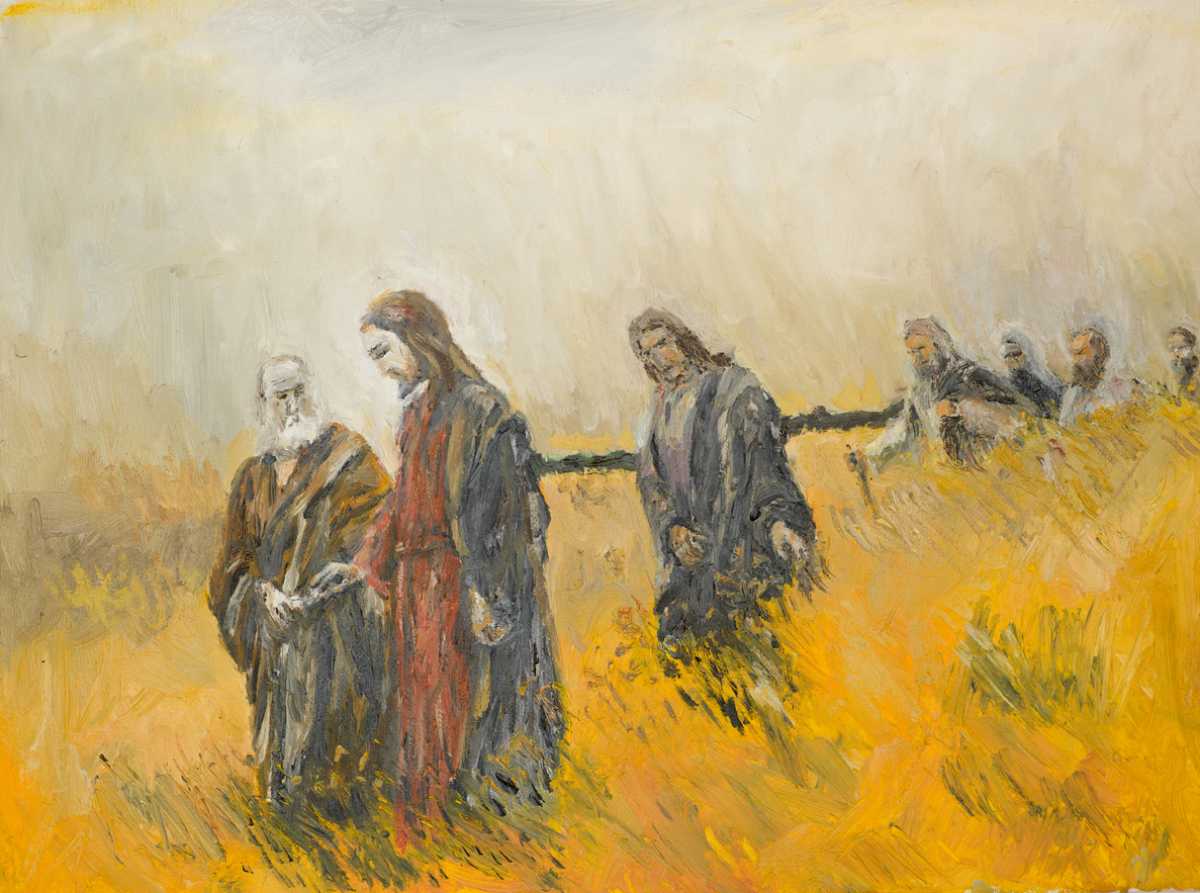
Jesus says to another unnamed follower: “Follow me.” The person replies: “Lord, let me go first and bury my father.” To which Jesus responds: “Let the dead bury the dead. But you, go and proclaim the Kingdom of God” (vs. 59-60). The person’s response to Jesus’ call seems reasonable to us. After all, we have important family duties, even required. Jesus is not commanding us to violate the fourth commandment here. When Jesus says, ‘Follow me”, we are to understand that discipleship is a radical call to place the immediate, absolute demands of our divine mission as followers of Jesus above even the most sacred natural family duties. We are also to understand how Jesus is using the term ‘dead’ here. He is not referring to those who have died physically; He is implying those who are spiritually dead, indifferent to God, bound by worldly things. Let them bury their ‘dead’. He is also warning us against making excuses like these to explain away our failures to do God’s work in the moment.
Yet another anonymous voice says to Jesus, “I will follow you, Lord, but first let me say farewell to my family at home” (v. 61). To which Jesus replies: “No one who sets his hand to the plow and looks to what was left behind is fit for the Kingdom of God” (v. 62). Jesus is teaching us here that any hesitation or any longing for past attachments of any kind makes a person unfit for the demands of discipleship. Our love for Jesus and our desire to follow him and to serve him takes precedence over even our good and natural ties and such things as family ‘farewells’. In looking back, we let earthly distractions or a divided heart compromise our commitment to Jesus. Just as the plowman has to always be looking forward in order to keep his rows evenly spaced, as followers of Jesus, we cannot look back at our past lives without potentially losing our direction.

It is clear, then, isn’t it, that following Jesus in this world is not easy; indeed, it takes a very great commitment on our part. It demands self-discipline, patient endurance, commitment, and great courage to live and to love as Jesus did in this broken and often challenging world. It demands humble openness to God’s grace, and a willingness to “suffer the slings and arrows of outrageous fortune” (Hamlet), in other words, to be able to endure the painful, unexpected, and sometimes violent blows that can come to those who follow Christ in this world.
Lord, help us keep our eyes firmly set on you so that we may never lose our way in our daily efforts to follow you in all things. We pray in Your most holy name, Jesus. Amen.
More to Explore
SKM: below-content placeholderWhizzco for FHB