

Jesus often uses metaphors of farming in his preaching and teaching. He often uses the metaphor of ‘seeds’, like in the parable of the mustard seed, or the parable of the sower or in this parable about the necessity of a seed to go into the ground and ‘die’ to bring forth its intended fruit. These would have been intimately understood in Jesus’ time as most people were still very deeply connected to the soil, to the farming of crops for food, grapes for wine, olives for oils and medicinal values, and to all elements of animal husbandry. These seed metaphors are still richly meaningful to us today as they are deeply rooted in the workings of the natural world, in the reality of life, its nourishment, its productivity, its risks, and ultimately the reality of death.
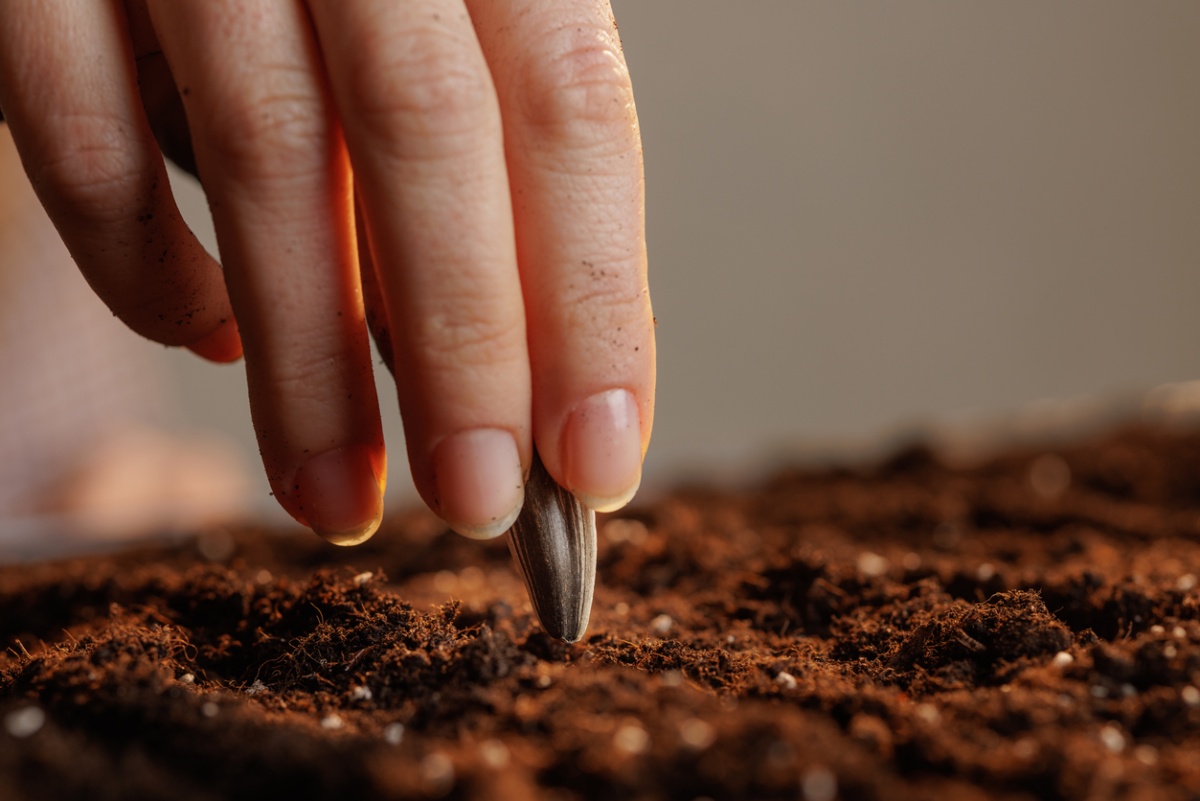
“Jesus said to his disciples: ‘ Amen, amen, I say to you, unless a grain of wheat falls to the ground and dies, it remains just a grain of wheat; but if it dies, it produces much fruit ‘” (v. 24). Even we city folk can get the picture here. We have all planted (buried) a seed in a pot, or in a small garden, and taken some sincere pleasure at watching and waiting to see the first green shoots rising up through the soil and maybe even harvesting and eating the fruits of our efforts. We may not think about it, but this parable of the seed focuses our attention in a surprising direction; it focuses us on the necessity of the ‘death’ of the seed, for it to become that something new, the fruit for which its nature is intended.
The purpose of a metaphor is to explain complex or abstract ideas by comparing them to familiar, concrete things. They help us to get a new perspective on sometimes difficult ideas or concepts. Jesus is telling the disciples here (and us) that to become true disciples, we, like the seed, must die to become this new thing that Jesus calls us to be: disciple. And he is using himself as an example. He is using this parable to explain to his disciples that his own death is going to be necessary to bring about the final ‘fruit’ of our salvation. He’s telling them (and us) that our own spiritual fruitfulness will require our dying to our selfish selves, our egoes. It will require our willing choices to follow Jesus’ sacrificial example of love daily, to attain eternal life. Just as Jesus, the seed, died and endured great suffering to redeem us, to bring about the fruit of our salvation, we too are called to this same kind of love in the midst of this broken and hurting world.
The second part of this passage says: “Whoever loves his life loses it, and whoever hates his life in this world will preserve it for eternal life” (v. 25) An early Church Father, St. Ephraim of Syria, wrote this: “If you give all your life to the earth, the earth will give you a tomb, but if you give you life to heaven, heaven will give you a throne.” This world is not our home, but we are called to live lives of great holiness here and now. Holiness, rightly understood, is the ability to willingly sacrifice, to endure suffering for the good of another individual, or for the common good of others. Holiness is the cure to our brokenness, not the qualification for eternal life. Holiness is the definition of a disciple, not the starting line. It takes a lifetime to be a disciple. In essence, it is learning to let go of our fleeting desires for the finite pleasures and material things of the world, so that we can focus and give our time, our talent, and our energy to the work of becoming fruitful followers of Jesus; in other words, the fruit that God made us to be.
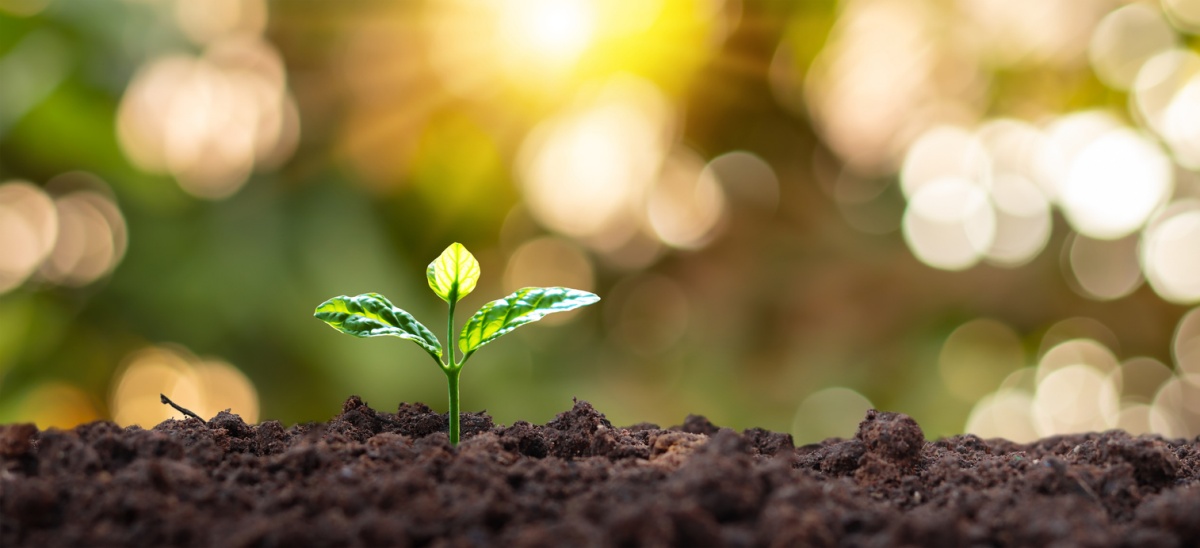
This passage from John’s Gospel ends with: “Whoever serves me must follow me, and where I am, there also will my servant be. The Father will honor whoever serves me” (v. 26). We are not made to be takers, nor are we made to be served, no matter how great our egos take us for in this life. We are called upon to be givers, of ourselves, and of what we have in terms of our time, our talents, and our material well-being. We may not have great intellect, or great wealth. That does not matter. What matters is our attitude toward God and our neighbors. When, in genuine service to others, we use our time, talent, and treasure for the good of an individual, or for the common good of our families, our neighbors, or the nation, we will be God’s good and faithful servants, and we are told that, “the Father will honor whoever serves” Jesus in this way. God calls on us to be joyful givers, and we are told that, “God loves a cheerful giver” (2 Cor. 9:7).
The saints over the two thousand years of Christian history have been great examples of this holiness, this capacity for joyfully giving themselves (dying to themselves) for the good of others, often at a very great price, even to the point of the ultimate sacrifice of their own lives in imitation of Christ. Let us let the example of Jesus, his Apostles and saints inspire us on how to be good, fruitful seeds in the garden of God’s kingdom here on earth. Like the seed in this parable, let us pray for the wisdom and the grace to be able to die to ourselves to become the good fruits God intended us to be.
More to Explore
SKM: below-content placeholderWhizzco for FHB