
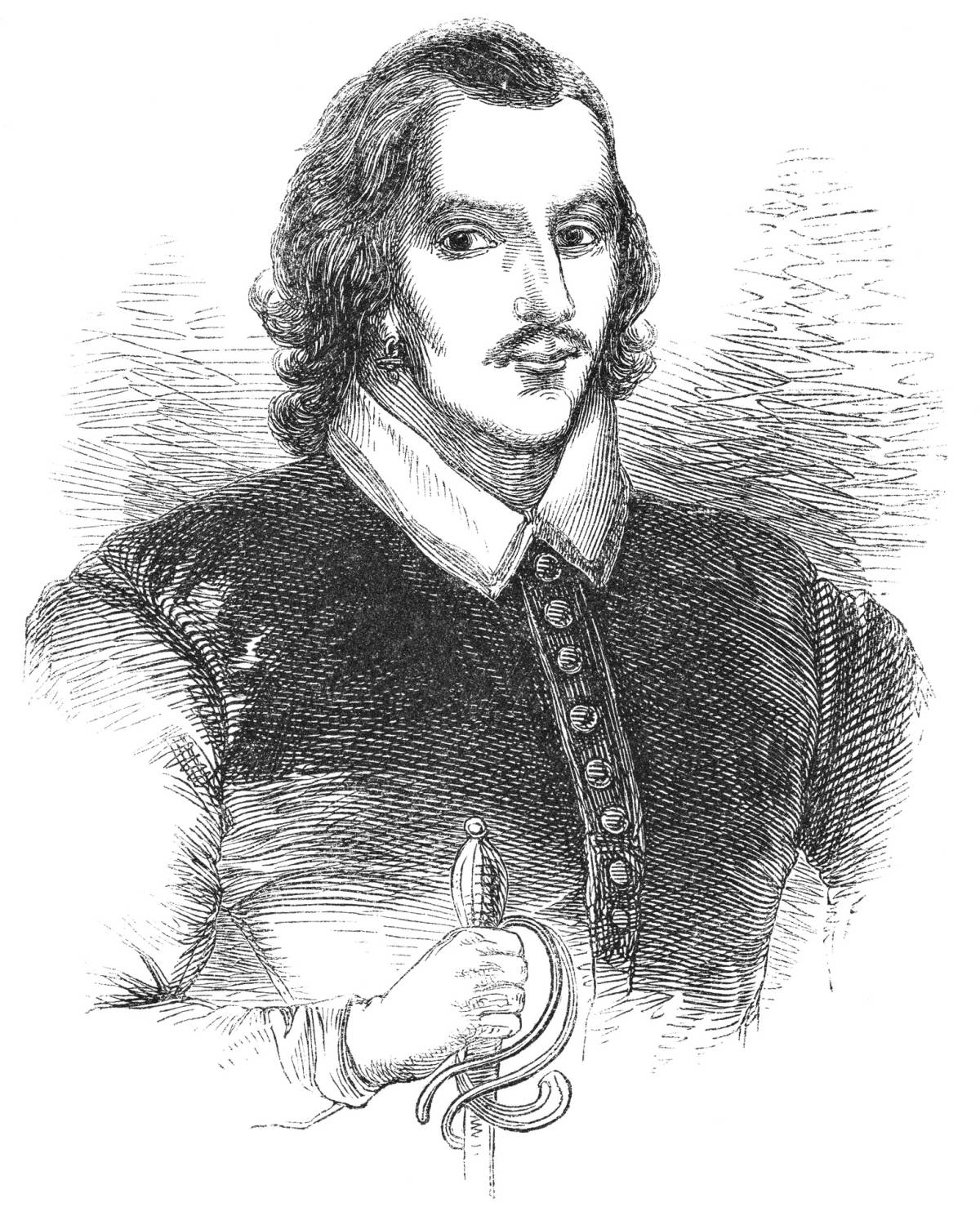
The English poet, John Donne, wrote a poem by this name in the early 1600s. It is one of his “Holy Sonnets.” It goes like this:
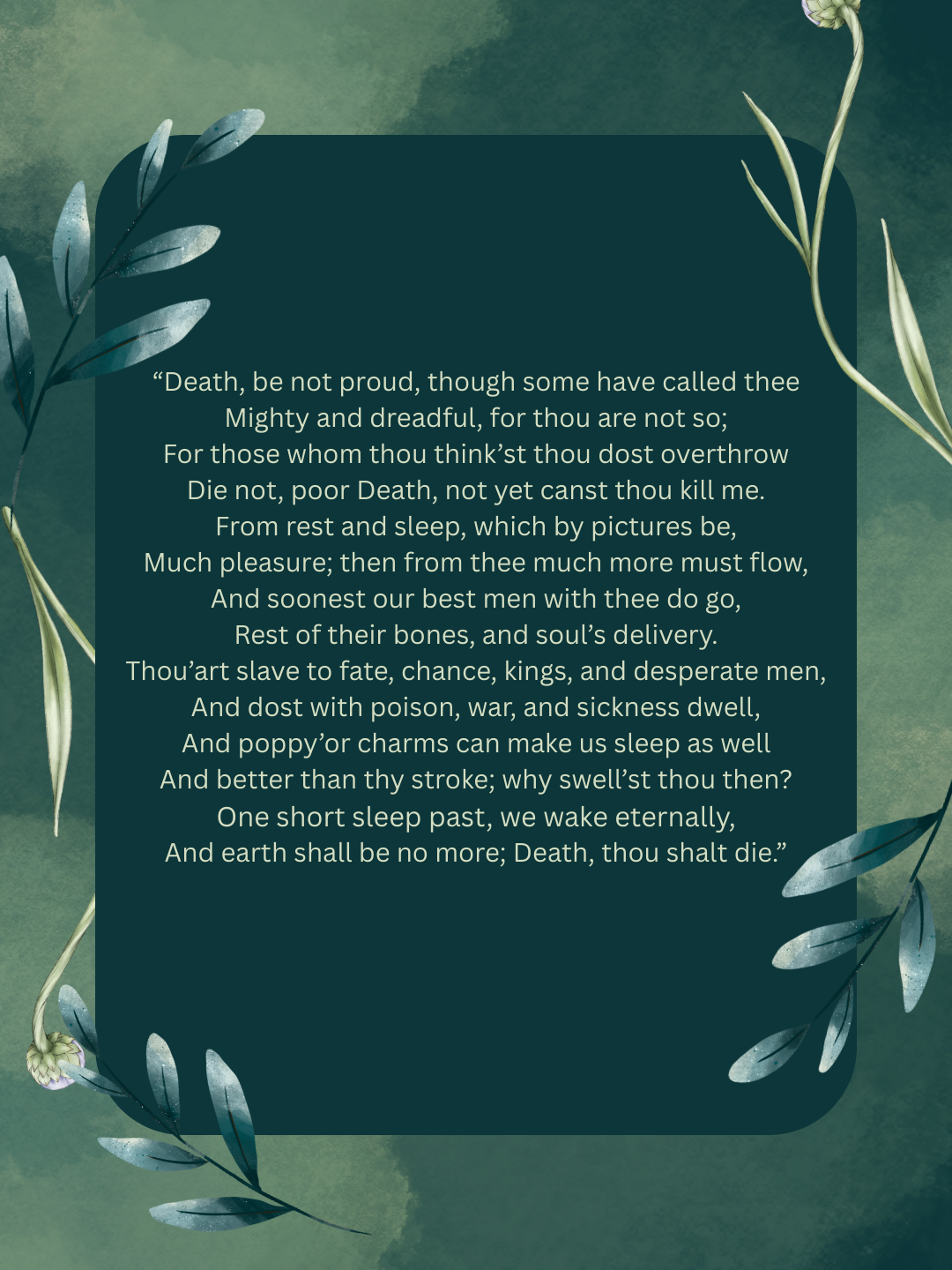
This poem expresses a Christian point of view on the subject of death, that destiny that awaits all of us on some future horizon. But Christians know that death is not the end, but for those who know, love, and serve God and their neighbors in this life, it is the doorway to the eternal joy of that place God has prepared for us. “And if I go and prepare a place for you, I will come back and take you to be with me that you also may be where I am” (Jn 14:3).
This sense of death’s true self was present in the Old Testament as well. “If he were not expecting the fallen to rise again, it would have been useless and foolish to pray for them in death. But if he did this with a view to the splendid reward that awaits those who had gone to rest in godliness, it was a holy and pious thought” (2 Mc. 12:44-45). It is in this wisdom, too, that we are called upon to pray not only for those who are alive but also for those who have gone on before us. In His wisdom, God has tied those of us who are alive and those who have died together in what we call the Communion of Saints.
This “pious thought” implies the wisdom that there is a real purpose to our praying for those who have died. There is in the tradition something known as the Spiritual Works of Mercy. They are: admonishing the sinner, instructing the ignorant (in the faith); counseling the doubtful; comforting those who are sorrowful; bearing wrongs patiently; forgiving all injuries; and praying for the living and the dead. Each of these addresses the recognizable spiritual needs of mind and soul that people can experience. It also recognizes our call to community, to love one another, as Jesus loved us. All of these concerns can arise as a result of a variety of sinful attitudes. It is the recognition of our sins that produces within us the need to be healed, forgiven, and redeemed.
Each of these Spiritual Works of Mercy is a recognition of our human weaknesses, our propensity for giving in to temptations to sin. Each also recognizes our capacity for seeing the error of our ways and our deep desire to repent. They also recognize that all who believe have a responsibility to walk with each other when these needs arise. It is a freely willed choice to sin, but is also a freely willed choice to repent, and another to choose to serve those who are suffering through one of these Spiritual Works of Mercy.
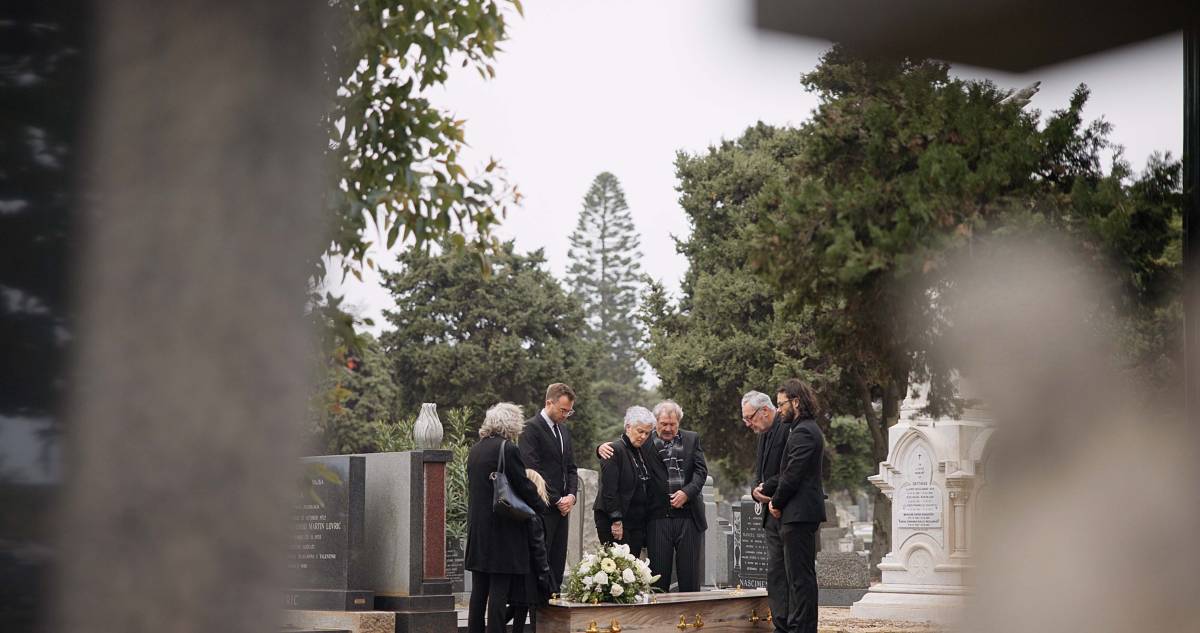
Death is no respecter of time or of our personal desires or wishes. It comes in many cases unexpectedly, as a surprise. How many people die, even good people, with unrecognized or unresolved sins on their souls? This is the reason for the last of those works of mercy mentioned above, that is, praying for the living AND the dead. Yes, we are called upon to pray for those who have died, who are destined for heaven, but whose souls must still be purged of unrepentant sin and made perfect so that they can enter into the perfect joy, peace, and love of heaven. This concept has been called Purgatory. Probably all of us have sins on our souls that we never recognized as sins, or that we have forgotten, or that we have rationalized as trivial. But to enter heaven, our souls must be purged of all sin. They must be perfectly pure to be able to enter heaven. There is no place in heaven for sin. The unspoken reality about this concept of Purgatory is that all who enter there are destined finally to enter heaven after being purged, cleansed of all stain of sin. While it implies suffering, it is also proof of hope. Heaven awaits.
Therefore, it is proper, good, and efficacious for us to pray for our family members and friends and all who have died. In doing so, we make a free will choice to participate in one of those Spiritual Works of Mercy on behalf of our loved ones who have gone on before us. We cannot know anything or prove anything about the existence of Purgatory. Our sense of time is not relevant in this discussion. Does this purging of sin take a long time, or does it happen in the blink of an eye? No one can say with certainty. But it is a matter of simple human logic to recognize that none of us is free from the taint of sin, and that there would be no place in heaven for sin of any kind or level. Because we are all sinners, we are all in need of each other’s prayers both now in this world and after we die. The one certain thing is that God’s love is real, it is faithful, merciful, and it is also just. Jesus knows our hearts. He alone can judge our souls. Let us put our trust and faith in God’s infinite love and mercy, and let us continue to pray for one another and for those who have gone on before us.
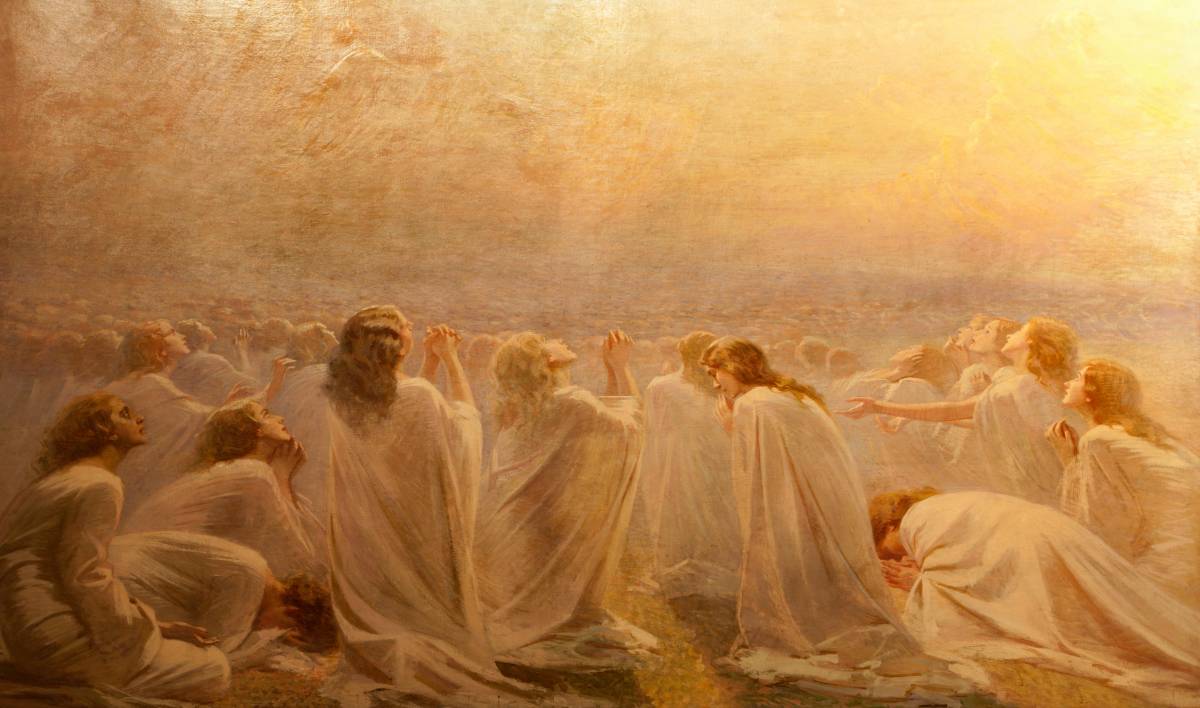
Lord of life eternal, we place our hope in you; hear our prayers. Source of all joy and consolation in sorrow, hear our prayer. For all the faithful departed, grant eternal rest in heaven with you, hear our prayers. Amen.
More to Explore
SKM: below-content placeholderWhizzco for FHB