

Paul tells us in his Second Letter to the Corinthians: “As God is faithful, our word to you is not “yes” and “no”. For the Son of God, Jesus Christ, who was proclaimed to you by us, Silvanus and Timothy and me, was not “yes” and “no,” but “yes” has been in him. For however many are the promises of God, their Yes is in him; therefore, the Amen from us also goes through him to God for glory” (2 Cor. 1:18-20). This passage is revealing to us something of the nature of God, versus our own nature. God’s infinite, life-affirming, loving, just, and merciful nature can be described by this most powerful word, “Yes.” All too often, it is our nature to equivocate, to say yes when we mean no and vice versa.

We have only the limited tool of language with which to understand the mystery of God, his unlimited majesty, his omnipotence, and his unconditional love for us. The word “yes,” metaphorically speaking, signifies far more than a simple agreement. It can represent openness, acceptance, commitment, and affirmation of life, opportunities, or the liberating capacity of a higher power. The word “yes” implies the acknowledgment of reality, of making room for what is real and present. It expresses a willingness to embrace what is good, true, and beautiful. It opens doors to what is possible. It suggests unwavering faithfulness and trust, a willingness to obey the divine plan, to honor the covenantal relationship that God has for us and that we are called to have with him. Jesus tells us, Let our ‘yes’ mean ‘Yes’ and our ‘No’ mean ‘no.’ Anything more is from the evil one.” (Mt. 5:37) To do so implies our integrity, honesty, and our willingness to follow him, no matter the consequences in this broken world.
We can imagine that the Word that God spoke to bring about the creation was “Yes!” In that “Yes” was the light that pushed back the darkness, the sun, the moon, and the countless stars of the universe. That “Yes!” contained all that is, was, and ever will be. It is the divine “Yes!” that sustains all of humanity, indeed, all of creation, since the Fall of Adam and Eve to the present moment. God’s ever-present “Yes!” is His promise of fidelity to us, yes, which remains unbroken, even in our sinfulness. It is that “Yes!” that speaks every one of us into being at the moment of our conception in our mother’s womb. God’s “Yes!” was made manifest in flesh and blood, in the person of his Only Begotten Son, Jesus Christ. That divine affirmation, that holy “Yes!” was spoken again on our behalf by Jesus’ willing self-sacrifice on the Cross. Jesus was God’s “Yes!” to a fallen world. That “Yes!” is the reason for our hope. And each time we turn back to God in need of forgiveness for our failures to remain faithful to him, he responds willingly with that powerful, liberating, forgiving word… “Yes!”
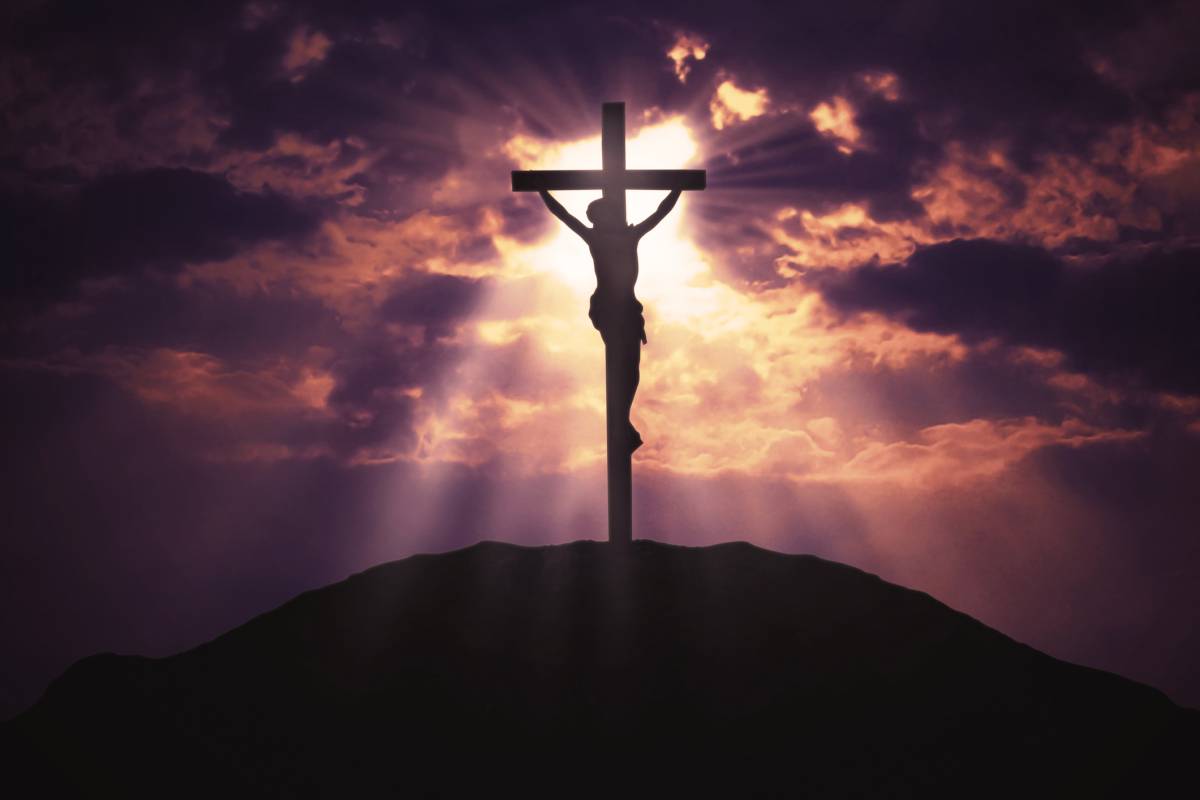
How ought we respond to this divine “Yes”? We have many examples in the Scriptures to look to for an answer to that question. Abraham said yes to God when he took God at his word and left his home to go toward the promised land. He said ‘yes’ again, in the most trying of possible circumstances, when he was told to sacrifice his son, Isaac, to the Lord. In doing so, Abraham was rewarded by God and was considered righteous. Moses said yes to the Lord in the burning bush and in all that he was told to do to free the Israelites from their slavery in Egypt. He said ‘yes’ to God, over and over again, during the long 40-year sojourn in the desert. He failed to say ‘yes’ only once, and for that he was not allowed to cross the Jordan into the Holy Land. The most important ‘yes’ of all was the one that Mary gave to the mysterious angel who came to her with a message from God; that she was to be the mother of God through the Holy Spirit. It was her unhesitating ‘yes’ to that message, her willing submission in fidelity to God’s infinite wisdom, that made the Incarnation possible. At the moment of her ‘yes,’ when she said, “Let it be done unto me according to your will,” Jesus was conceived by the Holy Spirit in her womb. And she would remain true to that ‘yes’ all the way to the Cross. And God shouted “YES!” to all of Creation at the moment of the Resurrection.
Jesus is God’s “Yes!” to a broken world. In him we see and come to know the Father. He said “Yes!” in obedience to the Father when he willingly “emptied himself, taking on the form of a slave, coming in human likeness; and found human in appearance, he humbled himself, becoming obedient to death, even death on a cross” (Phil. 2:7-8). We show our own fidelity to Jesus when we put his words to us into action in our lives, no matter what the potential or the real costs might be for ourselves. We answer God’s “Yes!” to us every time we love others, no matter their status or condition, just as he did. Whenever we live in accord with his “Yes!” we share, in some small part, in his affirming nature; we become his true and faithful disciples. Glory be to God!
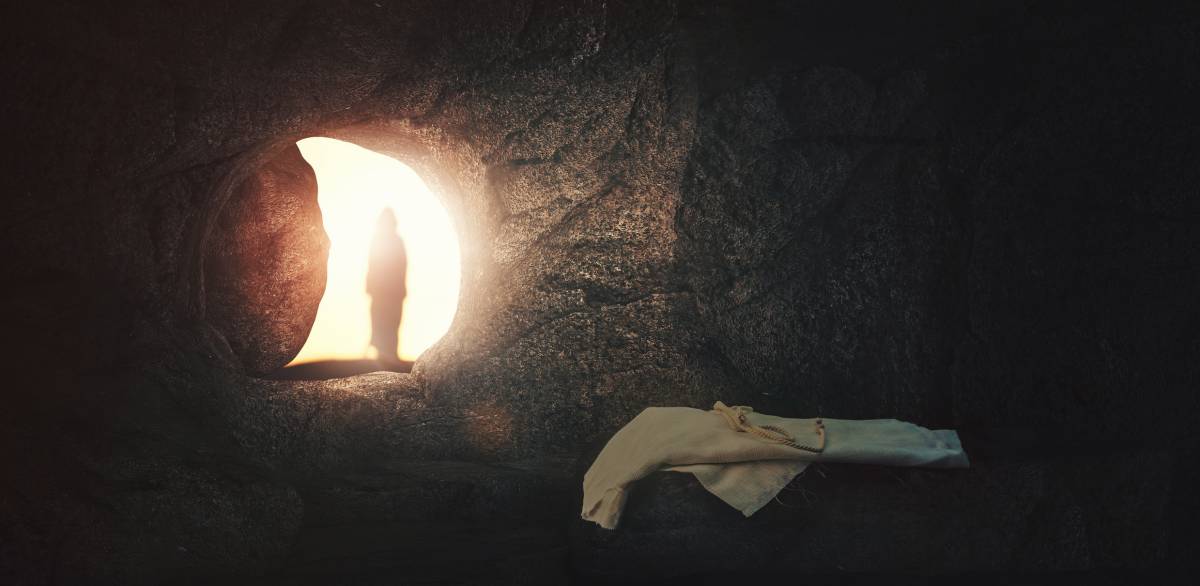
Lord, for the affirming Word of creation, we thank you. Give us the graces we need to say ‘yes’ to you by showing reverence to all of your Creation. For your generous Word of salvation, we give you thanks. Give us the strength to say ‘yes’ to you in all of our words and actions toward others. For your Word of life, we give you thanks and praise. Empower us with an increasing desire to say “yes” to all life from conception to natural death. We pray in Jesus’ name. Amen.
More to Explore
SKM: below-content placeholderWhizzco for FHB