
What Is Man That You are Mindful of Him, Psalm 8
We, too, can be struck with wonderment by the great mystery.

This psalm is about God’s divine majesty and the stunning sense of humble wonderment at the infinite dignity that God has bestowed on every human being. It is an exuberant song of praise and awe. David sings his wonder with an explosive, awe-filled joy here. It is like the enthusiastic expression of the surprise and wonder we have when we experience an “Aha!” moment when we suddenly understand a difficult idea. David, the psalmist, is expressing something that could only have come through the inspiration of the Holy Spirit. In innocently simple words, like those from “the mouths of babes and infants” (v. 3), he expresses the humble recognition that God is God, and we are not. Yet, at the same time, it is a divine revelation concerning the infinite dignity that God has so generously bestowed on each of us in our humanity.
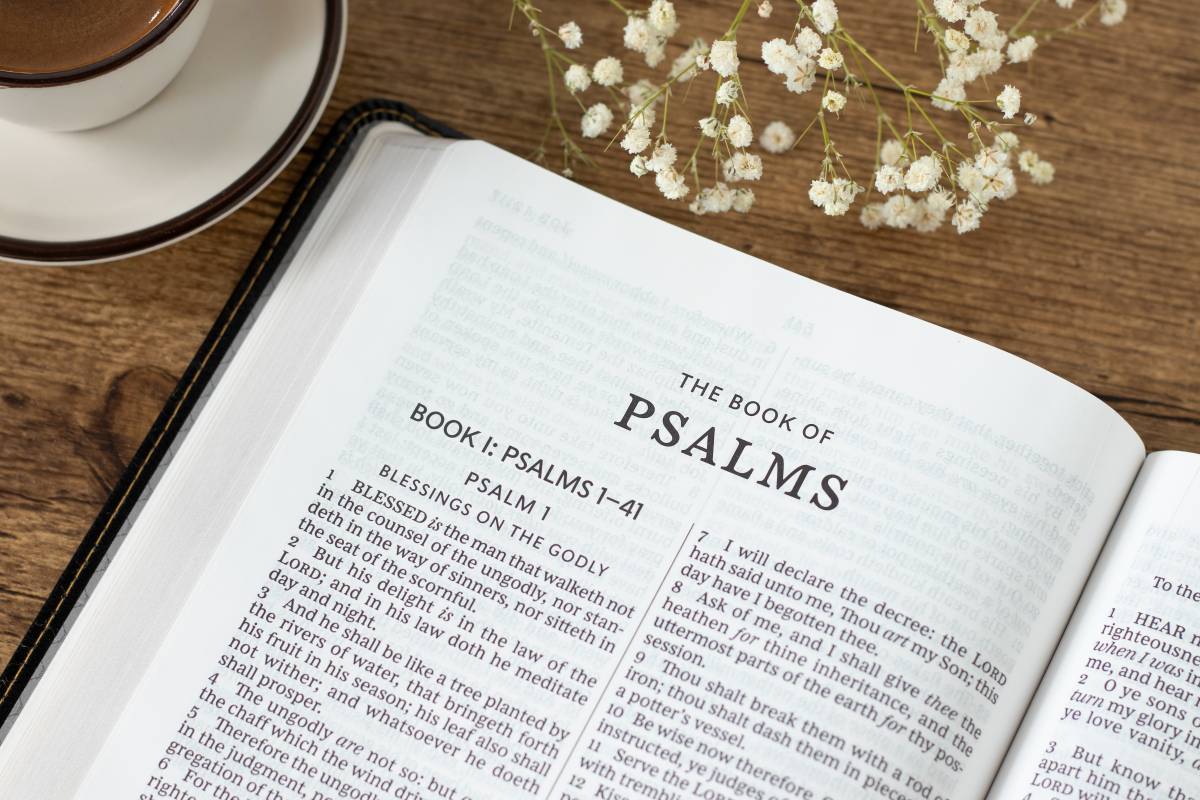
David’s prayer comes from a depth of understanding that has its roots in the long, regular practice of prayer. He has looked at the heavens, the moon, and the stars in their infinite numbers and seen the “finger of God” at work in them. At the same time, he has seen his smallness in the face of God’s creation. David, the king, despite his immense earthly royal importance, is humbled by this recognition. He has seen, at once, the paradoxical truth that our humanity is both fragile and mortal, and at the same time, possessed of a divinely created nobility.
David, filled with wonder and awe writes: “What is man that you are mindful of him, and a son of man that you care for him? Yet you have made him little less than a [god], crowned him with glory and honor” (v. 5). The Hebrew word used in this passage is ‘elohim,’ the ordinary word for “God,” or the gods, or members of the heavenly court. It is translated in the Greek and modern translations as “angels.” William Shakespeare has his character, Hamlet, say something similar: “What a piece of work is man. How noble in reason, how infinite in faculty,/ In form and moving how express and admirable,/ In action how like an Angel,/ In apprehension how like a god./ The beauty of the world, the paragon of animals” (Hamlet: Act II, scene ii).

What moves David to say this in this psalm? It is a matter of simple observation and prayerful contemplation on his part. Why is it that, in our smallness in comparison to nature, has God given us “dominion” over it? “You have given him rule over the works of your hands, put all things at his feet: all sheep and oxen, even the beasts of the field, the birds of the air, the fish of the sea, and whatever swims the paths of the seas” (vs. 6-9). When we look up at the night sky on a clear night, or when we stand on the shore of the sea staring out at its immensity, are we not awed by it? Do we not feel the reality of our smallness in the presence of such realities?
The seemingly limitless universe with all of its stars, and the immense diversity of the Earth’s plants and all of its creatures, in reality, are nothing in comparison to the One who made it all. And yet, he has placed we human beings as his stewards over all of it. We see this idea also in Genesis 1: 28: “God blessed them and God said to them: Be fertile and multiply; fill the earth and subdue it. Have dominion over the fish of the sea, the birds of the air, and all the living things that crawl on the earth…” In other words, we have been given the responsibility to care for God’s creation for the good of all. We are to treat it and care for it with the care that God has for it.
Jesus put it this way: “Much will be required of the person entrusted with much, and still more will be demanded of the person entrusted with more” (Lk. 12:48). God has made us in his image and likeness, “little less than angels,” and he has given us dominion over his creation. If we are filled with the same sense of awe that David expresses here in Psalm 8, then we must bring that same sense of awe to all we say and do in the world. We must recognize and care for all of God’s creation, and each other, like men and women, endowed by the Creator with infinite dignity because we are made in the Creator’s image and likeness. To whom much is given, much is expected. This thought should give each one of us pause as we contemplate how we are, or are not, honoring God’s creation and each other’s infinite dignity in our personal, and even national lives.

When we pray over this psalm, we, too, can come to experience the exhilarating wonder and awe of David’s sudden realization and recognition of God’s greatness and generosity. We, too, can be struck with wonderment by the great mystery that we, in our smallness, have been imbued by God with an infinite dignity, little less than angels. We can sing, with David: “O Lord, our Lord, how awesome is your name through all the earth” (v. 10)!
More to Explore
SKM: below-content placeholderWhizzco for FHB