

In Jesus Christ, we come face to face with God. We encounter God in person, in the flesh; we see who he is, what he does, and how he loves us with a love so stunning and beyond our imaginations, yet it is so real, so intensely personal. If we have ears that hear and eyes that see, every word he speaks and every action he engages in enkindles a profound sense of hope in our minds and hearts. We see that with him all things are possible, and without him everything fails.
The powerful parable about the Prodigal Son is a perfect Lenten reflection. It reveals so much about us and even more about the nature of our God and his love for us. We know the story well. The scene begins with the fact that, much to the chagrin of the scribes and Pharisees, all of the worst kinds of people, “tax collectors and sinners were drawing near and listening” to Jesus and we are told that they are complaining saying, “This man welcomes sinners and eats with them” (Lk. 15: 2). Isn’t there a bit of the scribes and Pharisees in us at times? How often do we complain, judge, and condemn others from our own supposed sense of superiority and self-importance? Isn’t this behavior intensely familiar to us? And doesn’t it, all too often, cause great harm to the other, physically, emotionally, psychologically? Is this not a sin?
In the parable, we see the younger brother, all full of youthful arrogance and willfulness, demanding his portion of his father’s estate to go off and to do whatever he wishes and wills to do with it, without interference from any authority but his own self. We see how he squanders it all on ‘wine, women, and song’, with devil-may-care foolishness until he is broke, alone, without support in a foreign land. So desperate is he that he takes a job with a local farmer tending his pigs. The symbolism is intense here. For a Jew, working with pigs, unclean animals, would make him ritually impure, requiring a cleansing process of both himself and his clothes. He would be required to bathe in water, the mikveh or ritual bath, and would remain impure until sunset. Until then, he would have been untouchable, not allowed in the house or the synagogue. Remember this.
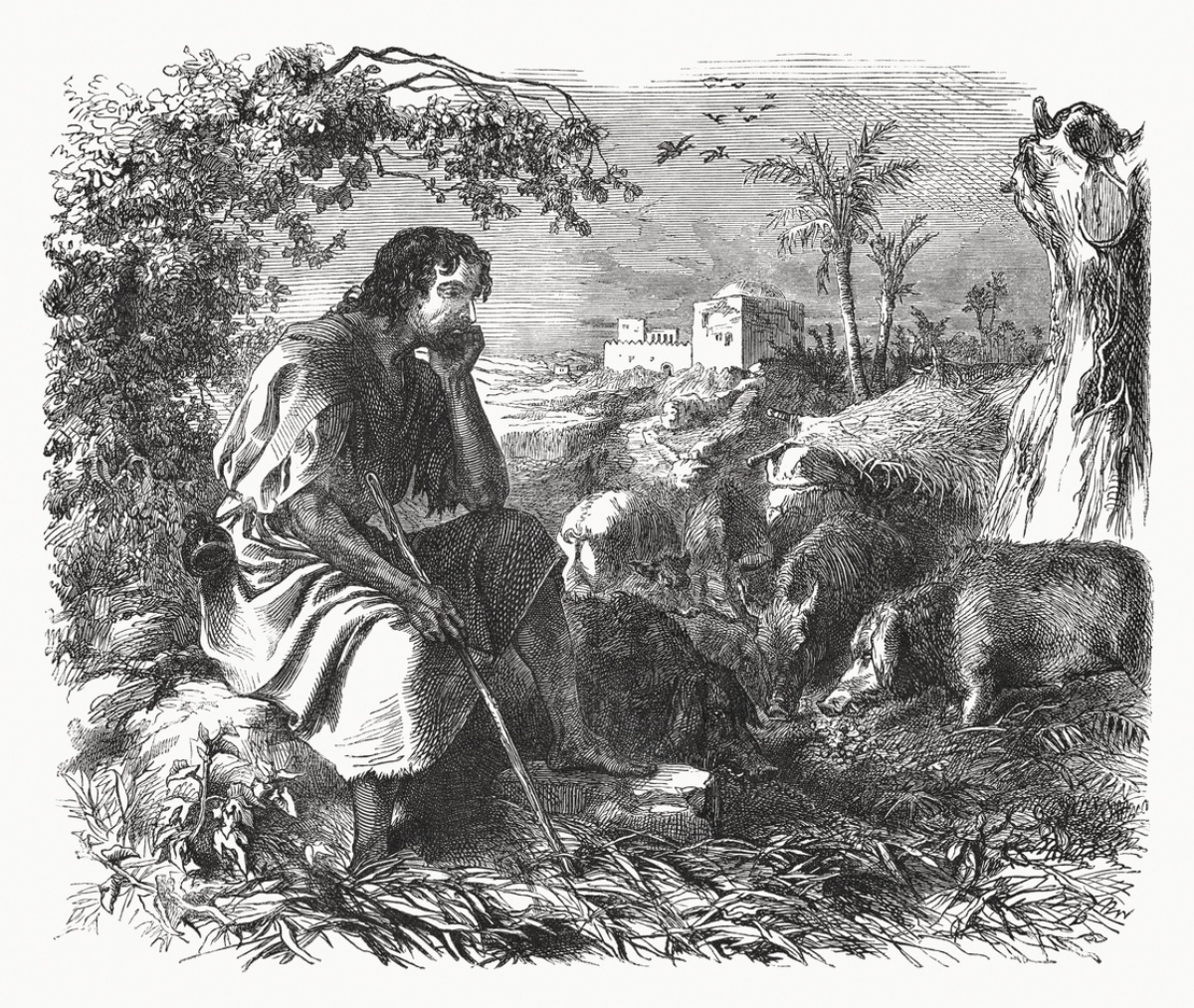
Given that this is a parable, we are not told how long the prodigal son suffered the consequences of his sins against his father and of his own dissolute life, but we are told that he finally. “Came to his senses” (v. 17). He says, “How many of my father’s hired workers have more than enough food to eat, but here am I, dying from hunger. I shall get up and go to my father, and I shall say to him, ‘Father, I have sinned against heaven and against you. I no longer deserve to be called your son; treat me as you would treat one of your hired workers” (vs. 17-19). Is this prodigal son’s conversion complete and sincere? Has he really ‘grown up’? We hope so, for our own sake. We are not told either way, but what is certain is the father’s reaction to his return,
The older son reveals to us as well. He is riven with jealousy and anger. He is jealous because he has remained ‘faithful’ to his father, has always done what he was told, but has never had a fatted calf slaughtered to celebrate him. He is angry because his younger brother, who has “swallowed up your property with prostitutes,” is now being feted with a party, a celebration, by his father, who, in fact, has been truly injured by this younger brother’s unfaithfulness and disrespect. Even his father’s expressions of care and faithfulness toward him, and his explanation for his joy, that “your brother was dead and has come to life again; he was lost and has been found”, seem not to impress this older son. He is pridefully indignant. At the end of the parable, we hope that the older son ‘gets it’ and goes into the party and is reconciled with his younger brother, but we don’t know.
But the center of the parable is not the prodigal son or the older brother. The character we are to have our eyes on is the father, who clearly represents our Father in heaven and his indefatigable, unconditional love for us, even when we get caught up in our own prodigal and sometimes ‘entitled’ attitudes and behaviors. In Jesus’ time, the kind of disrespect that this younger son showed toward his father would have had very serious, even terrible consequences. He would have been excommunicated from the family forever, maybe even worse. These images that Jesus uses to reveal the nature of the Father’s love are very powerful.
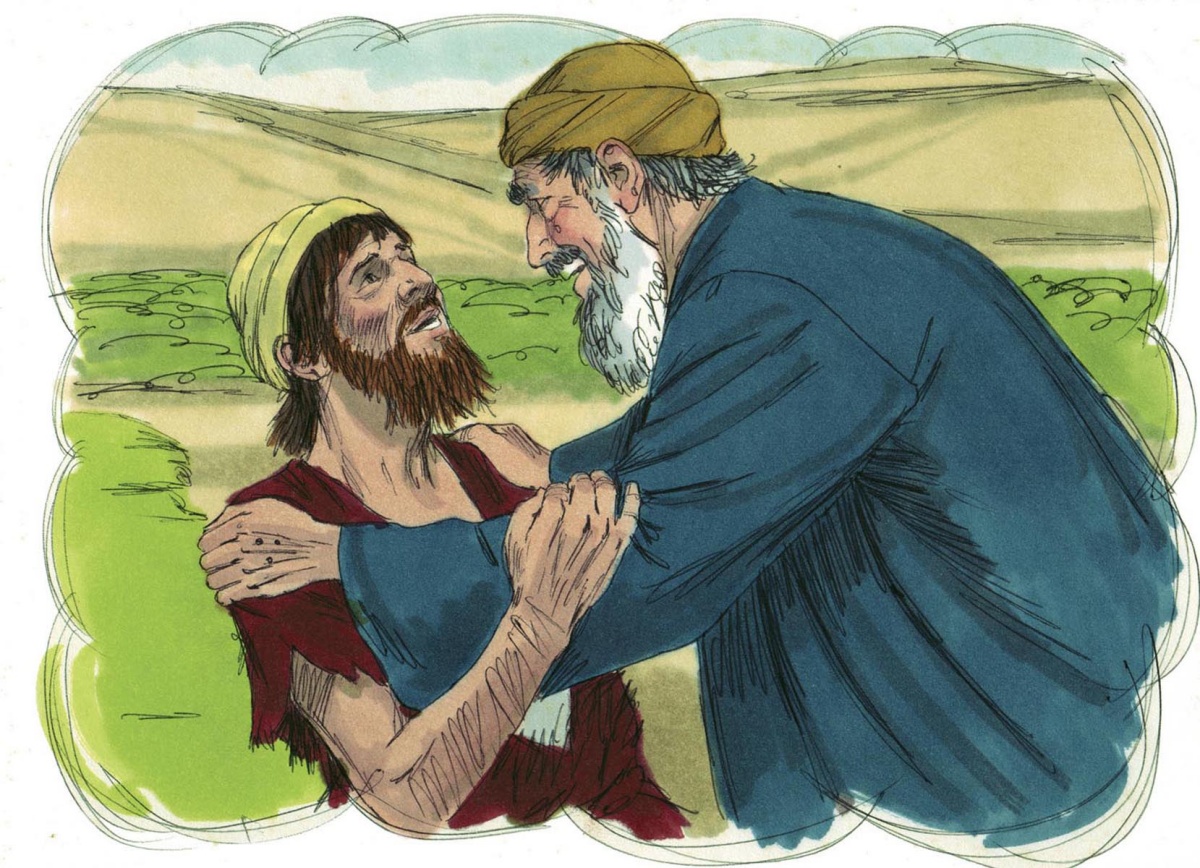
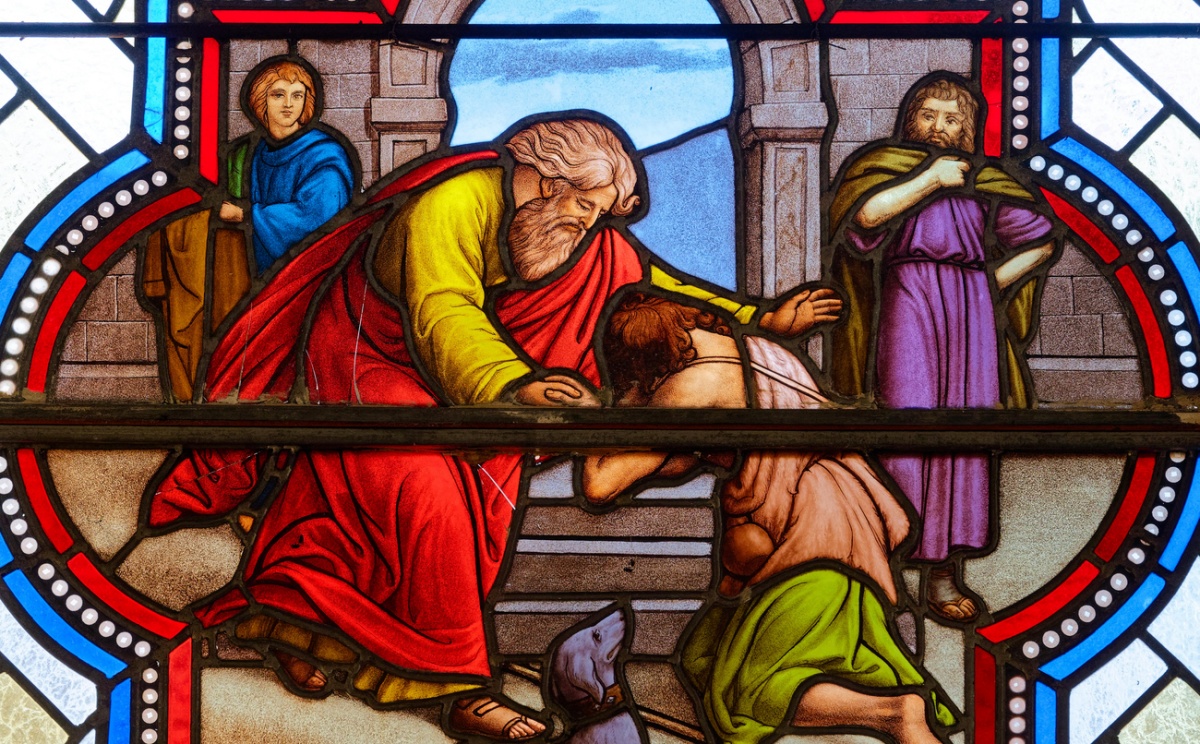
This ‘father’, when he recognizes his son coming up the road, even though he is dirty and bent, still clothed in the filth and stench from his work with the pigs, doesn’t wait for his prodigal son to come and bow his head to the ground before him at his feet, as would be the custom. No, he runs out to meet his son. He embraces his son, even though he is ritually impure and stinks to high heaven. He hears and accepts the son’s confession, and He orders his servants to “bring the finest robe and put it on him.” Even more significantly, “Put a ring on his finger and sandals on his feet and get the fatted calf and kill it, and let us eat and celebrate; for this son of mine was dead and is alive again; he was lost, and he is found” (vs. 23-24)!
This is the God that we believe in. This is the kind of love that is at the center of his Being. We are the prodigal, arrogant, and entitled sinners, epitomized in this parable. If and when we finally ‘come to our senses’, realizing our own prodigal behavior, and turn back to our Father still dressed in the filth and stench of our sins, he will ‘run’ to us, too, with nothing less than divine joy! He will embrace us, place the family rings back on our fingers, and celebrate our return, for the same reason: we were lost and have been found!
Let this Lent be a time for us to recognize the habits in our lives that are rooted in willful arrogance or entitlement, and we unknowingly get lost in. Let our Lenten practices of prayer, fasting, and alms-giving bring us ‘to our senses’ again. Let us return to God and to ask his forgiveness and the graces we need to “go and sin no more” (Jn 8:11). Let us return home to the Father so that we can hear him say to us, “My daughter, my son, you are forgiven. Come, let us celebrate.” That is the meaning of love, the unconditional, total love that God has for us, and of our yearning love for him in return.
SKM: below-content placeholderWhizzco for FHB