

It has been said that the law of love is the centerpiece of all of Scripture and that all else is commentary. This law is expressed most succinctly in the Two Great Commandments. The love of God and neighbor, then, can be said to be the central theme, the defining purpose and meaning of all of the Holy Scriptures, and of our faith. Throughout all of Scripture, we encounter God’s infinite, unconquerable love for us, as well as our own seemingly endless human capacity for rebelliousness. We see throughout that God’s love is never defeated, diminished, or changed. As Christians, we believe that Jesus is the very presence of God’s love with us, both then and now. By his words and deeds, he shows us the way, the truth, and the life of that law of love.
There is no doubt about God’s love for us. There could be no more absolute proof for this love than the life, death, and resurrection of Jesus Christ, the Son of God, who came among us in the flesh to show us, in person, what love really is and what love really does. To paraphrase the Apostle John in his First Letter, “Anyone who has known love (both in the receiving of it and in the sharing of it) knows God because God is love” (v. 7-8). This, then, is the meat of the story. Jesus, who is the very presence of God’s love, shows us, by word and by deed, what real love looks like and what it really does. By his life and words, he challenges each one of us to live that same love among ourselves, and especially with those who are the least loved of his brothers and sisters.
We know the parable of the Judgment of the Nations. It tells us how, at the end of time, when Jesus, the Son of Man, returns to judge the living and the dead, he will separate the “sheep” (the righteous) from the “goats” (the unrighteous). We see that he will welcome the former “into the kingdom prepared for them from the foundations of the world” (v. 34), and send the others “off to eternal punishment” (v. 46). In other words, we will be judged by how well we have learned to love both God and our ‘neighbors’, especially those who are the most unloved and the most forgotten among us. This is a powerful idea to reflect on personally during these 40 days of Lent, leading up to our celebration of Easter. Where do I fit in this spectrum?
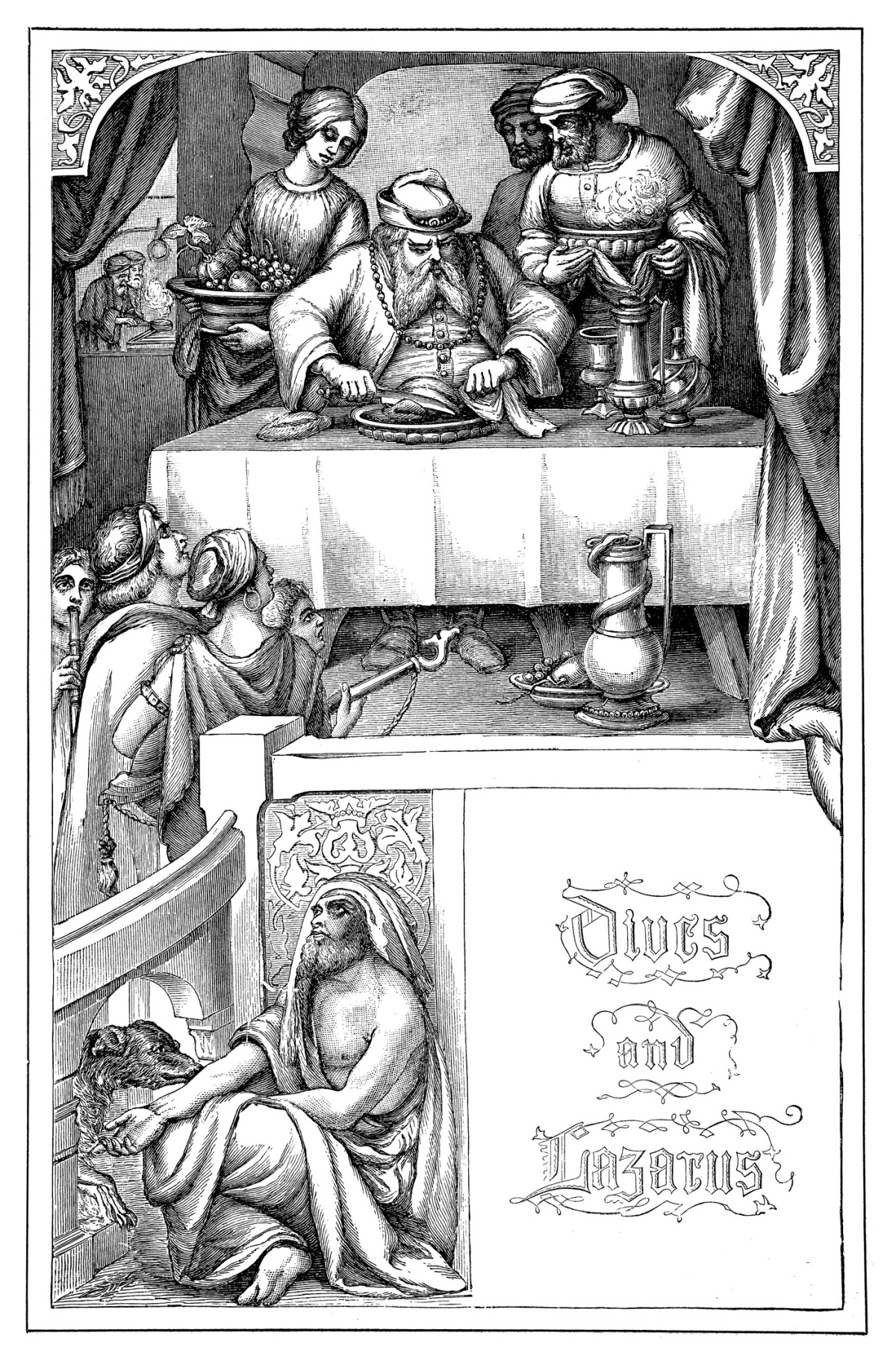
Paul expresses this idea in this way: “Love does no evil to the neighbor; hence, love is the fulfillment of the law” (Rom. 13:10). Whenever or wherever we have actively and willingly loved others, out of our love for God, especially those considered the least among us, we will have fulfilled our duty to the law. Whenever or wherever we will have failed to love “the least of” God’s brothers and sisters, we will have failed to love God fully. In other words, the measure by which we have learned to love others, all others, reveals the measure of love that we have for God. This is a powerful measuring stick for us to reflect on during this Lenten season in order to prepare ourselves for the most holy celebration of our faith, the Easter events.
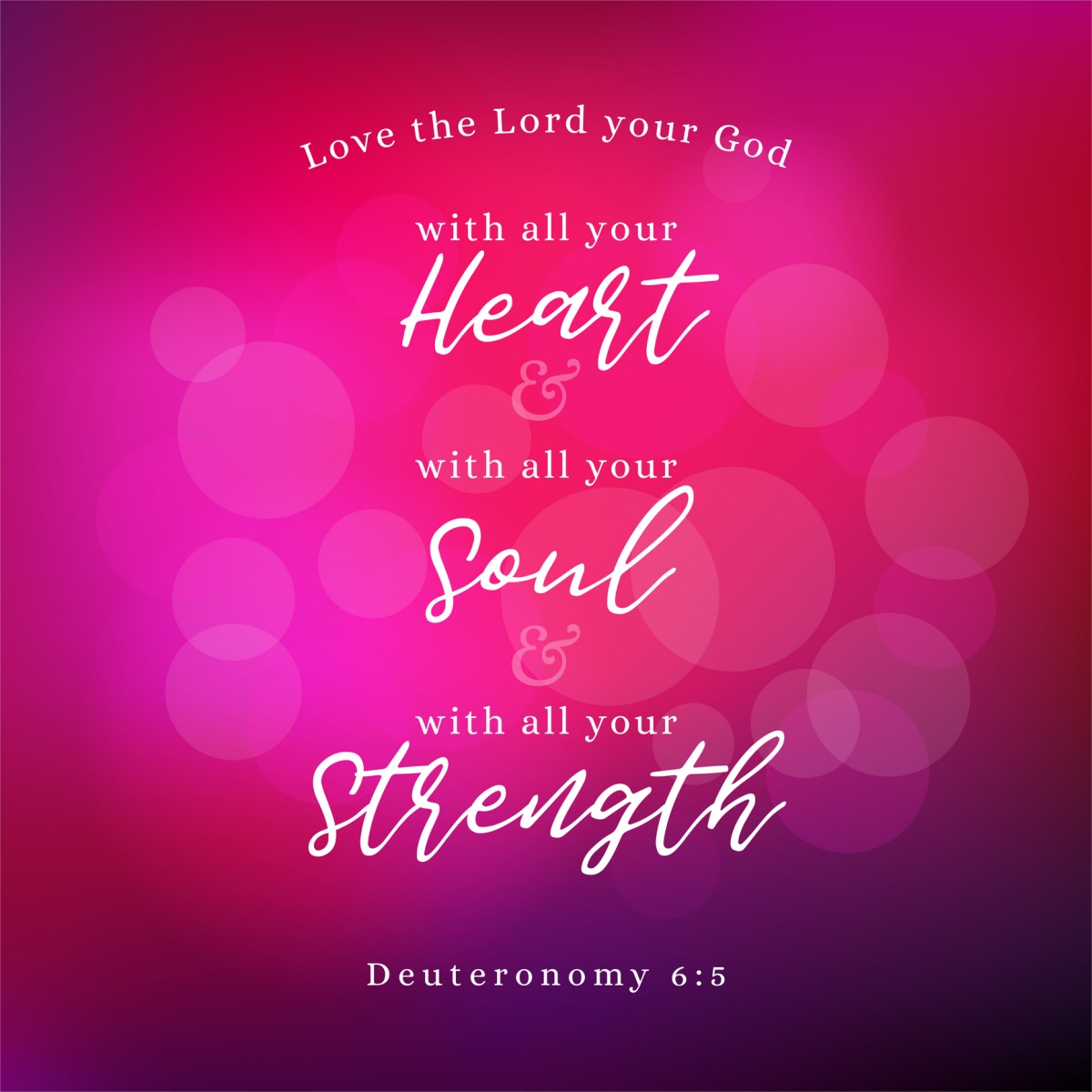
God’s law, all of it, is the law of love. Jesus is never obtuse about this. He is always very clear and very certain about this law. And he challenges us to live and to love in accord with this law in the same way he did. When Jesus was asked which of the commandments are the greatest, he responded in the words of the “Shema” in Deuteronomy: “Hear, O Israel, the Lord our God is one, and you shall love the Lord your God with all your heart, with all your soul, and with all your strength” (Deut. 6: 4-5). He then says that the second commandment is like the first: “You shall love your neighbor as yourself. The whole law and the prophets depend on these two commandments” (Mt. 22: 39-40). Hear that again: “The whole law and the prophets depend on these two commandments.” There is the center of the target! Our practice of the whole law depends on how well we learn to love God and our neighbor, in the here and now.
Lord, help us to recognize and to turn away from all of the habits and fears in us that prevent us from fully loving you and our neighbor as ourselves. Help us to desire to know, to love, and to serve you and our neighbor more deeply and effectively so that, when we come to our judgment day, we may be welcomed among Your sheep into that “kingdom you have prepared for us from the foundation of the world.”
SKM: below-content placeholderWhizzco for FHB