

The scene takes place on the shore of the Sea of Galilee. There is a huge crowd following Jesus, so much so that he has to get into a boat to speak to them. Some of the people in the crowd are there out of simple curiosity because they have heard some strange and wonderful things about Jesus. There might be some in the crowd who are cynical and want to see if this so-called miracle worker is for real. Some might be there because they want to believe but are full of doubts and fears, and some may even have come to believe that Jesus is the promised Messiah.
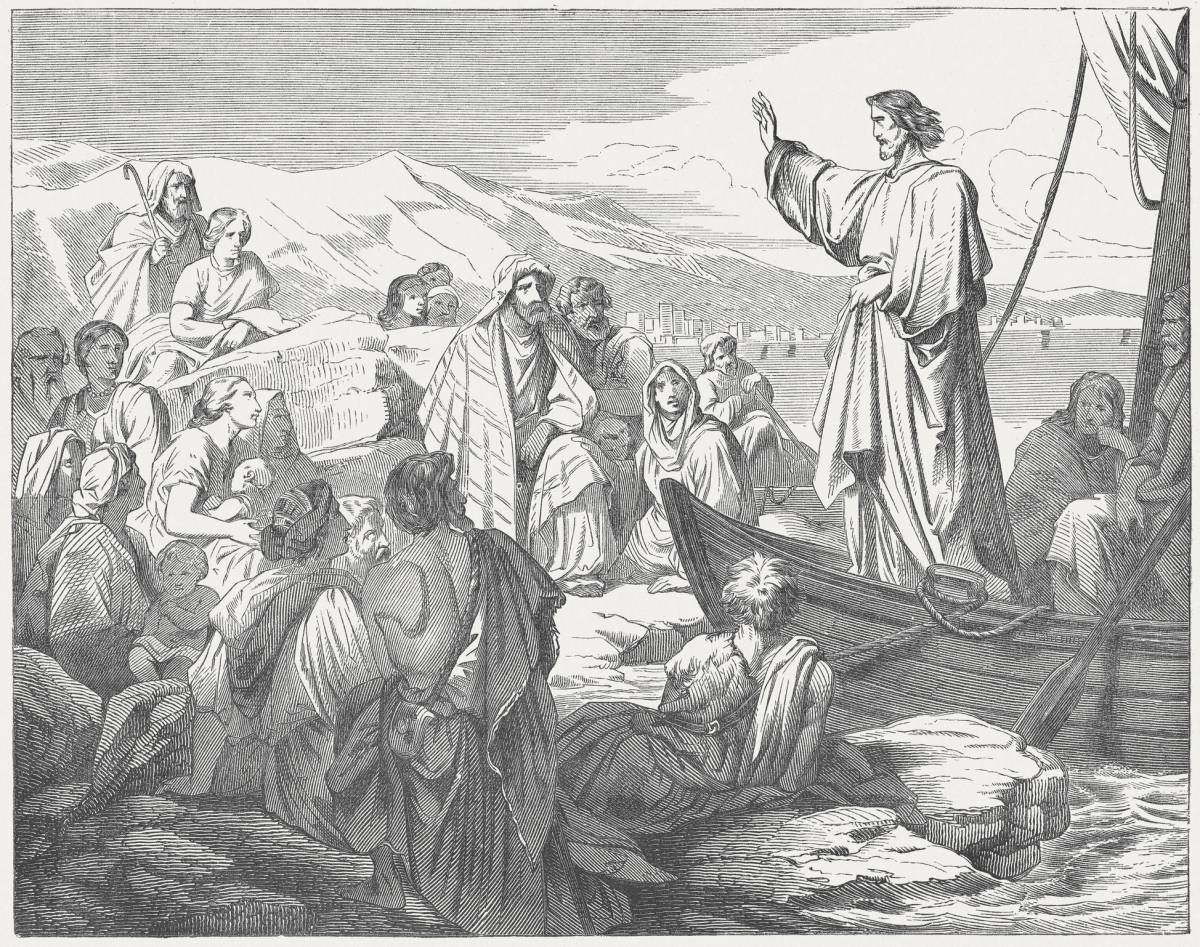
Jesus, of course, knows his audience more intimately than they know themselves, just as he knows us more than we know ourselves. He knows the power of parables. Yet he knows, too, that some, because of where they are in their lives and hearts, won’t get it. We know that the Twelve are with him, too. So, Jesus tells a parable using imagery familiar to the crowd before him. He tells of a sower sowing seed and how it lands on various types of soil. At the end of the parable, he says to the crowd, “Whoever has ears ought to hear” (v.9).
There seems to have been some consternation around the meaning of the parable. Later, after the crowd has dispersed, Jesus is with the Twelve, who are also full of questions about it. He tells them, “The mystery of the kingdom of God has been granted to you. But to those outside everything comes in parables, so that they may look and see but not perceive, and hear and listen but not understand, so that they may not be converted and be forgiven” (v. 12). Then, Jesus breaks open the meaning of the parable to the Twelve, and to us.
The Twelve had not yet understood that Jesus was talking about the kingdom of God and his word. Jesus had chosen the Twelve to become teachers for those who would follow after him. Being the Good Teacher, he helps them to understand the parable. He enables them to “hear” the truth borne within it by explaining the images to them. The central image is the seed. Jesus explains that the seed represents the word of God. The soil and all of its various conditions are the world, the world that we live in, that shapes so much of our understanding of ourselves, of itself, and most importantly, of God.
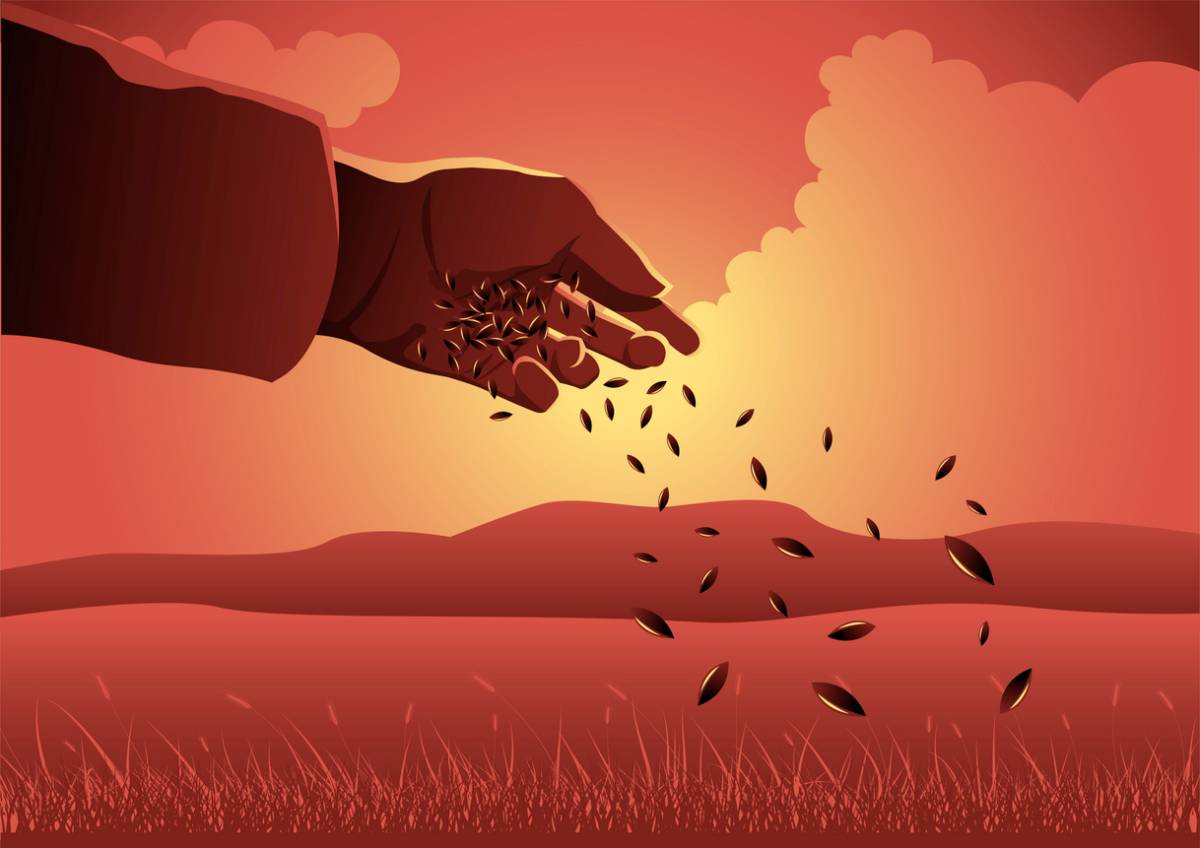
First, there is the seed that falls on the path. The ‘path’ represents all those who have become enamored with the most base of physical and emotional passions, who live only for themselves. They have given themselves over to the noise and clamor of temptations of every kind. They have no depth to them. They have given themselves over to their passions so completely that even when the seed of truth is given to them, they do not hear it; it does not penetrate through the noise of their egos and self-absorbed passions into their hearts. If they do briefly hear it, they quickly turn away from it with cynicism or prideful arrogance. They become infertile in every sense.
Then there is the seed that falls on “rocky ground”. In this case, it is not that the word is not heard. Indeed, it is heard, and it is responded to with joy, but it doesn’t grow because there is no depth of the soil of faith in which to take root. Those in this category respond with great emotion to the word of God, but when the sun rises, revealing the real-life demands of faith, that seed of faith is scorched and withers away. They don’t want to do the work or undertake the sacrifices required to live that faith openly and sincerely in their daily lives. Like a matchhead, when they like what they hear, their faith bursts into joyous flame, but when the realities of faith come to play, that flame goes out just as quickly. They are fair-weather folk. The soil of their hearts is too shallow to let the seed of the word of God take root.
Then there is the seed that falls among the thorns. It grows but is finally overwhelmed and is choked out by “worldly anxiety, the lure of riches, and the craving for other things, and it bears no fruit” (v. 19). This soil represents the reality of the seven deadly sins and their effects on us as we walk our pilgrimage through this life. If we let the fleeting things of the world take up our attention more than the word of God, our faith, too, will be choked out, and it will die. Life and this world are gifts from God, but if the soil of our faith is weak, if we allow it to be choked out by distractions of every kind, the God-given gifts of life and the beautiful things of the world will become for us nothing more than a brutish Vanity Fair.
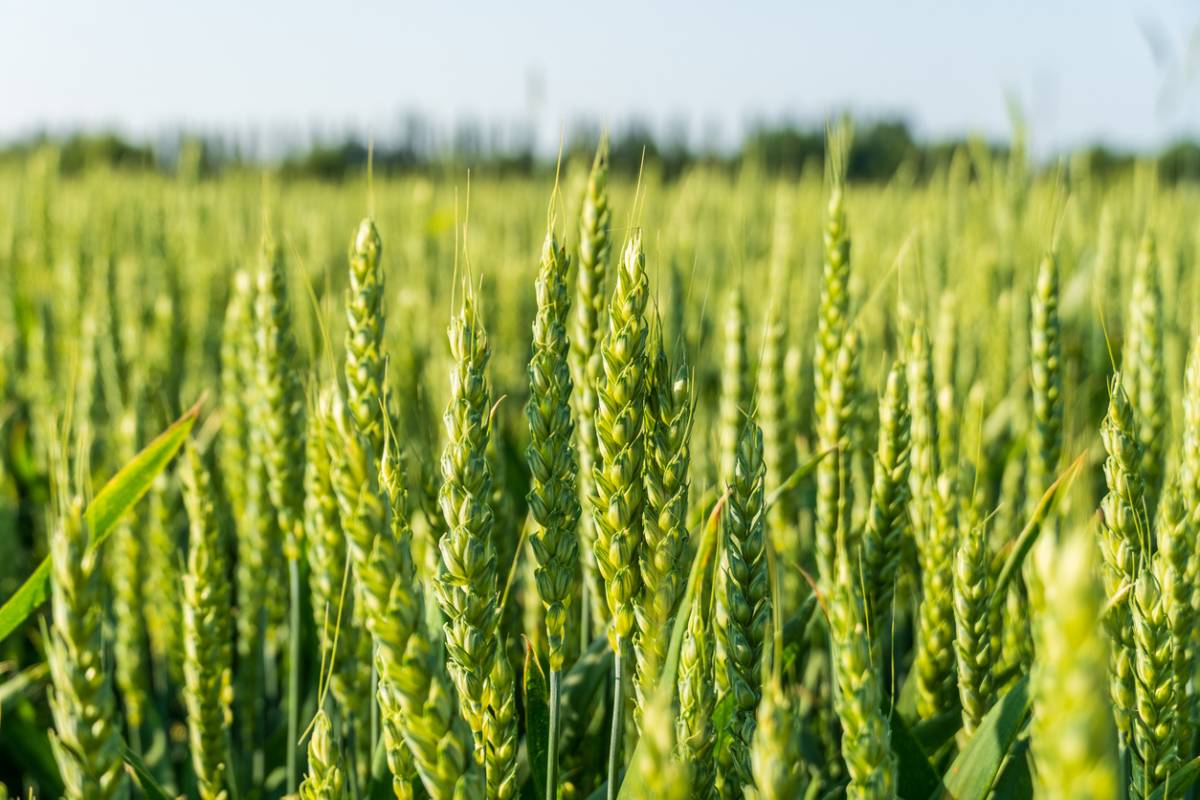
When the seed of the word of God falls into the rich soil of those who have done the work of faith in prayer, in the contemplation of Scripture, and in regular, consistent participation in communal worship, it becomes the fruitful soil that Jesus desires. It is these who will “bear fruit thirty and sixty and a hundred fold” in the kingdom of God. The seed of God’s word, in union with the ever-deepening soil of our faith, gives us ears to hear the difference between the word of the world and the word of God. In this Parable of the Sower, the Good Teacher is both challenging and enabling us to ‘hear’ and to practice the truth of the word of God more fruitfully every day of our lives.
More to Explore
SKM: below-content placeholderWhizzco for FHB