

Suffering. No one wants to suffer, but none of us can avoid its randomness or its reality, no matter how hard we try. It is a common and universal experience. We suffer externally from the conscious and unconscious harm or cruelty brought upon us by others, or from internal psychological and moral realities brought on by our choices in the form of fear, anxiety, or guilt of every sort. Ultimately, we all come to the recognition of the final reality of death, that of others, and our own.

Jesus entered into his Creation precisely because it had grown dark from the consequences of human sinfulness. He willingly entered this suffering world, darkened by sin and death, to conquer it once and for all, forever. In his words and deeds, Jesus showed us the fullness of the Father’s love, compassion, and mercy. He took on our humanity, including all of our suffering, and walked with us even to the suffering of the cross. And he promised us: “And behold, I am always with you, to the end of the age” (Mt. 28:20). That means in the good times and in the bad.
Because we believe that we can not only endure the sufferings that come our way through our own fault or that of others, but we can even find meaning in our suffering. In coming to know and to believe in Jesus, we can even see the possibility or the potential of finding the courage to willingly suffer for the good of others, even to the ultimate pain of death for them. This is what he means when he says to us, “As I have loved you, so you must love one another” (Jn. 13:34). “Greater love has no one than this: to lay down one’s life for one’s friends” (Jn. 15:13).
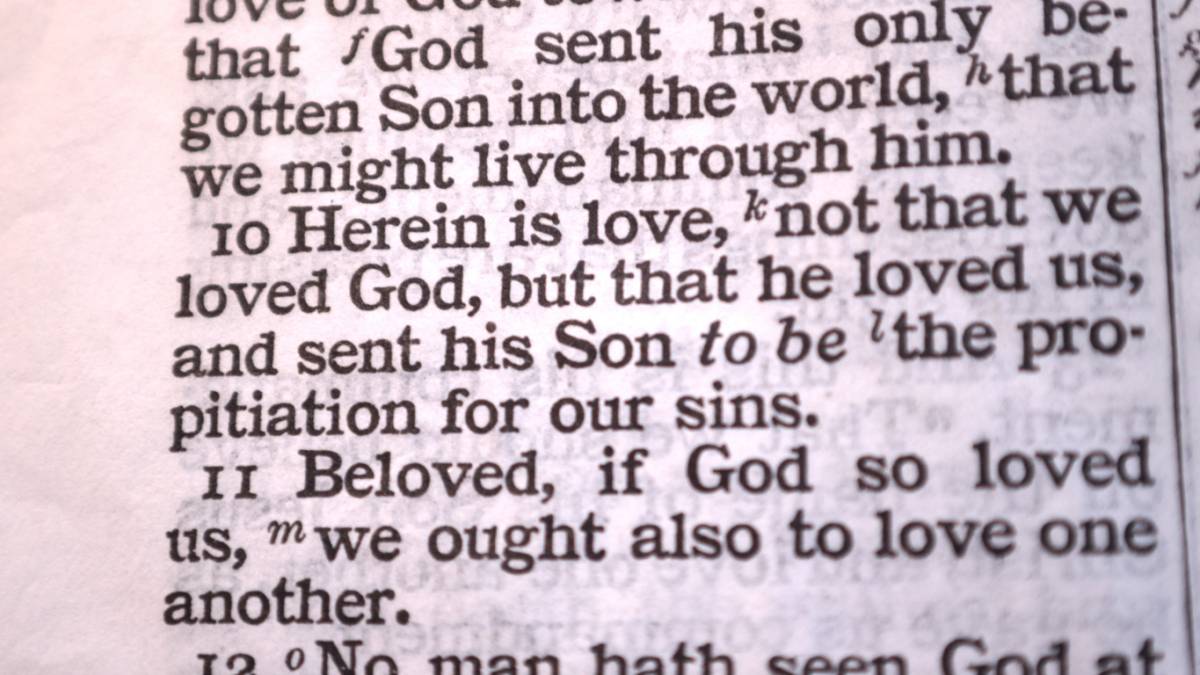
We encounter the great paradox of our Christian faith in the Person of Jesus Christ. The Creator of the universe dies, sacrificing everything out of his transcendent love for his creation. Paul tells us, “Though he was in the form of God, he did not regard equality with God something to be grasped, Rather, he emptied himself, taking the form of a slave, coming in human likeness; and…humbled himself, becoming obedient to death, even death on a cross” (Phil. 2: 6-8). Despite Adam and Eve’s rebellion, which continues down to this day in us, God, the Creator of heaven and earth…” so loved the world that he gave us his only begotten Son, so that everyone who believes in him might not perish but might have eternal life” (Jn. 3:16).
Because Jesus knows our suffering and has compassion for us in our weakness, we can believe that when we are suffering in any way, he walks with us on that difficult path. He is at our side. And though our suffering can be great, he tells us, “Take courage, I have conquered the world” (Jn. 16:33). In faith, we can believe that just as he did not abandon humanity because of Adam’s Fall, he will not abandon us here and now in the midst of our own suffering. This is why we can have courage. There is even something much deeper to consider here, too. When we willingly and humbly join our own suffering with that of Jesus, we are sharing in Christ’s redemptive mission.
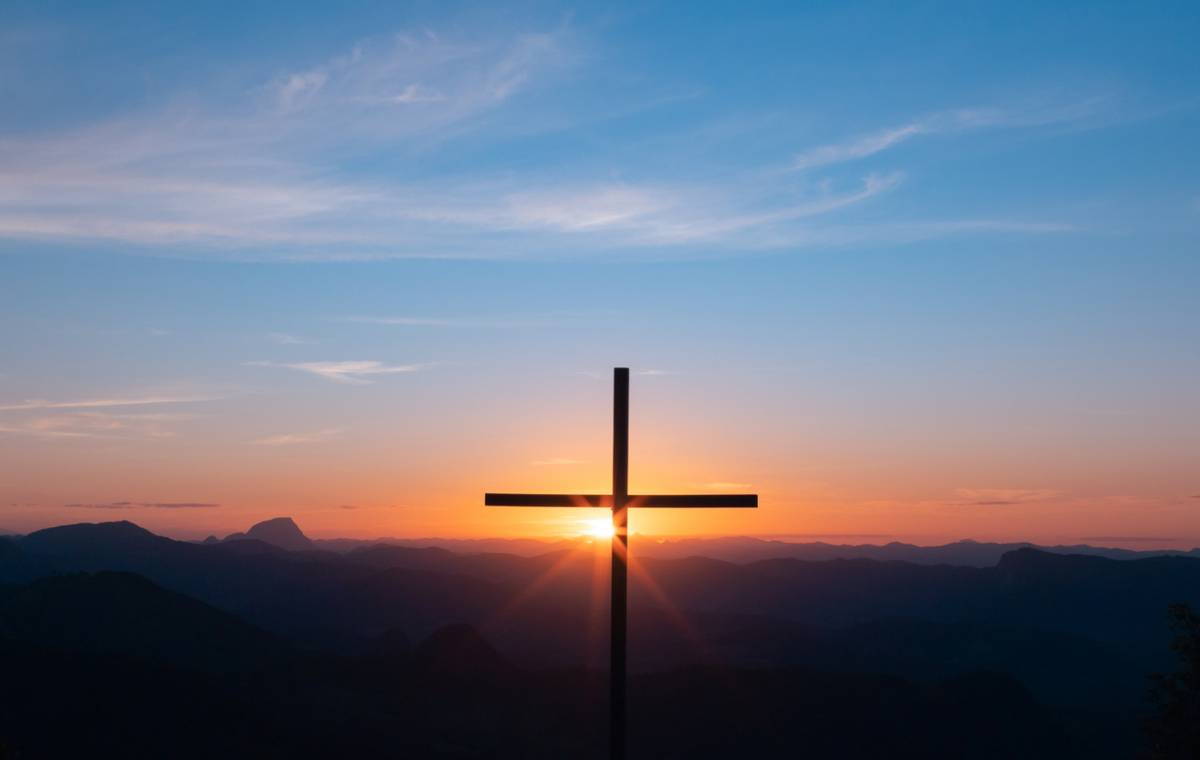
When you are caught in the reality of your own suffering, look to the cross to contemplate the fact that meaning can be found in suffering. Look at Jesus’ face in the moments of his final agony on the cross and hear his words: “Father, forgive them for they know not what they do” (Lk.23:34). Hear him speaking to you when he looks down from the cross at his mother and says, “Woman, behold your son (your daughter)”, and then to the beloved disciple, “Behold your mother” (Jn. 19:26-27). When you are suffering, look into his eyes and hear him say to you, as he said to the ‘good thief’ who had come to see who Jesus really is through the searing pain of his own dying moments, “Today you will be with me in paradise” (Lk. 23:43).
Yes. Jesus knows suffering to a depth we cannot possibly know. We can ask, “How can something so beautiful, that is, our redemption, come from something so awful?” Jesus shows us that love is what gives meaning to suffering. If in our suffering we invite Jesus into it, we may be given the grace we need not only to endure it but to find some previously unconsidered meaning in it.

To contemplate the cross is to grapple with a God who knows our suffering, who experienced our agony, and willingly offered it all for our salvation. This is our God. The one who is Love itself. It is he who has conquered the world and all of its sin, and finally, death itself. We can put our trust in him, even or especially in the midst of our suffering.
More to Explore
SKM: below-content placeholderWhizzco for FHB