

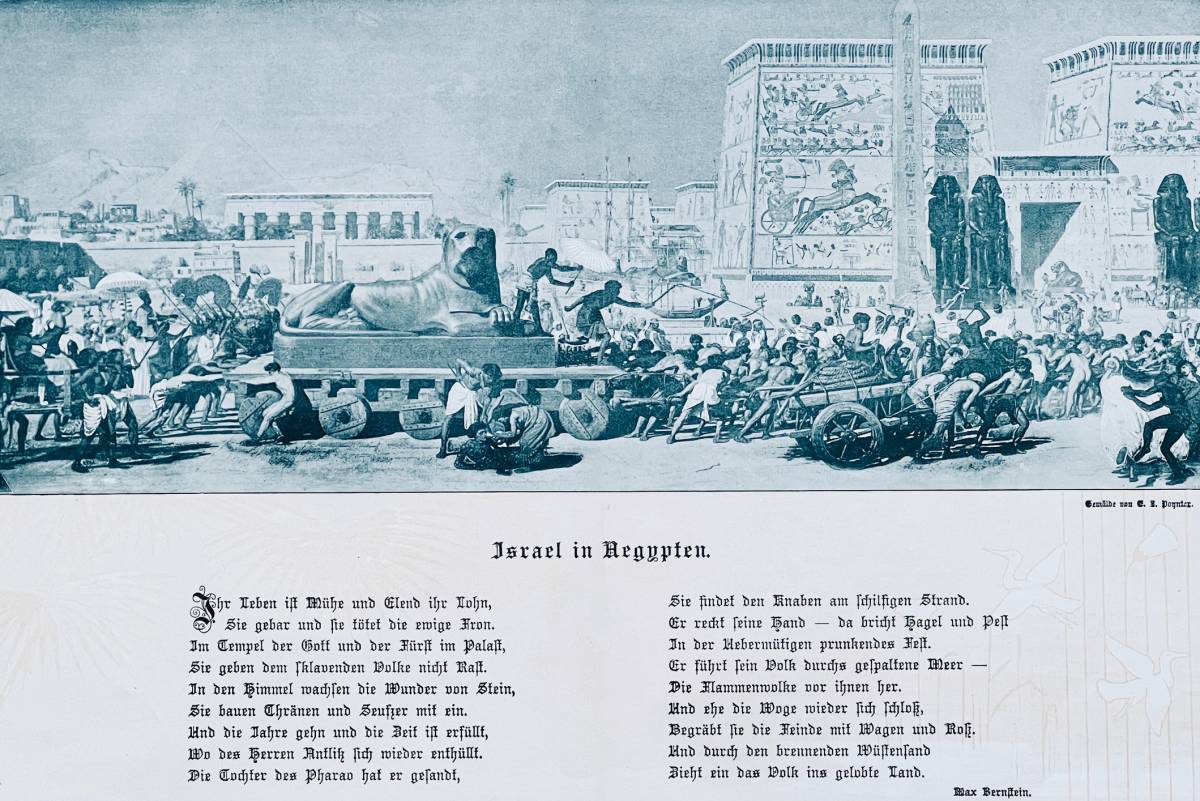
God’s wisdom is the same yesterday, today, and to the end of time. The following remarks are an attempt to offer an example of this fact. This quote comes from the Book of Deuteronomy: “The Lord, your God, is the God of gods, the Lord of lords, the great God, mighty and awesome, who has no favorites, accepts no bribes; who executes justice for the orphan and the widow, and befriends the alien, feeding and clothing him. So you too must befriend the alien, for you were once aliens yourselves in the land of Egypt” (Deut. 10:17-19).
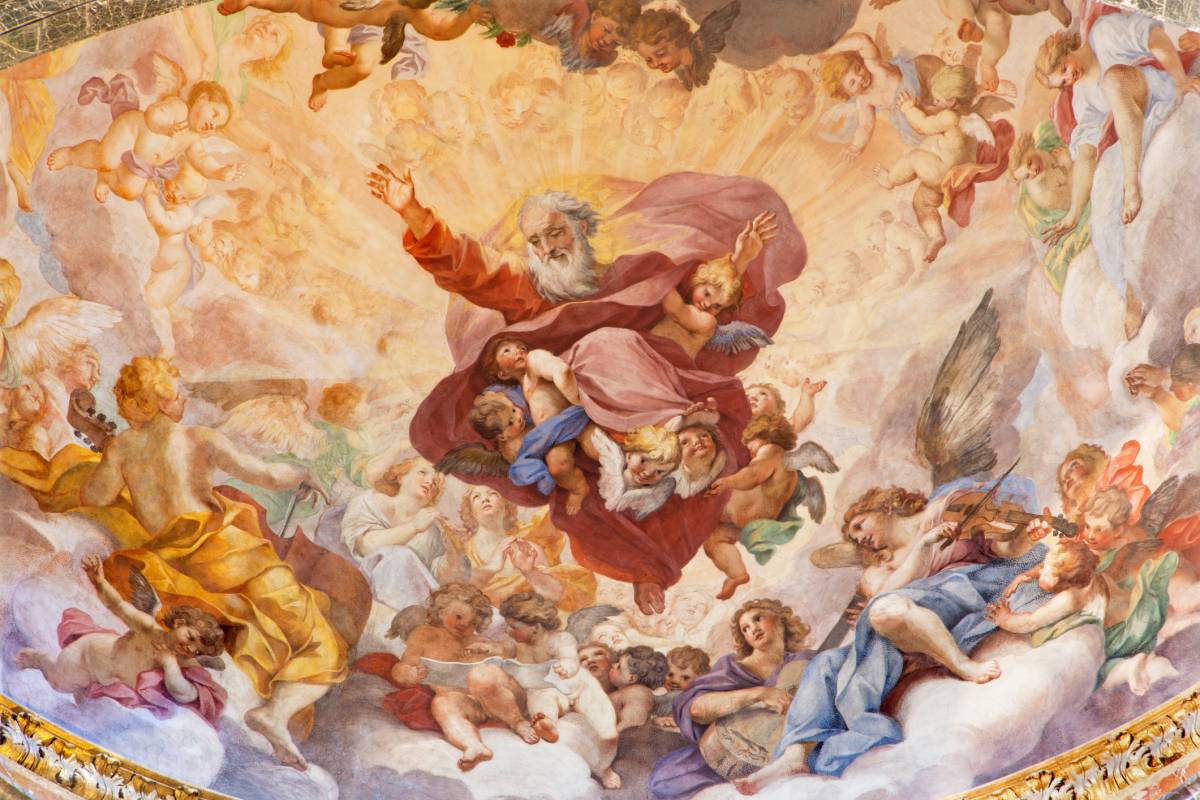
In this brief passage, we are given a sense of the awe and majesty of God. The writer describes God’s righteousness, his sense of justice, and we are given this sense by the words that the Spirit has given to the writer. He describes the nature of God with these words: “The Lord, your God, is the God of gods, the Lord of lords, great God, mighty and awesome”. And even these words seem inadequate, too small, to give us the full picture. And there is more. We see that this mighty, all-knowing, all-powerful God “has no favorites.” He loves and cares for all equally. We see that he “accepts no bribes,” that, unlike the gods of the pagans, neither his love nor his justice is changed by human guile.
Because of Original Sin, though we are created in goodness, our human nature is fallen. As a result, we can tend to act out of lesser desires, and it is the poor, the orphan and the widow, and the alien who all too often suffer from our unjust choices. In contrast, God is perfectly loving and perfectly just. We are told in this passage that he “executes justice for the orphan and the widow”. In other words, in matters of justice, he takes the side of those who are injured, forgotten, and shunted aside. We see, too, that he is no partisan, he is no xenophobe, that he makes no distinctions, that he values all with the same intensity of love and treats all with perfect justice. He “befriends the alien, feeding and clothing him.” He does not turn them away because they are not from “here”. Then this small passage ends with the real challenge, “So you too must befriend the alien,” and for the best of reasons, “for you were once aliens yourselves in the land of Egypt.”
This justice is deeply rooted in God’s nature. He who made us all in his image and likeness desires that we see the wisdom of his ways and that we might emulate him. We get this sense of God right from the earliest pages in the Old Testament. And it is echoed over and over again in the New Testament. Jesus, who is God, has come among us in human form, suffering all things but sin, even death on a cross. He is the Word of God made flesh. In him, we see and hear the voice of God speaking to us directly. In the 25th chapter of Matthew’s Gospe,l he tells the parable of a shepherd separating the sheep and the goats. We know who that “shepherd” is. In some translations, this passage is called the Judgment of the Nations. In it we hear the same message as we heard above from Deuteronomy. To those on the right, that is, those who have lived in accord with God’s will, he says, “I was hungry and you gave me food, I was thirsty and you gave me drink, a stranger and you welcomed me, naked and you clothed me, ill and you cared for me, in prison and you visited me…Amen I say to you, whatever you did for one of the least of these brothers of mine you did for me” (Mt. 25:35-36,40).
And here, too, we see the justice of this “God of gods, Lord of lords, the great God, mighty and awesome” is expressed in his righteousness, when he addresses those on the left, who did not feed the hungry, or give drink to the thirsty, or clothe naked when they saw them, maybe out of their own misplaced sense of self-righteousness, or worse, indifference. Maybe they ridiculed those in prison, maybe they rationalized their own self-concerns over the health needs of those less fortunate. And we hear the king say to them, “Amen, I say to you, what you did not do for one of these least ones [for whatever reason], you did not do for me” (v.45). Then we hear the final words of the parable, “And these will go off to eternal punishment, but the righteous to eternal life” (v. 46). This is not just a story; it is the righteous and just Word of God speaking to us directly here and now.

How are we listening to God’s word in our daily lives? How are we understanding it? What are we doing, or not doing, to and for the least of God’s children, our brothers and sisters, the hungry, the stranger, those who are ill and maybe unable to afford care, or the alien, either in our own daily lives, or at the national level? The awesome and mighty God of Abraham, Isaac, and Jacob showed his face and his nature to us in Jesus. Because of the life, death, and resurrection of Jesus, we know that we are all loved intimately by God, each one of us. But God is also just.
How can we be found among the righteous when we go before the Lord Jesus to be judged? Not by hearing his word but by doing it in all things. “Not everyone who says to me, ‘Lord, Lord’ will enter into heaven, only those who do God’s will.” Christianity is not just a book, not just a religion; it is a way of life. It is the narrow way that leads to the kingdom of God. Christians will not be made known by their fine words but by their deeds of love toward all without distinction. “By this everyone will know that you are my disciples, if you love one another” (Jn. 13:35).
SKM: below-content placeholderWhizzco for FHB