

When Mary is visited by the Angel Gabriel, she is greeted with these words, “Hail, favored one! The Lord is with you” (Lk. 1: 26). When she is told of God’s desire to enter the world through her, she asks in her innocence, “How can this be, since I have no relations with a man?” (Lk. 1: 34) In answer, the Angel tells her how this will come about, and to convince her of the fact that “nothing is impossible for God,” she is told that her beloved relative, Elizabeth, who, in her old age, has conceived a son and is in her sixth month of pregnancy. Mary, innocent and faithful, and filled with awe, humbly acquiesces to God’s request. Then she rushes off to the small Judean town where Elizabeth lives to share in her joy and to help her dear relative.

We know the story. When Mary arrives at Elizabeth’s house and greets her, Elizabeth, filled with the Holy Spirit exclaims, “Blessed are you among women, and blessed is the fruit of your womb.” (v.42). Then, she tells Mary that, “At the moment I heard the sound of your greeting, the child in my womb leaped for joy” (v. 44). Mary responds with her own ecstatic joy, saying: “My soul magnifies the Lord, and my spirit rejoices in God my Savior, for he has looked with favor on his lowly servant” (v. 45). Mary’s song of joy, arises from her awe-filled recognition of who it is that she bears within her womb and what his coming into the world will mean.
She acknowledges what has happened to her and who has done it: “From this day all generations will call me blessed; for the Almighty has done great things for me, and holy is his Name.” (vs. 48-49). Then she begins to reveal the nature of God, saying: “He has mercy on those who fear him in every generation” (v.50). The word ‘fear’ here needs to be properly understood in the sense that it was understood at the time.

We might try to imagine what it would be like to suddenly realize that you are in the presence of that which is greater than yourself, in this case, the Angel Gabriel. Would you not be trembling with awe yourself? And the message from God that he brings is even greater. Awe is an existential experience of humility, a natural response to such things. To be filled with awe, then, is the meaning of the word ‘fear’ here. Only those who are humble experience such awe, that is, fear of the Lord. Mary’s canticle is filled with her sense of awe at what all of this means. And her song reveals God’s loving mercy as the consequence of our innocent, humble awe.
In her ecstatic joy, she sings these prophetic words about the God-child she bears in her womb. She proclaims what he has done by finally fulfilling the ancient promise of salvation and what his coming will mean to the world. She sings, “He has shown the strength of his arm, and has scattered the proud in their conceit” (v. 51). The proud, those who are filled only with praise for themselves, will be scattered, tossed aside like chaff in the wind, for their self-presumed ‘greatness’ is a mere conceit, a mere puff of wind, here today and gone tomorrow.
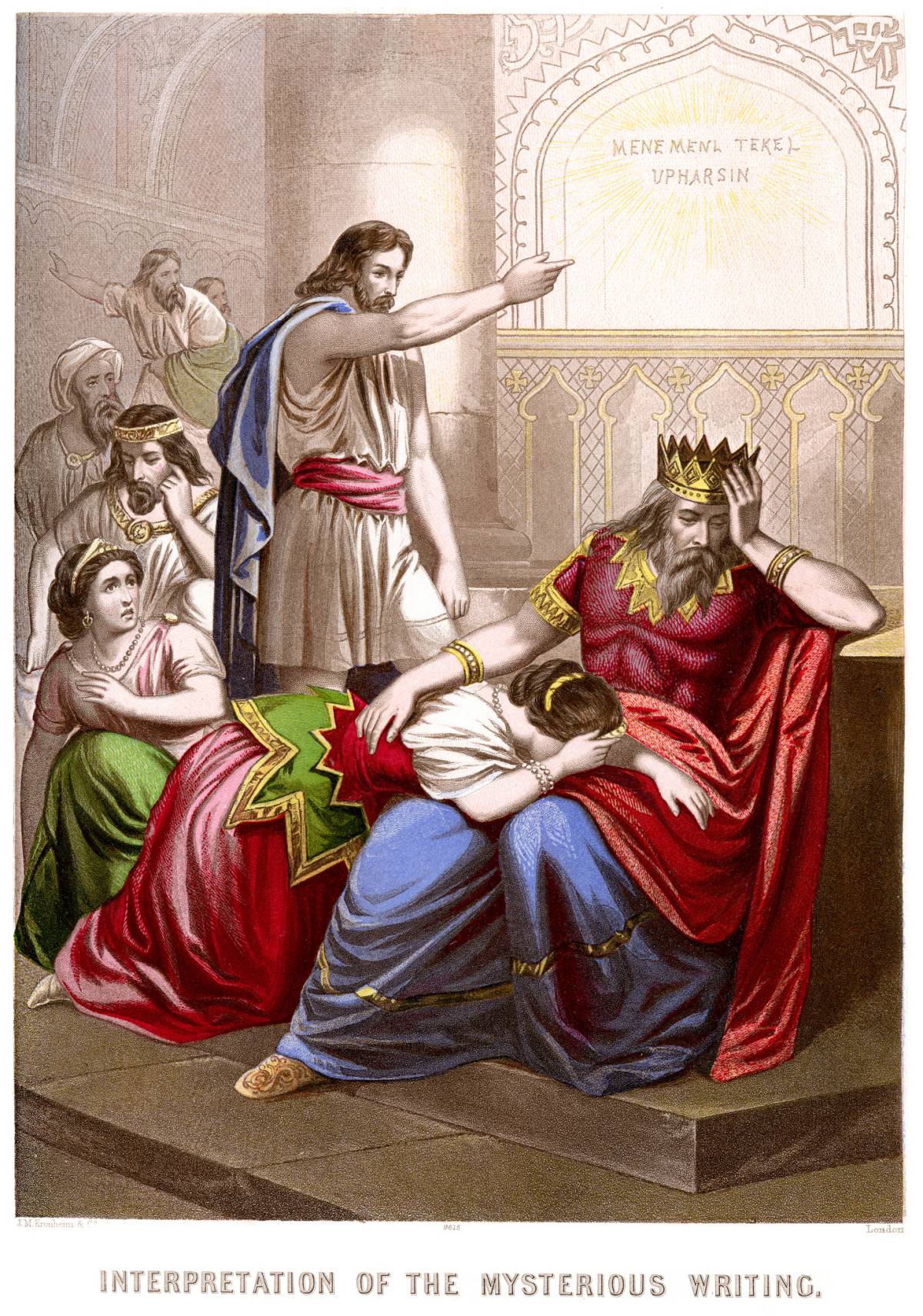
“He has cast down the mighty from their thrones and has lifted up the lowly” (v. 52). The King of kings, the Lord of lords, has come into the world; there is no other like him. This King lifts the lowly that have been crushed by the indifference, the intolerance, and the cruelty of those who claim to be mighty on earth. This promised King, who has come among us, will rule with true justice, real mercy, and infinite love, rather than threats and violence against us. This King has come to save us from that darkness of sin and death.
“He has filled the hungry with good things, and the rich he has sent away empty” (v. 53). The world creates many kinds of hunger. There is physical hunger for food that is due to poverty or injustices of one kind or another. But there are other kinds of hunger, too. Some are shunted aside by society because of how they look or behave, who suffer the hunger of loneliness, crying out for acceptance, friendship, or simple company. The greatest hunger of all is the hunger to be loved. Jesus came into the world to heal these hungers, and he calls upon his disciples to go out to heal those hungers in every age.

Finally, Mary proclaims that the promised Messiah has come and that his promise is being fulfilled. “He has come to the aid of his servant Israel, for he has remembered his promise of mercy, the promise he made to our fathers, to Abraham and to his children for ever” (vs. 54-55). Our Savior, the Ancient One, promised from the beginning, has, in fact, come. He is the reason for our hope. He is the reason for our joy. Listen! Believe! Then go humbly out to do his will. “Be not afraid.”
SKM: below-content placeholderWhizzco for FHB