

The world is full of beauty, but how often do we see it fully? Much less, how often do we recognize the hand of God in it? It is said that the artist, the writer, the poet, the composer is recognized in his or her work. If, as we believe and say, that God brought all things into being, would it not also be true that we should be able to see the hand of God in his creation? Should this not be most especially true in his ultimate creation, human beings?
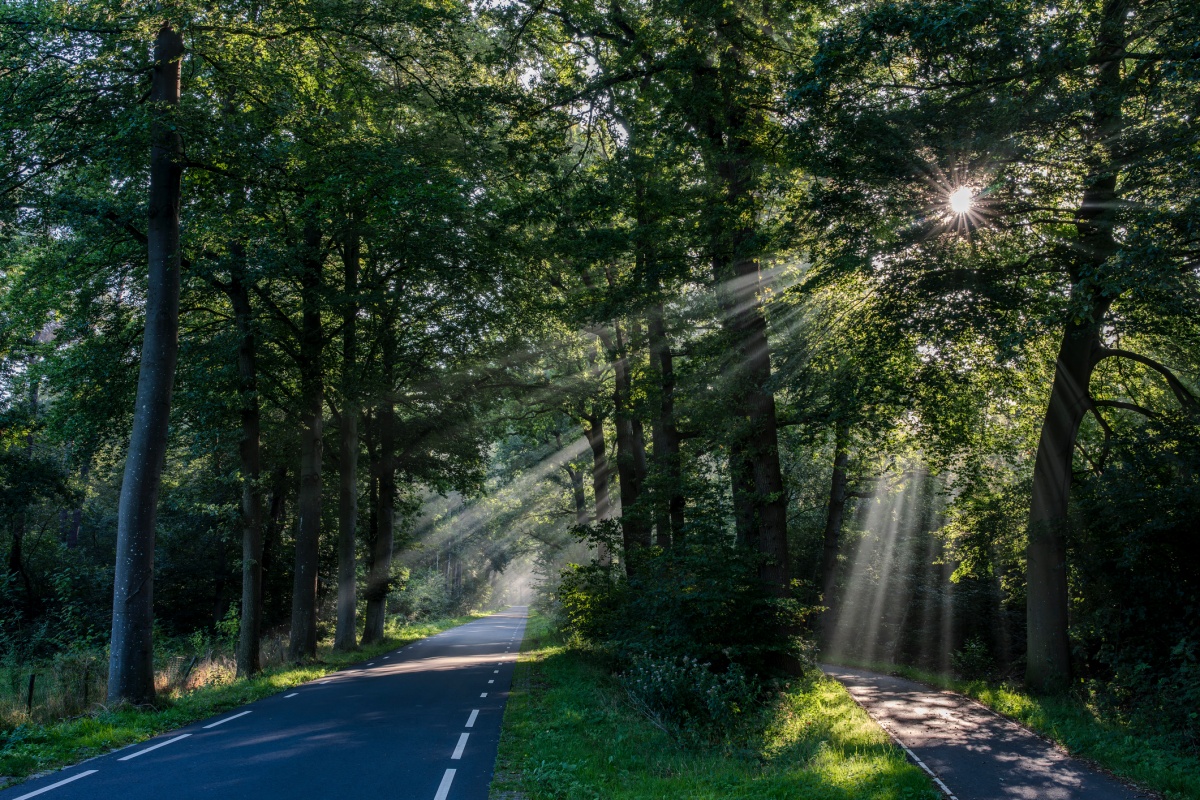
If, as we say we believe, all human beings are made in his image and likeness, including ourselves, should it not be possible for us to see God’s beauty in ourselves and in our fellow human beings? Shouldn’t we constantly pray for the ability to see the beauty of God in others? Shouldn’t we try, for God’s sake, to practice seeing God’s beauty in others, especially those that appear to have no discernible beauty in them? When we encounter beauty of any kind, are we not transported, uplifted, in our minds and in our hearts? Beauty is God’s way of sharing his joy in his own creation with us. It is his special gift to us who alone can recognize, appreciate, and participate in the experience of beauty, and even cooperate in creating beauty ourselves.
What stops us from seeing the beauty around us? What things prevent us from even trying to see the creative beauty of God in our fellow human beings? When we put all of the energy of our love into things that are not of God, that are transient, perishable, momentary desires, our capacity to see the true depths of beauty is darkened, shadowed over. Examples of those things that can take on the appearance of beauty to us, but that really blind us to it, are the Seven Deadly Sins: Pride, avarice (greed), anger (rage), jealousy, gluttony, lust, and sloth (laziness). The one thing that unites all of these blinding realities is the ego. When the self and the desires of the ego alone become the final determiner of what is good, true, and beautiful, real goodness, truth, and beauty get lost in the shadows of mere appearances and self-deceptions.
We can see this problem of the ego addressed in the passage from John’s First Letter, from which this article takes its title: “I ask you how can God’s love survive in a man who has enough of this world’s goods yet closes his heart to his brother when he sees him in need? Little children, let us love in deed and in truth and not merely talk about it.” (1 Jn. 3: 17-18). When some particular worldly ‘thing’ becomes the principal driver behind our every thought and action, it prevents us from seeing the greater beauty of God in all things, especially in our neighbor. The forty days of Lent allow us to pause and reflect within ourselves, to identify that which might be the cause of our own blindness, and to appeal to the Holy Spirit to help us recover the ability to see the light of God within ourselves and in the other.
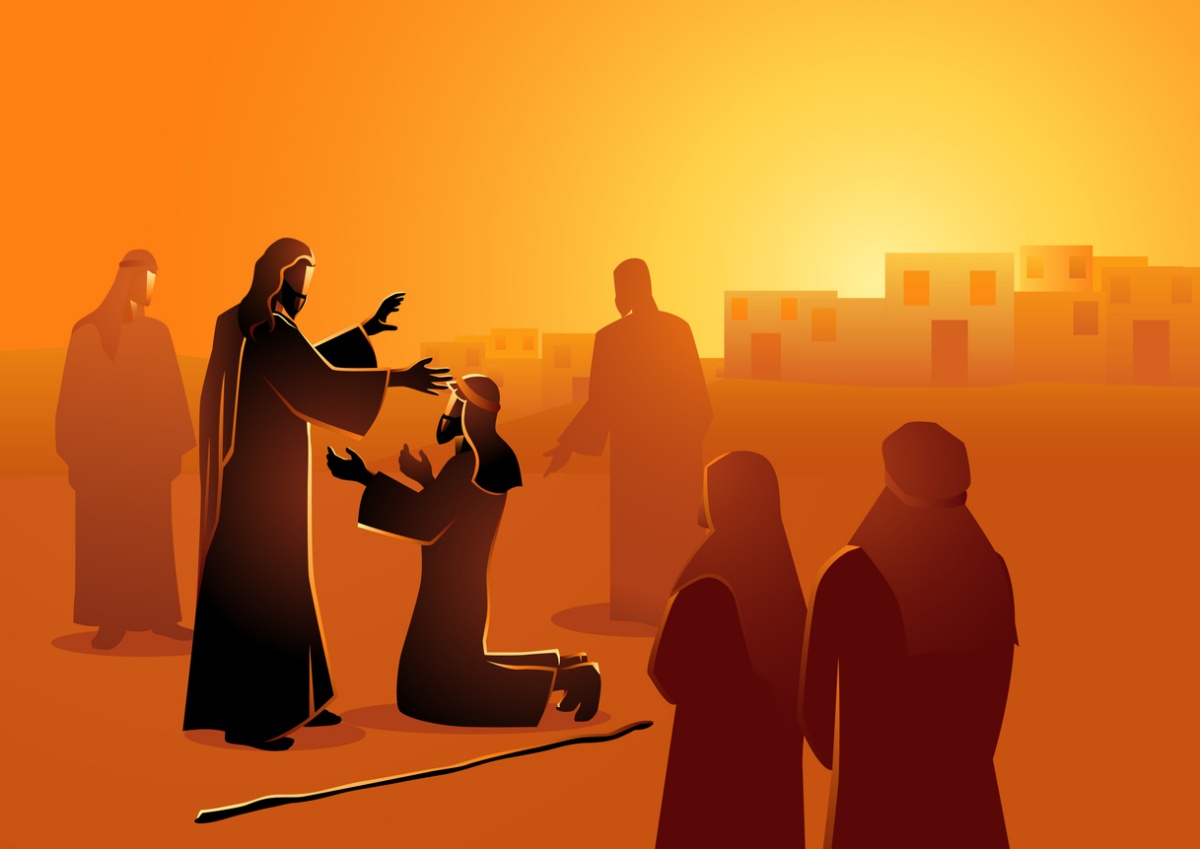
God created all things out of love. From the beginning, we have all too often, and always foolishly, walked away from that love. Jesus came into the world to be the light that overcomes the darkness of our sin and death. He did this so that our sin-shadowed eyes might be opened, like those of the blind man he cured (Jn. 9: 1-12), and we might see and then desire to turn back to that ultimate beauty that is the face of God. Lent calls us to take ourselves apart into places of quiet and solitude within our home, and within our hearts, to purposely place ourselves more attentively in the presence of God. We do this to look at the things in our lives that might be blinding us to the beauty that God has put within us and all around us. We do this out of a desire to seek and to foster that beauty in ourselves and to see it more regularly in others.
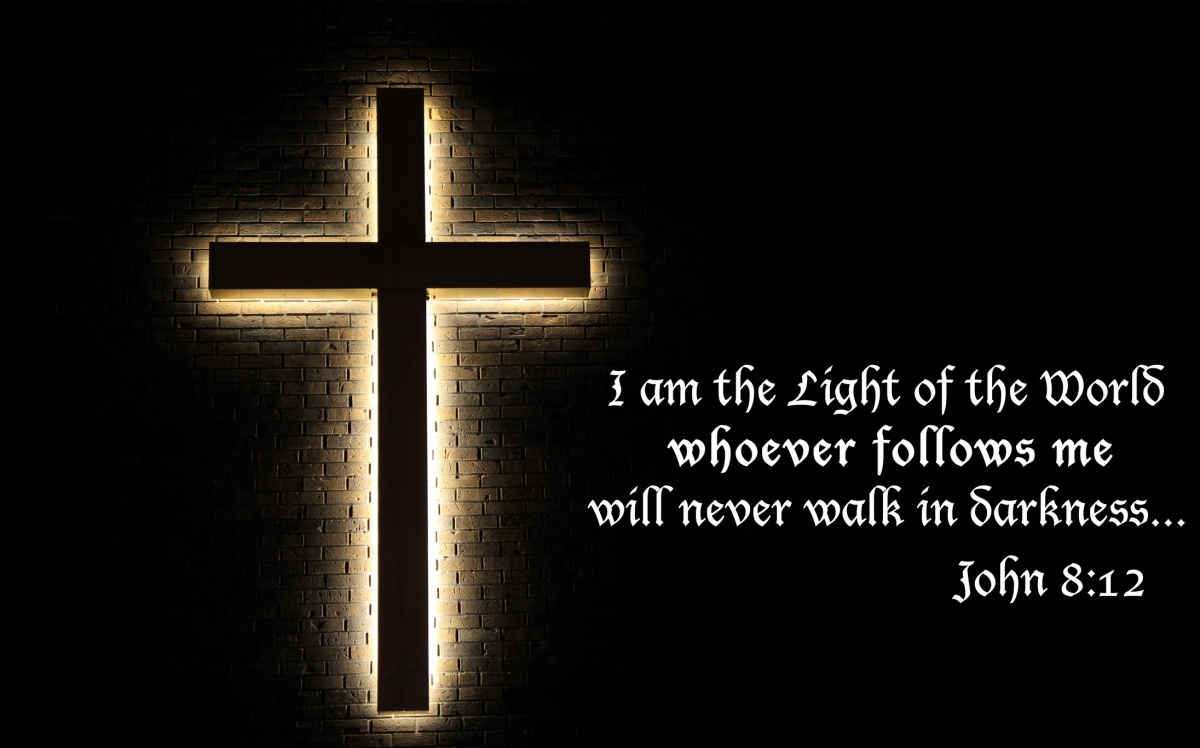
Lent is a wonderful opportunity for us to reflect on and to practice the holy virtue of humility. It is a fact that I, that is, my ego, must decrease so that Christ might increase in me. The more I surrender my ego to God, to his goodness, his truth, and his beauty, the more I will be able to live in the clarity of his light and beauty in my daily life. The world is full of God’s beauty. It is the darkness of sin that blinds us to it. Let us pray that God might open our eyes to his beauty in all things, that he would give us the grace we need to see his beauty in our neighbors, even when it seems hidden in the darkest of shadows. What might the world be like if a critical mass of Christians were able to see and to encourage God’s beauty in themselves and in all others?
SKM: below-content placeholderWhizzco for FHB