

In the end, everything comes down to the question of how we choose to live our lives every day. It is about our learning and practicing the virtue of prudence and the skills of prudent judgment. In the secular sense, prudent judgment means exercising sound, carefully considered, wise decisions. These, combined with foresight, experience, and reason, help us to achieve long-term well-being. This is especially true when it comes to the more complex situations where we have to consider the consequences and risks associated with our decisions. In the religious sense, this involves us going beyond the silver rule of ‘do no harm.’ We are called by Jesus to learn to judge wisely and to act more and more often in accord with the law of God.
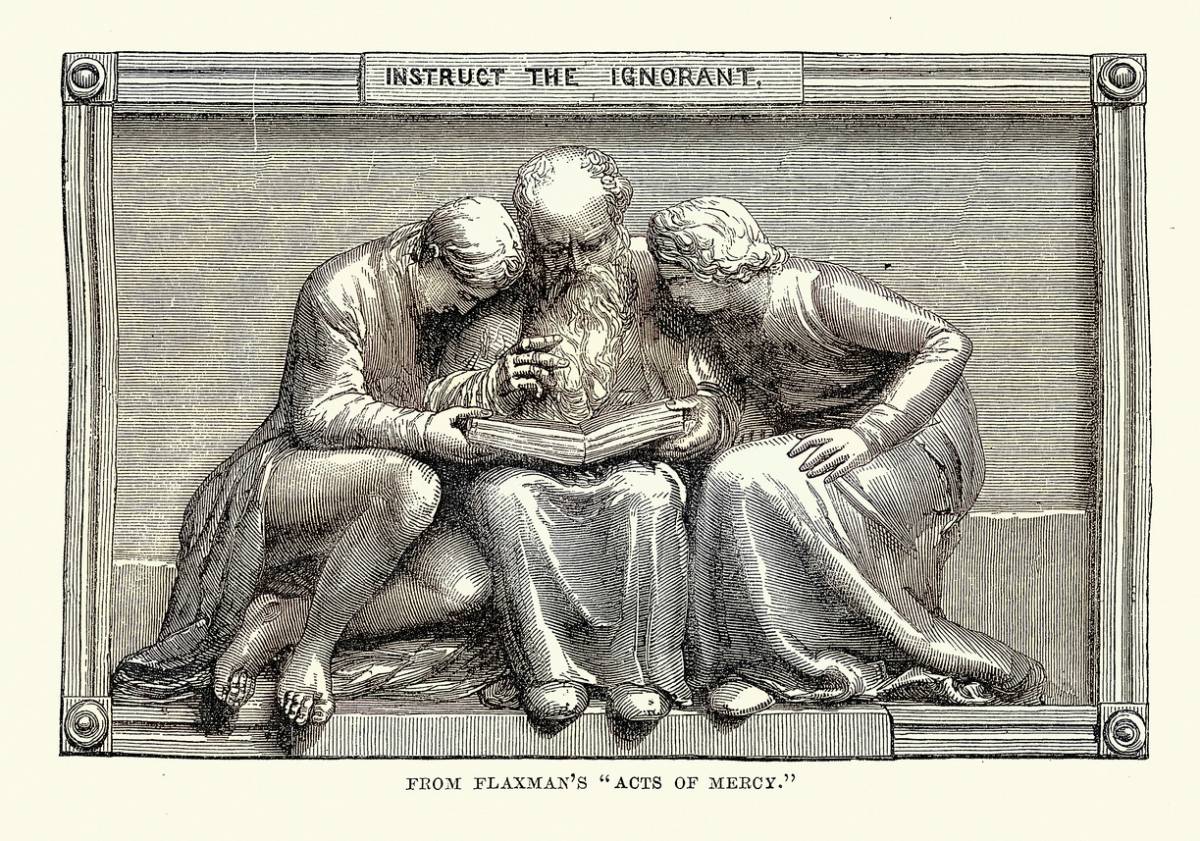
What does prudence mean? It is using the gifts that God has given us, intelligence and reason, conscience, and free will, to discern the difference between what really is good and what merely appears to be good. It is the hard work of diligently developing the habits of wisdom and courage to enable us to choose more regularly to do what is truly good and to avoid all that is truly evil and harmful. These discernment skills and the wisdom behind them are gifts of God, but because we are flawed and finite beings, our growth in these skills and in the virtues that they engender depends on both God’s grace and our personal willingness to do the hard work that is necessary to continue this life-long project of developing them. They are essential to a life well lived, to a life lived in communion with Jesus Christ.
We see in Psalm 1 these words: “Happy indeed is the man who follows not the counsel of the wicked; nor lingers in the way of sinners, nor sits in the company of scorners, but whose delight is the law of the Lord and who ponders his law day and night” (vs. 1-2). The psalmist then tells us that the reward for this behavior is a life of fruitfulness that never fades and makes one prosperous both in virtue and in life. As for those who do not develop these prudent habits of avoiding the counsel of the wicked, of staying away from those who are sinners, those who sit in scornful judgment of others, they too will have their reward. They will be “winnowed like chaff, be driven away by the wind.” When they are judged, “they will not stand, for the Lord guards the ways of the just, but the ways of the wicked lead to doom” (vs. 4-6).
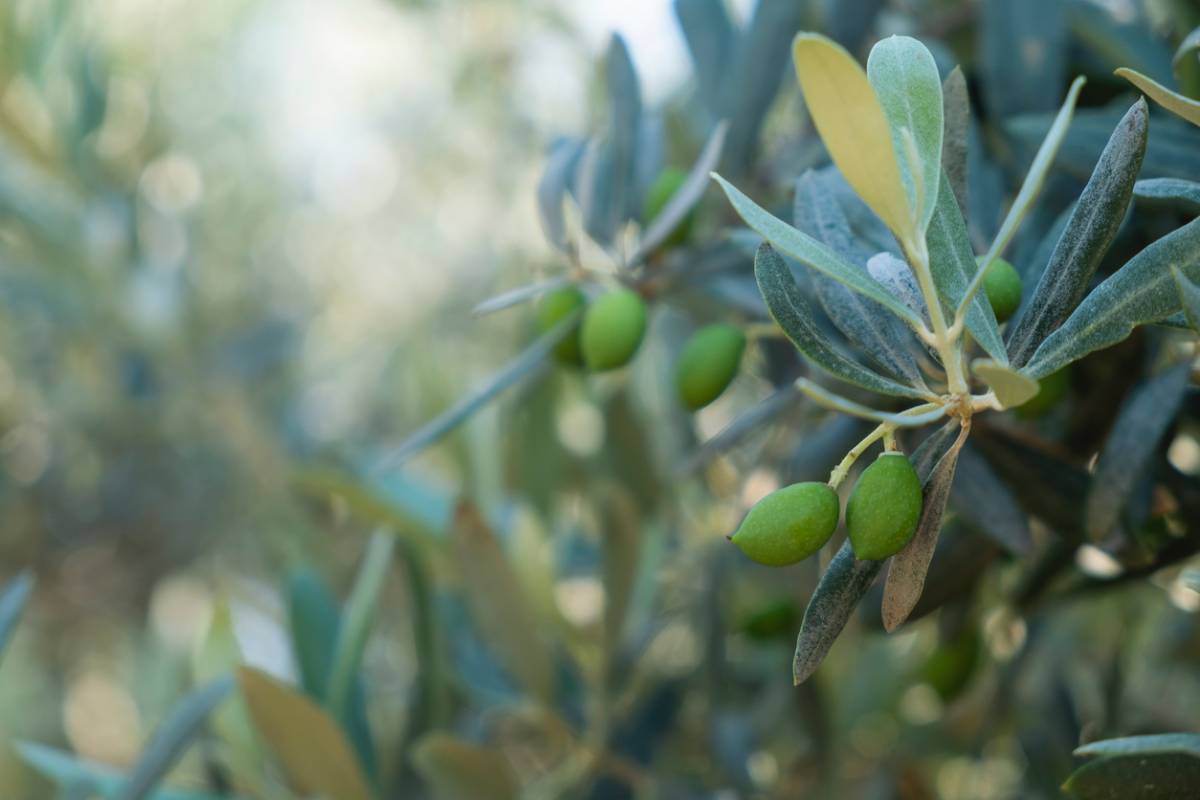
Psalm 1 is one of the shortest of the psalms, and its message is quite simple and clear: Live a prudent life, a life of good judgment, acting in accord with the wisdom of God’s law in all things. If you do so willingly, you will be like a tree growing beside His flowing waters. He will protect you and be with you in all things, here and now, and in the life to come. How do you do this? By studying and contemplating the scriptures; by discerning their wisdom for your present life; by finding ways to practice that wisdom in your daily life; by praying in solitude and silence as well as in community in your church; by observing those who already demonstrate the virtuous wisdom of prudent judgment and inviting their counsel into your own continuing efforts to gain the virtue of prudence and the skills of prudent judgment. Why would you do this? There is only one reason that would make sense of all of this, that is, your love of God and your neighbor. This is the reason for developing the virtue of prudence and its skill of prudent judgement. In loving God and neighbor, developing the habits of prudent judgment, you would be like “a tree planted beside flowing waters, that yields good fruit in due season” (v. 3).
Jesus tells us in Matthew’s Gospel, “Every good tree bears good fruit, and a rotten tree bears bad fruit. A good tree cannot bear bad fruit, nor can a rotten tree bear good fruit. Every tree that does not bear good fruit will be cut down and thrown into the fire” (Mt. 7: 17-19). He also tells us earlier in his Gospel, “Produce good fruit as evidence of your repentance” (Mt. 3:8). It is in the wisdom of the virtue of prudence that we become trees that bear good fruit. In truth, we have all been ‘rotten trees’ in our lives at times. But if we have recognized this and repented, God gives us the grace we need to once again become trees bearing good fruit in all that we say and do.
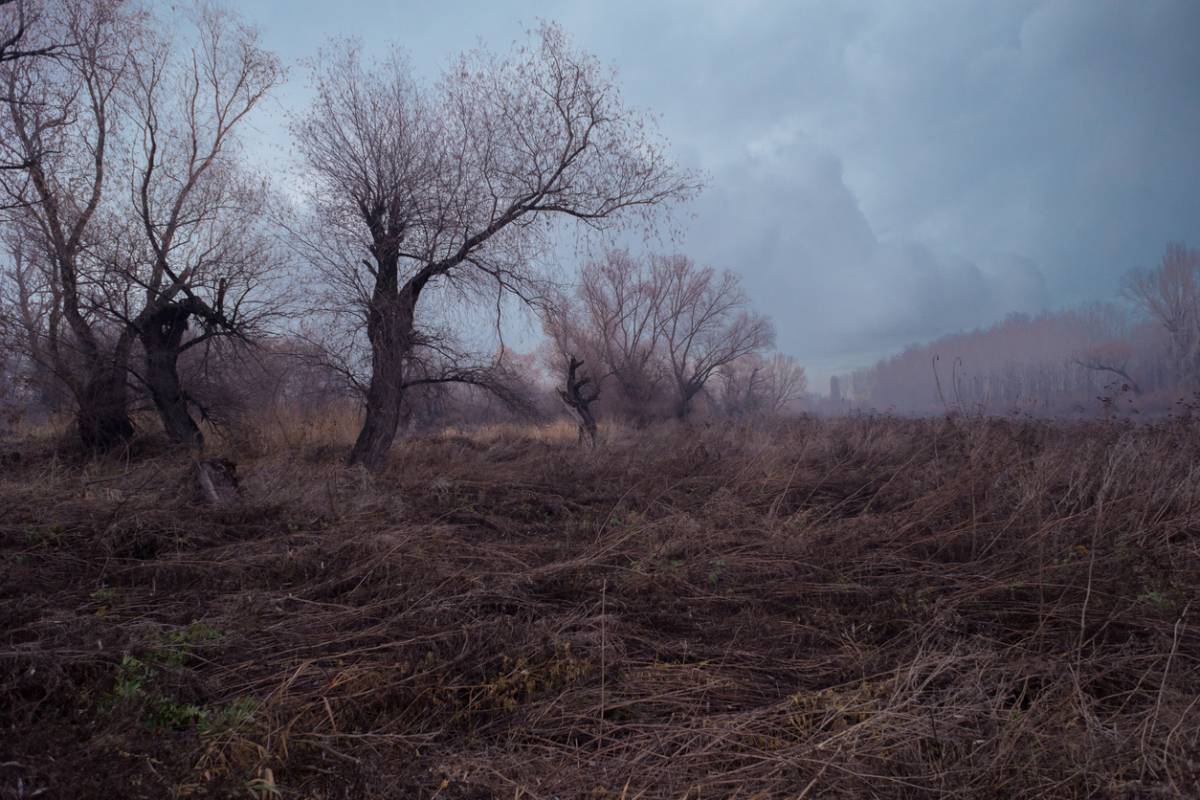
Let us turn away from those habits in our lives that cause us to be ‘rotten trees’ through our thoughts, words, and deeds toward ourselves, others, and God. Let us ask God to forgive us our sins, and for the courage and the desire to forgive those who have sinned against us. May God give us the wisdom of prudence to turn away from all those things that keep us from becoming ‘trees’ that bear only good fruit. May God relieve our fears, heal our wounds, and strengthen us where we are weak, so that we may bear good fruit in due season that is strong and sweetened with our love of God and neighbor. In Jesus’ name we pray. Amen.
SKM: below-content placeholderWhizzco for FHB