

Happiness is the deepest desire of all human beings, the end that all human beings seek in life. We ‘seek’ it because we sense that we don’t have it now. Or because we have had the experience that the things that we chase after and think will make us happy, so often fail us. Our happiness is directly tied to the gift of freedom that God has given to all human beings. The theological term for that is “free will.” Our proper or improper use of this gift of our free will results in either our happiness or our suffering.

God also gave us the gift of intellect through which we can come to know Him and His will for us. We can, over the span of our lives, come to know more and more of the wisdom of His way, His truth, and His life. Knowing God and His wisdom is the most direct and efficient way to find the happiness that we seek. We do not come into the world with all knowledge; rather, our knowledge must be formed informally by those around us, our families first, and also through the formal education processes of school and Church. The family is the first school. It is the calling, the vocation, indeed, the duty of parents to be their children’s first and most intimate teachers.
For Christian parents, that duty includes teaching the faith by both word and deed, in other words, by the joyful practice of the faith in the home and in the world. Young children naturally imitate their parents in all things. To be the best teachers for our children, we must continually be growing in our own knowledge and practice of the faith by praying together, by reading and reflecting on the scriptures together in ways that are understandable for the children at the various stages of their growth, and by joyfully ‘going to church’ as a family, honoring the Sabbath together.

It is important to expose our children to these things at home because the world is also teaching them in direct and powerful ways. They are exposed daily to TV and to the subtle appeal of advertising in all of its forms, that so readily engages their (our) desires for immediate gratification, ‘happiness’. The older they get, especially in their teenage years, when they are beginning to experiment with their freedom, they are more and more challenged by the quick and easy presence of the “smartphone” and the internet in their lives. These devices make the whole spectrum of human goodness and human depravity available to them, indiscriminately. This is why their intellects and their consciences need to be well-formed and trained in the habits of discernment.
By educating them in the faith, we give them powerful tools to be able to discern the difference between what is good for them and what is not. By freely taking on the hard work of growing in our knowledge of Jesus Christ, through studying and contemplating his words and watching his deeds, our children and we will be more encouraged and empowered to make better choices concerning our real happiness. The Scriptures give us examples of the kind of happiness we seek and wish to obtain. For example:
“Happy indeed is the man who follows not the counsel of the wicked; or lingers in the way of sinners, nor sits in the company of scorners, but whose delight is the law of the Lord and who ponders his law day and night” (Ps 1: 1-2). When our minds are trained to see, to recognize, the difference between ‘wicked counselors’ or ‘scorners’ and those who ‘delight in the law of the Lord meditating on it day and night’, we grow in our ability to choose our friends and our ‘counselors’ more wisely and prudently. We will be more able to recognize the difference between those who will lead us away from the real happiness we desire and those who lead us toward it. To put it another way, we will be freer.

In Psalm 40, we see this: “Blessed is the man who makes the Lord his trust, who turns not to idolatry or to those who stray after falsehood” (v. 5). As Christians and as citizens, we need to develop the habits of discernment and prudence in matters of moral choice, and to teach those habits to our children. It takes courage to practice the habits of making better and better moral choices and living them out in our daily lives in this world. But if we do this more and more openly, our children will get the benefit of our example. This is how we can properly pursue happiness.
We keep seeing the word “Blessed” in these scripture passages. The word comes from the Latin word Beatitudo, and translates to “happy” or “happiness”. The place in scripture where we see the most direct formula for happiness (beatitudo) is in Matthew 5: 3-10. This is the passage from Jesus’ Sermon on the Mount that we call the Beatitudes. And they are presented to us in the form of a paradox. “Blessed (happy) are the poor in spirit, for theirs is the kingdom of heaven. Blessed (happy) are they who mourn, for they will be comforted…” These words seem strange to our ears and to our minds. But a mind educated in the way, the truth, and the life of Jesus Christ can readily see how true humility, rather than blind pridefulness, is a truer means to the end of lasting happiness. A mind educated and practiced in the law of God can see that ‘mourning’ that gives rise to real empathy and compassion for those who suffer, that moves one to act on their behalf, is more conducive to a deeper, more lasting happiness.
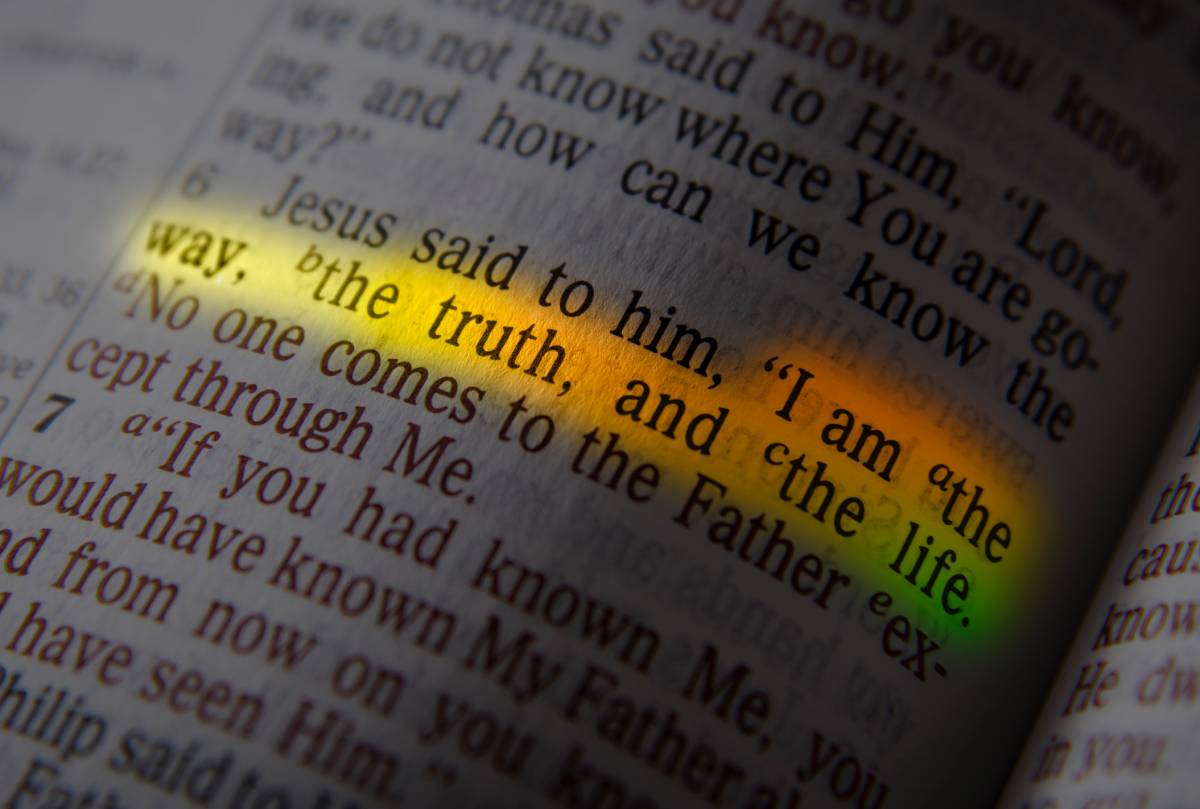
Our free will, our freedom of choice, is always exercised within the context of our fallen nature. Moral choices are never easy, but the more we learn and come to know what IS right, what IS good, what IS true, and what IS NOT, we become freer and more capable of discerning and choosing rightly. Because we are not perfect, because we are not all-knowing, we can and will make mistakes at times. Worry not. God is kind and merciful to those who return to Him. But the more we know God’s ways, the freer we are. There is a secular, legal saying that we have all heard: “Ignorance of the law is no excuse.” Our moral choices have consequences, all of them. Moral choices made out of ignorance do not free us from the consequences of either civil law or God’s law. Knowledge of God’s law does not confine or limit us in our choices; it makes us freer. This is the true source of the happiness we seek. God is good!
SKM: below-content placeholderWhizzco for FHB