

For our purposes here, we are to understand the concept of wisdom, as it is referred to in the Old Testament, not as a reference to human cleverness, nor is it to be understood as merely practical common sense. Rather, we are to think of it as a deeply theological reality that points us directly to God. In this sense, Wisdom is to be understood as having been with God at Creation and, therefore, in this biblical, theological sense, it is a prefiguring of Jesus Christ, who is that Wisdom, that Word, that was with God at Creation, made Incarnate in time, that remains available to us, even now, through the Holy Spirit. In the theological sense, then, this wisdom is seen as a skill to be learned and developed that is necessary for living our lives rightly in relation to God and our neighbor.
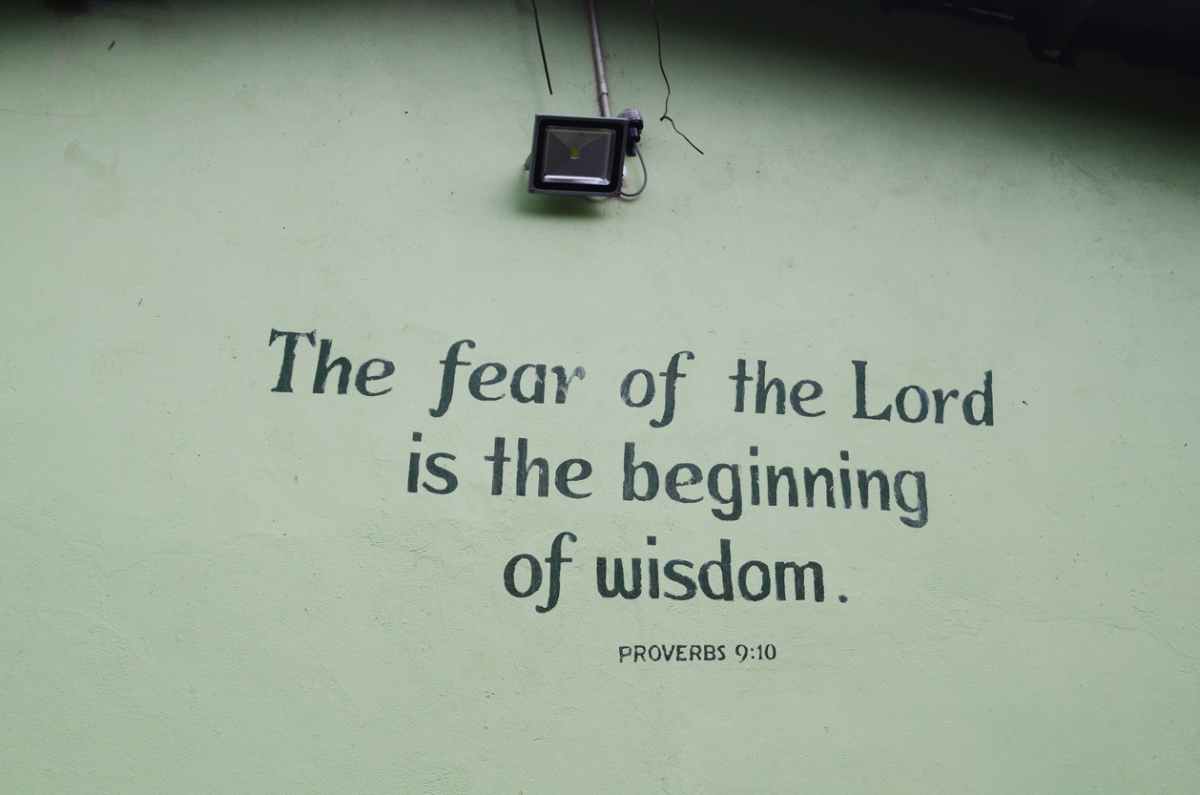
The term “Fear of the Lord” is used in both the Book of Proverbs and in the Psalms as the foundation, or “the beginning of this wisdom”. This understanding of wisdom, then, is born out of humility and our lived experience in faith. It is an awareness that God is God, and we are not. This ‘wisdom’ is gained through the study of scripture, our prayerful self-reflection, and an awareness of our own human limitations. It is a recognition that our humble obedience to the Law of God, his Divine commandments, is what enables us to live a life of truer meaning and purpose. Through our humble obedience to the Law of God, we can wisely avoid the self-destructive effects of evil. In that sense, it is wise to fear the loss of this wisdom.
This ‘fear of the Lord’ does not refer to a paralyzing terror or dread of punishment; rather, it is to be understood as a deep, God-centered respect, a humble awareness of who we are in relation to the divine holiness and majesty of God. It is, in that sense, a proper and righteous awe that encompasses both a humble awareness of God’s infinite majesty, his abiding love, and caring presence to all Creation, along with a personal, experiential recognition of our own finiteness, our own brokenness and helplessness in the face of the great mysteries of suffering and death. It is an awed awareness of our need for God, not of his ‘need’ for us.

Such wisdom cannot be built on human pride, or on things as ephemeral as our fleeting feelings, or ever-changing cultural trends. This theological wisdom begins only when we recognize who we are as creatures in relation to our Creator. In the Book of Job, one of the wisdom books of the Old Testament, we encounter the mystery of human suffering. Job does not deal with this mystery in a simplistic sense, believing that the righteous always prosper and those who do evil are always punished immediately. Rather, Job addresses our human limitations in the face of the mystery of suffering and our inability to fully grasp the complexities of that mystery. Ultimately, we find that the peace we desire can only come through our wise surrender to the providential wisdom of God’s law.
In Psalms 14 and 15 we see this wisdom: “Happy is the one who meditates on wisdom, and reflects on knowledge” (Ps. 14:20). Then, in Psalm 15 we read these words. “She (Wisdom) will nourish him with the bread of understanding, and give him the water of learning to drink.” Those who have come to know and to desire to live in accord with wisdom can then “lean upon her and not fall; he will trust in her and not be put to shame. She will exalt him above his fellows; in the assembly she will make him eloquent. Joy and gladness he will find, and everlasting name inherit” (vs. 3-6).

This theological ‘wisdom ’, born out of the proper understanding of the biblical ‘fear of the Lord’, is the light that enables us to see the right paths to walk in our lives. This wisdom shows us the way, the truth, and the life that is Jesus Christ. It is wisdom that helps us to know God’s Law and be consistent with it in our thoughts, words, and deeds. This wisdom also gives us the living hope of God’s loving forgiveness when we fail. Thanks be to God.
More to Explore
SKM: below-content placeholderWhizzco for FHB