
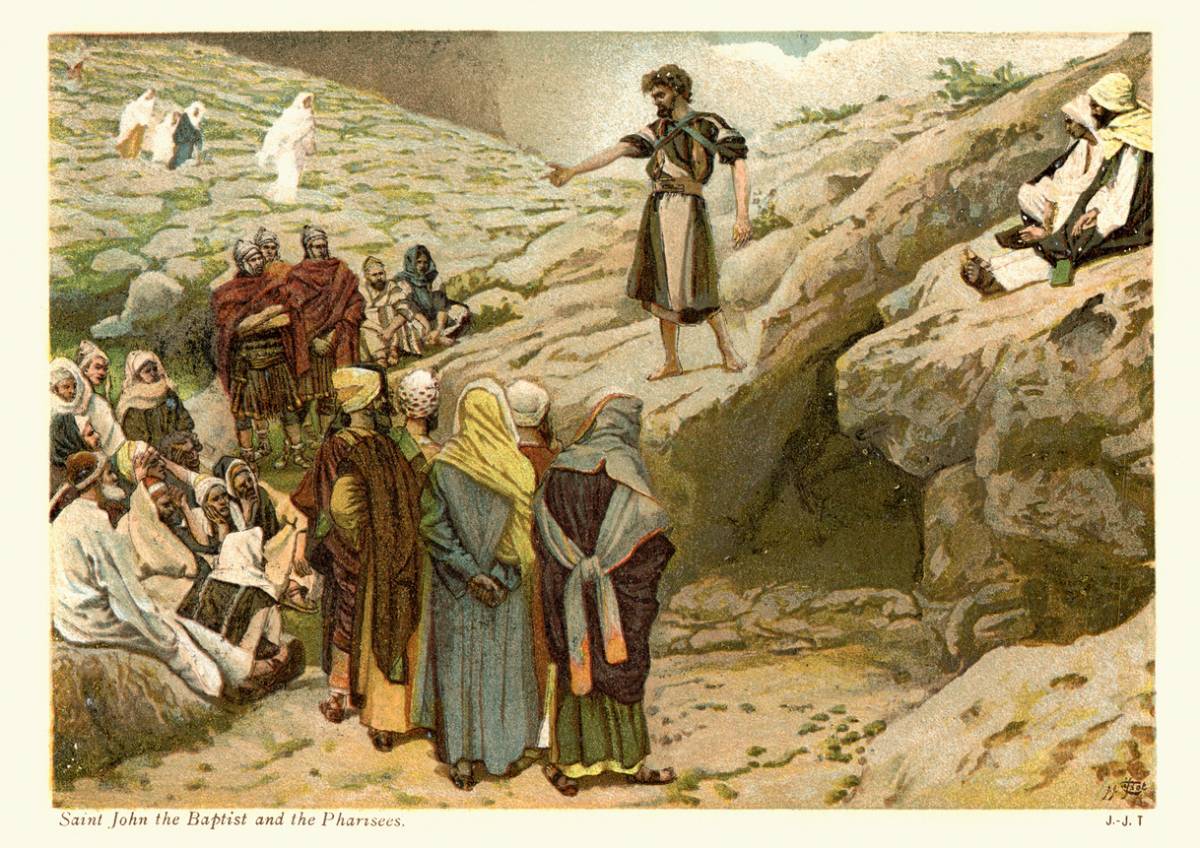
“I see him, though not now; I behold him, though not near; A star shall advance from Jacob, and a staff shall rise from Israel.” These words, as all of the Old Testament and the prophets, bespeak of and foretell of the coming of the promised Messiah to redeem the world. And as the promise foretells, his coming will change everything. John the Baptist was the last of those prophets and, just as with all of the other prophets before him, his preaching upset the supposed equilibrium of his times, his society. And why not? His message was one of repentance, a recognition that what is wrong with the world begins within the depths of each human heart. It is there that the change must happen. Without this “change”, this desire for repentance, within each of us, how can we begin to prepare a way for the Lord to enter our hearts, or into the world now? We remember, too, what the powerful people of his time did to John the Baptist for upsetting their small certainties?
Well, if John the Baptist’s words upset the equilibrium of his time, Jesus’ words upset it even more. He was and is the promised and long-awaited Messiah that we celebrate at Christmas each year. His words, his preaching, indeed, his very personhood, challenged and upset all of their small and presumed important ‘certainties’. If we are honest with ourselves, Jesus is a constant challenge to our own presumed certainties about him and the meaning of the Incarnation here and now, too.
This is a perfect reflection for all of us in this Advent season before Christmas. How many of our self-proclaimed ‘certainties’ might be getting in the way of our efforts to prepare our own hearts, minds, and souls to receive the Lord each day? How many of our self-proclaimed certainties are really unrecognized falsehoods, misinterpretations of the truth, or understandings rooted in innocent ignorance? How many of these do we base our decisions and actions upon in the world? How many of those flawed decisions and actions actually cause real harm to ourselves and to others? Do we hear the “voice of John the Baptist crying out in the wilderness of our own consciences, “Repent, for the kingdom of God is near… Prepare the way for the Lord, make straight his paths” (Mt. 2-3)?

It is our prideful, self-proclaimed certainties that cause us to lose our way, to sin, and thereby, to cause harm. On the other hand, it is our recognition of our sins and our need for forgiveness that makes it possible for us to make straight the path of the Lord into our hearts, minds, and souls. At the moment of this recognition, God instantly and readily offers us his mercy and forgiveness. This is why the psalmist can say with such joy: “Happy the man whose offenses are forgiven, whose sin is remitted” (Ps 32:1).
In that same psalm, we also see a profound truth about God when he writes of God saying to us: “I will instruct you and teach you the way you should go; I will give you counsel with my eye upon you” (v. 8). Where do we find this instruction and counsel? In Scripture, in prayer, through sharing our faith in our communal worship. God is not an arbitrary judge; he generously ‘instructs’ us as to the ways we should go in this life on our pilgrimage toward his eternal kingdom. And He gives us the freedom and the responsibility to accept his instructions and His counsel, or not. God knows how difficult it is for us to know and to stay on the narrow path to his kingdom. He does not abandon us, even when we ‘get lost’. He is always ready with his mercy and forgiveness, yet never takes away our freedom or responsibility.
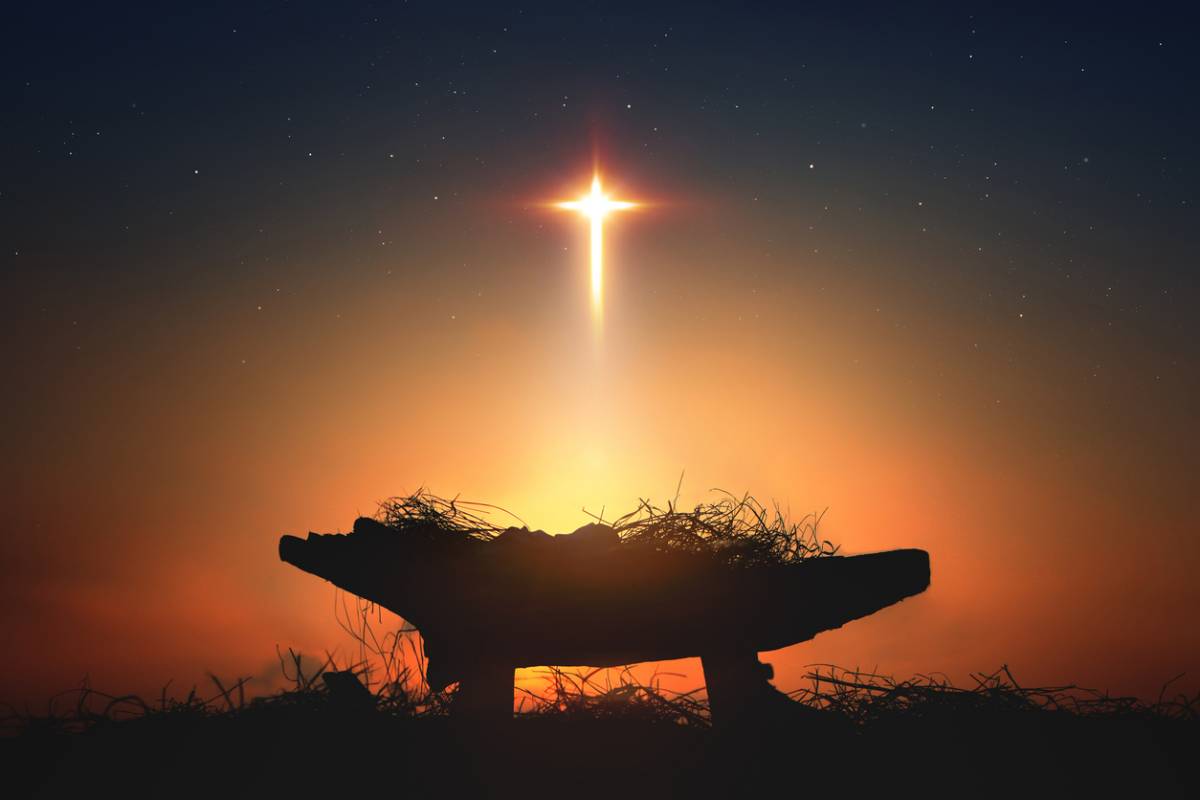
Jesus came among us in the flesh 2,025 years ago. He died for our sins, was buried, and rose again, and ascended back to his Father in heaven. He remains with us now in his Holy Spirit. And, as he promised us, “He will come again in glory to judge the living and the dead, and his kingdom will have no end.” (Nicene Creed) So, while we take this time of year in the weeks before Christmas to reflect on and to celebrate his coming into the world as an infant child two millennia ago, we are also reminded that he will come again at the end of the age. We are called upon and challenged, even now, to continue preparing a way for the Second Coming by humbly and honestly listening to and seriously contemplating his instructions and counsels, and putting them into practice in our daily lives. We are to recognize our own personal need and the need of the world to repent of our current ways. We are charged to live sanctified lives in our own moment in time. This may upset the equilibrium of our small certainties, and it will certainly upset those of the world. In doing so, we are truly preparing a way for the Lord to enter into our own selves and ultimately into those small parts of the world we inhabit in our daily lives.
SKM: below-content placeholderWhizzco for FHB