

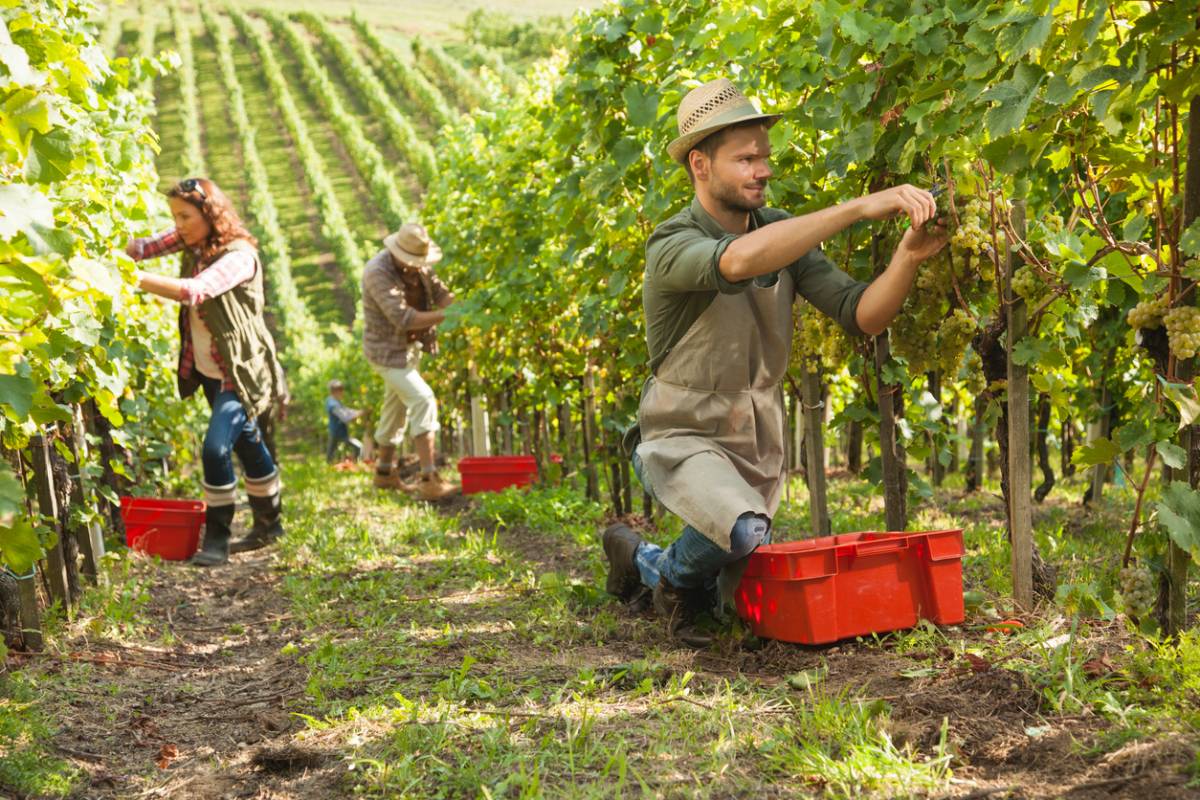
Our Christian faith is rooted in paradox. So often we encounter passages in the Gospel where the words of Jesus challenge the ‘wisdom’, or the ‘logic’ of the world. When he does, He flips that worldly wisdom and logic upside-down, giving us an entirely different perspective. We see this in the passage from Matthew’s Gospel where Jesus tells the parable of the Workers in the Vineyard, Mt. 20:1-16. We know the story. The owner of the vineyard goes out early in the morning to find and to hire workers to help him harvest his grapes. He negotiates with the laborers on a fair wage for the day and then sends them out into the vineyard to go to work. He does this several more times throughout the day, even right up to the last hour of the workday.
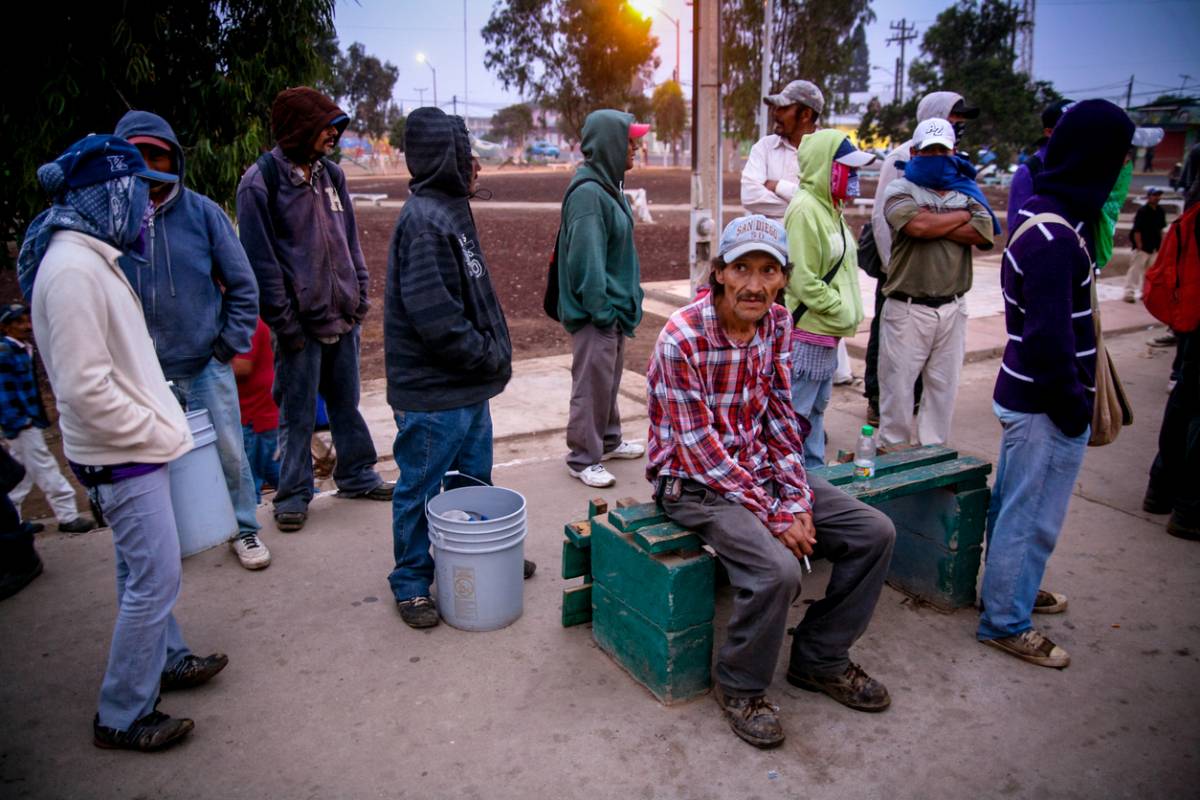
At the end of the day, the owner gives instructions to his manager to call all the laborers together to give them their pay, beginning with those last hired to the first. The last hired received pay for a full day’s work, the same pay that the first workers agreed to with the vineyard owner. When those first hired see this, they imagine that they will be paid more than the agreed-upon wage because they had worked all day in the blazing sun. But they, too, received the daily wage that they had agreed upon. We are then told that they “grumbled” against the landowner. They argue their case with recognizable worldly logic: “These last worked only one hour, and you have made them equal to us who have borne the burden of the day and the scorching heat” (v. 12). Let’s be honest with ourselves, deep down, we find ourselves agreeing with their argument. We would be outraged and call the landowner’s actions unfair, even unjust. In today’s worldly terms, we would probably bring a lawsuit against such a person for damages. And we would probably ask for more in damages than the original payment agreement that we had promised to abide by.
Here is where Jesus turns things upside-down. The landowner responds with a logic of his own. He tells those who were hired first, “Friend, I am doing you no wrong; did you not agree with me for the usual daily wage? Take what belongs to you and go. I choose to give to this last [worker] the same as I give to you. Am I not allowed to do what I choose with what belongs to me? Or are you envious because I am generous? So the last will be first, and the first will be last” (vs. 13-16). If we take this as a story, we could critique its method, theme, and argument with a passionate, moral vigor. The owner’s response does not fit the logic of the world, certainly not of our time. His ‘generosity’ toward the last, or to put it another way, the least among us, bothers our ‘post-modern’ sensitivities. We would argue that we are more sophisticated than that in our age; that we have come to recognize labor rights, fairness, and justice in more learned ways than were understood in Jesus’ time. But this would miss the point of this parable altogether.
If this were just a labor story, all of those arguments would be fair game. But it is a parable, a kind of morality play that is meant to reveal a much deeper wisdom, a divine wisdom. The landowner, of course, represents God, not just a particular vineyard owner. The workers, of course, represent all of us. Through this parable, we are challenged by Jesus to see things as God sees them, through his eyes and wisdom. We see in terms of worldly status. The wisdom of the world teaches us to be concerned about ourselves and our self-centered desires. We so often see justice and fairness from the perspective of self-concern and a sense of entitlement. More often than not, we see in terms of risks and rewards and translate this method of measurement to our relationship with God. We think in terms of ‘tit for tat’, or ‘You scratch my back, I’ll scratch yours’. But this is immature thinking. Jesus is calling us to a more mature, adult faith and relationship with the Owner of the vineyard, one that is not focused inward, but that sees the wisdom of a self-giving relationship with others, especially with God.
We are the workers that God has called to work in his vineyard. Do we understand the privilege and high level of responsibility this entails? God has asked us to participate in the awesome work of salvation in the vineyards of the world. We are called to work in the fields that are closest to us, our families, and those whom we encounter in a myriad of different ways in our daily lives. Some of us come to a full, faithful, and active relationship with God early in life. Others of us may not come to such a relationship with God and others until the middle of our lives, and still others may not get there until their deathbeds. God is not concerned with when we begin our relationship, but with the depth and the sincerity of our faith, no matter how early or late we have come to it. His generosity is not confined by the limits of worldly measures. It is transcendent and inestimable. Thanks be to God!
SKM: below-content placeholderWhizzco for FHB