
The English poet William Wordsworth understood the issue this passage in First Corinthians addresses when he wrote his poem, “The World Is Too Much With Us”. “The world is too much with us; late and soon,/ Getting and spending, we lay waste our powers…” The sentiment of this early 19th-century poem did not reveal anything new to us about our human propensity to put our full trust and faith into the pursuit of worldly things like wealth, power, and fame. It is a story as ancient as the Tower of Babel. And it is as present now as it was then, maybe even more so.

For the believers in the early days of the Church, as for those who believe today, “…the message about the cross is foolishness to those who are perishing, but to us who are being saved it is the power of God” (1 Cor. 1: 18). To be persuaded that the cross reveals the wisdom of God is a matter not of worldly wisdom, or of human reasoning; rather, it is a matter of grace and faith. Then and now, Christian believers are often accused of being fools for believing in such things. And yet, this faith in the ‘foolishness’ of the cross has seen and survived the rise and the fall of every empire, of every heresy, of every proudly proclaimed human ideology since the time of Christ to the present and, despite all of the prideful accusations of the ‘wise’ and powerful in the world today, it will continue to do so until the end of time. We have Jesus’ word on that.
“God chose what is foolish in the world to shame the wise; God chose what is weak in the world to shame the strong; God chose what is low and despised in the world, things that are not, to reduce to nothing things that are, so that no one might boast in the presence of God” (vs. 27-29). People of faith, through the gift of grace, knew then and know now that the suffering figure pinned to that cross was the beginning, the end, the whole story of God’s love, mercy, and salvation. Those who believed then and those who believe now know that the Person suspended on that cross, condemned by unjust worldly wisdom, is the only power that can save the world.

God has turned human standards of wisdom, power, and status completely upside down in the reality and meaning of the cross. No human wisdom or power, for all of its bravado and boasting, has ever saved us from our own real, unrecognized, and recurring foolishness, or ever will. Our belief in the transcendent meaning of that seemingly foolish death on the cross has the power to awaken us to our own foolishness. No human wisdom or power has ever saved us from our true foolishness, or ever will. Only the real power and wisdom of the cross can save the world.
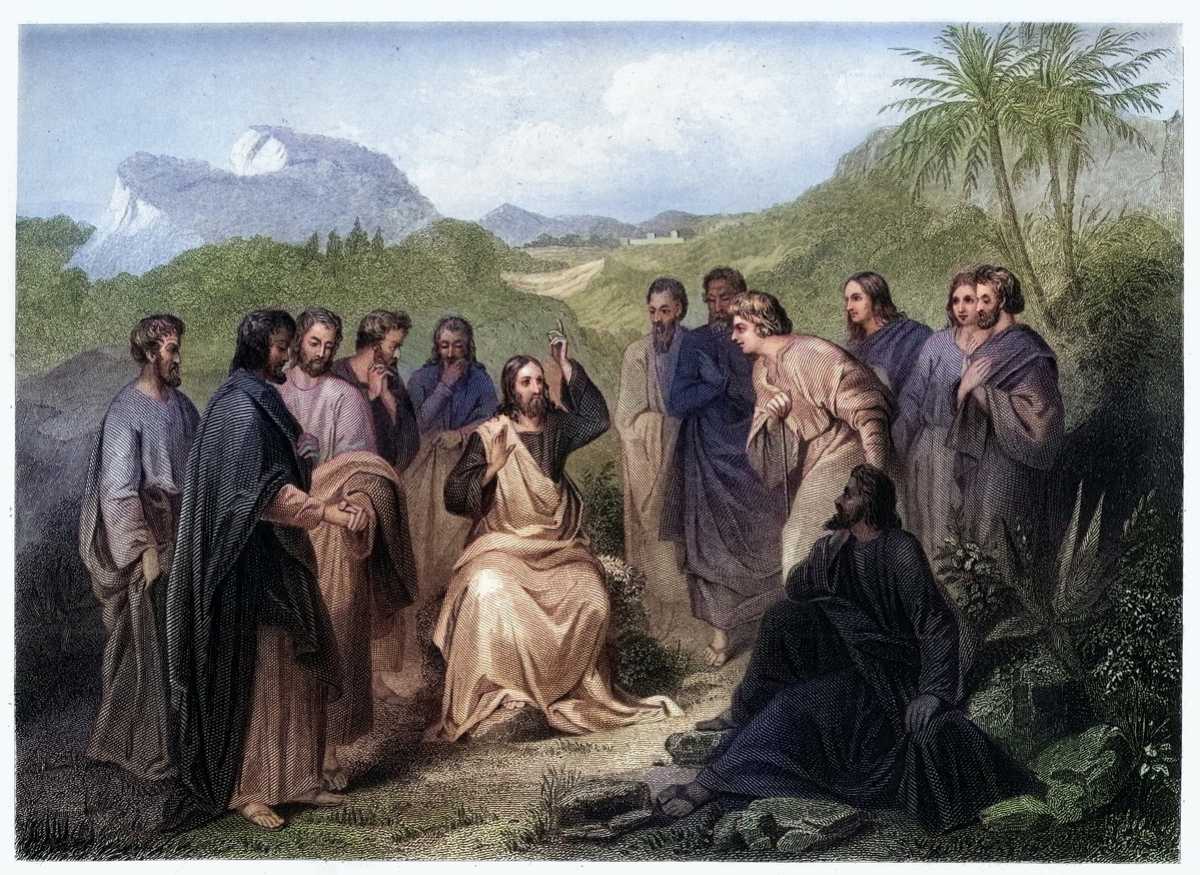
Probably the most stark teaching of God’s wisdom in the Gospels, that turns the wisdom of the world upside down, is Jesus’ Sermon on the Mount. “Blessed are the poor, for the kingdom of God is yours. Blessed are you who are now hungry, for you will be satisfied. Blessed are you who are now weeping, for you will laugh. Blessed are you when people hate you, and when they exclude and insult you, and denounce your name as evil on account of the Son of Man…” (Lk. 6: 20-26). Then this: “But I say to you that listen, love your enemies, do good to those who hate you, bless those who curse you, pray for those who abuse you” (Lk. 6:27-28). These ideas, according to the wisdom of the world, then and now, are deemed to be utter foolishness. The world says, “Hate your enemy; get revenge for any harm done to you; and do to others before they can do to you. But even a ‘fool’ can see where that kind of ‘wisdom’ has gotten us.
Mary, still pregnant with Jesus, proclaimed this upside-down “wisdom of God” on her visit to her cousin, Elizabeth, whose own son leapt in her womb at Mary’s greeting. In humble joy, Mary sings: “My soul magnifies the Lord and my spirit rejoices in God my savior…He has shown the strength of his arm; he has scattered the proud in their conceit. He has cast down the mighty from their thrones, and he has lifted the lowly. He has filled the hungry with good things, and the rich he has sent away empty” (Lk. 1: 46, 47, 51-53). Mary’s proclamation in the Spirit flies in the face of the claims of worldly wisdom that argue pride, power, and the pursuit and acquisition of material wealth are the true sources of our happiness. Ironically, reality tells us that these ‘wisdoms’ are more often than not the very sources of suffering, ours, and the very real suffering of others.
Though the great majority of us are often held to be ‘weak, or lowly, or unimportant’ in the eyes of many of those who consider themselves wise in the ways of the world, God, in his transcendent wisdom, has chosen those who are ‘foolish’ enough to believe in the crucified and risen Christ to be his disciples, his apostles in the world today, yes, even in the face of the world’s passive or active ridicule and rejection. A caveat here: In truth, even those who are wealthy, or powerful, or famous can be awakened to the divine wisdom of being lowly, meek, and humble. If they come to hold the wisdom of the cross as paramount to worldly desires, God can use them as models of Christian, Gospel-inspired generosity and mercy. They, too, can become true disciples in the kingdom of heaven.
Lord, we pray that you grant us the wisdom to seek your love, rather than worldly honor. Strengthen us in fidelity to your wisdom amid the uncertainties of our day. Grant us freedom of spirit to rejoice in your wisdom in every circumstance we encounter throughout our day. We pray in your name, Jesus. Amen.
More to Explore
SKM: below-content placeholderWhizzco for FHB