

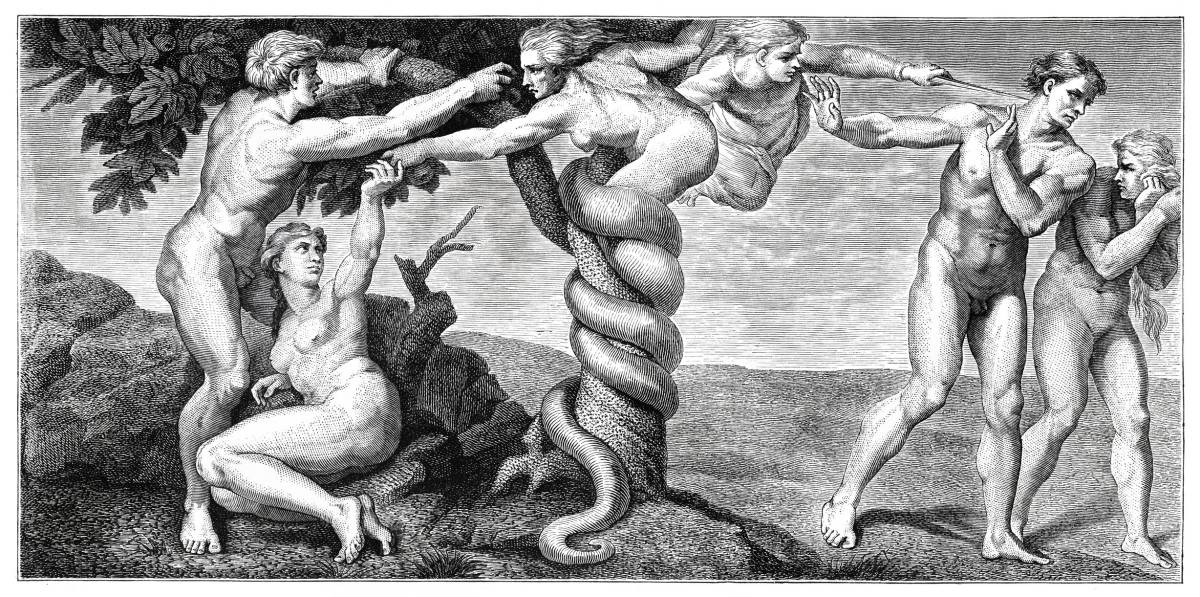
As Scripture reveals to us, the first sin, the one through which humanity lost its natural home in Paradise, was the sin of pride. This attitude of pride is the father of the manifold forms of sin and the source of all of our suffering. So what is the remedy for our suffering, our prideful acts? It can be nothing less than the difficult, hard-won virtue of humility. God, in his infinite wisdom, made us free. He gave us intellect, conscience, and free will. We are responsible for the consequences of all of our decisions. To paraphrase the Lord, “I put before you pride and all of its damaging consequences, and humility and all of its bountiful benefits; choose one.” So what do the Scriptures tell us about humility?
In Philippians 2:3-4, we hear this: “Do nothing out of selfish ambition or vain conceit. Rather, in humility value others above yourselves, not looking to your own interests but each of you to the interests of the others.” Paul tells us in Colossians 3:12, “Therefore, as God’s chosen people, holy and dearly loved, clothe yourselves with compassion, kindness, humility, gentleness and patience.” Each of these virtues is the offspring of the central virtue in this list of virtues, that is, humility. Humility, after all, is the genesis and the power behind all compassion, kindness, gentleness, and patience. In both Matthew 23:12 and Luke 14:11, we see this: “Those who exalt themselves will be humbled, and those who humble themselves will be exalted.” And we are taught in James 4:6 and 10 that God “opposes the proud and shows favor to the humble” (v. 6), and “Humble yourselves before the Lord, and he will lift you up” (v. 10).
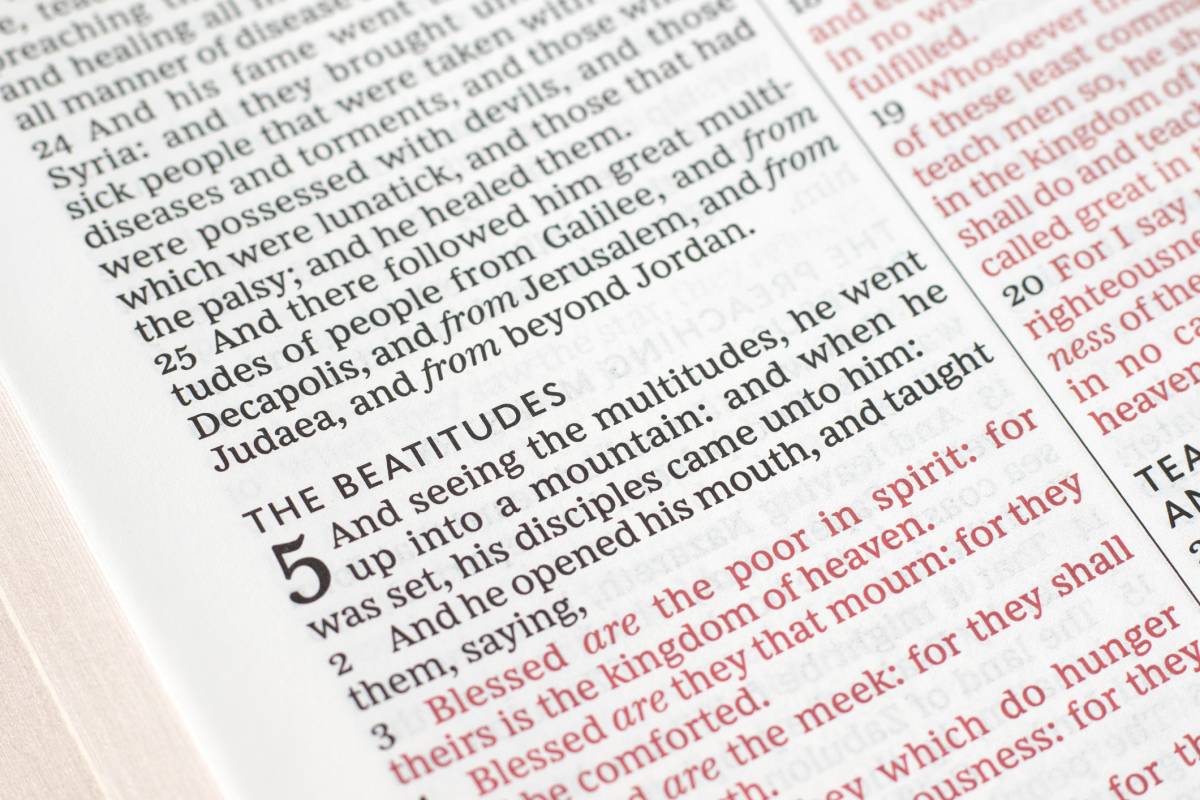
Clearly, the Holy Spirit is revealing the centrality of developing the virtue of humility in our lifelong efforts to become the person that God wants us to be in our relationships with others and with him. This, of course, is not easy. To recognize and then to make the effort to rid ourselves of pride is difficult enough, but to work at and to develop the virtue of humility is even harder, especially in a world that tells us in a thousand ways to, “take care of number one”, that you are the center of the universe, that you are “entitled” to what you desire. Sometimes we need to look at things from a different perspective. Here is what the now deceased writer, Brian Doyle, wrote about humility in an essay in his collection of essays entitled “One Long River of Song”. Doyle wrote the following in his essay, ‘The Final Frontier’, reflecting on the Beatitude, “Blessed are the poor in spirit, for theirs is the kingdom of heaven” (Mt. 5:3):
“You cannot control anything. You cannot order or command everything. You cannot fix and repair everything…All you can do is face the world with quiet grace and hope you make a sliver of difference. Humility does not mean self-abnegation, lassitude, detachment; it’s more a calm recognition that you must trust in that which does not make sense, that which is unreasonable, illogical, silly, ridiculous, crazy, by the measure of most of our culture. You must trust that you being the best possible you matters somehow…And you must do all of this with the certain knowledge that you will never get proper credit for it, and in fact, the vast majority of things you do right will go utterly unremarked…Humility is the road to love. Humility, maybe, is love. That could be. I wouldn’t know; I’m a muddle and a conundrum shuffling slowly along the road, gaping in wonder, trying to just see and say what is, trying to leave shreds and shards of ego along the road like wisps of litter and chaff.” Doyle was deeply and humbly aware of the reality that God’s grace was necessary in all of this, but also in the paramount importance of seeing and choosing humility as the difficult, narrow, and only true road to love in a world so tortured by the wide highway of consequences resulting from our prideful choices.

Lord, please show me how to have a humble attitude toward others, to serve them, and treat them with love and kindness. Forgive me for my pride and self-centeredness. Give me the grace I need to know you, to love you, and to serve you and my neighbor more and more so that I may become your good and faithful servant worthy of entrance into your heavenly kingdom. Amen.
More to Explore
SKM: below-content placeholderWhizzco for FHB