

This particular account in Luke’s Gospel has always been charged with layers of meaning for me, particularly in terms of faith and persistent prayer. It is the story about a blind beggar sitting alongside the road leading into Jericho. We know the details; he is in his usual spot, begging for his daily bread, when he becomes aware of a large crowd of people passing by. He inquires about what is happening out of natural curiosity and is told that “Jesus of Nazareth is passing by.” We get the sense that this name is not new to him, that he has heard of this person and about the healings people have said he has done. Though he is not able to see, he can hear, often better than most, and he pays attention to the comments of people walking by, or conversations that go on around him, as if he is not there. He has heard people speaking of this person, Jesus of Nazareth, and he is consumed with the desire to be healed.
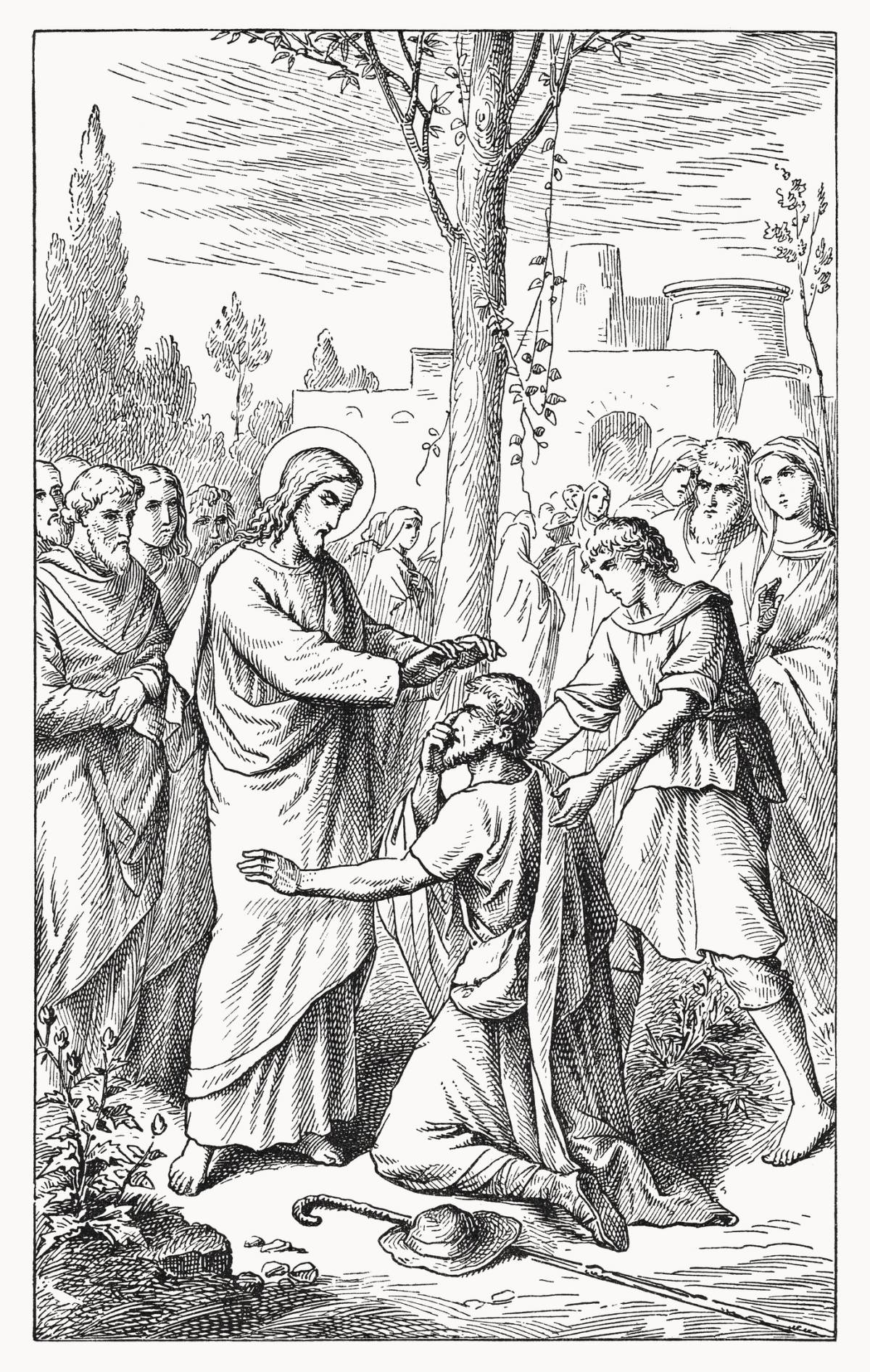
He immediately cries out, “Jesus, Son of David, have mercy on me!” (v. 38) He is rebuked by the people walking in front of the crowd. They tell him to be silent, but he is beyond their rebukes; he is moved to the depths of his being with a desperate, inexplicable faith, and a profound hope that this Jesus of Nazareth, who had healed others, might do the same for him. So, he persists. He shouts again, “Son of David, have mercy on me”. (v. 39)! This is the particular layer of this story that I want to focus on here. Notice that this prayer is said, not once, but twice here in the story. This is to imply the blind man’s persistence. He will not be quiet. His faith in Jesus’ power to heal is true and deep. It is deepened, as it often is with us, by his real and present desperation. This is the other layer that I want to touch on as well, the faith that is the force behind this urgent petition, “Jesus, Son of David, have mercy on me!”
If we are honest with ourselves and humble enough to recognize our “blindnesses,” this prayer is a forceful expression of our own, often desperate, prayer to Jesus. And, if we have faith, like this blind beggar, we too can be healed of the things that blind us to our own flaws and sins, those habits that bind us and prevent us from becoming the persons that God wants us to be. It is a prayer of persistence. This persistence is the product of faith, a faith that is not deterred by things like real or perceived rejection, silence, or the pressures to “be quiet” from those who do not have faith, or those who ridicule faith…or from our own doubts. It is a simple prayer. It is a focused prayer. It is focused on the only Person who has the power to heal us of all that blinds or binds us, that is, Jesus of Nazareth, the Son of God.
There is a small book that is well known, studied, and practiced by Christians who are working to deepen their own prayer lives and their relationship with Jesus. It is written by an anonymous, Russian pilgrim, who had heard a sermon once based on Paul’s admonition in his First Letter to the Thessalonians, “Rejoice always, pray without ceasing, give thanks in all circumstances for this is the will of God in Christ Jesus for you” (1 Thess. 5:16-18). He wanted to know how one could pray “without ceasing”. Doesn’t one have to eat, to work, to sleep? The theme of the book is the search for a deeper, more personal relationship with God through unceasing prayer. This anonymous peasant goes on a pilgrimage to find guidance on how this praying-without-ceasing can be done. He encounters an old monk who has a reputation for wisdom and asks him, “How can one pray constantly, without ceasing?” The old man tells him that he does not know that answer for him, but gives him the Jesus Prayer, “Lord Jesus Christ, have mercy on me.” and tells him to recite it over and over again as he goes on his way.
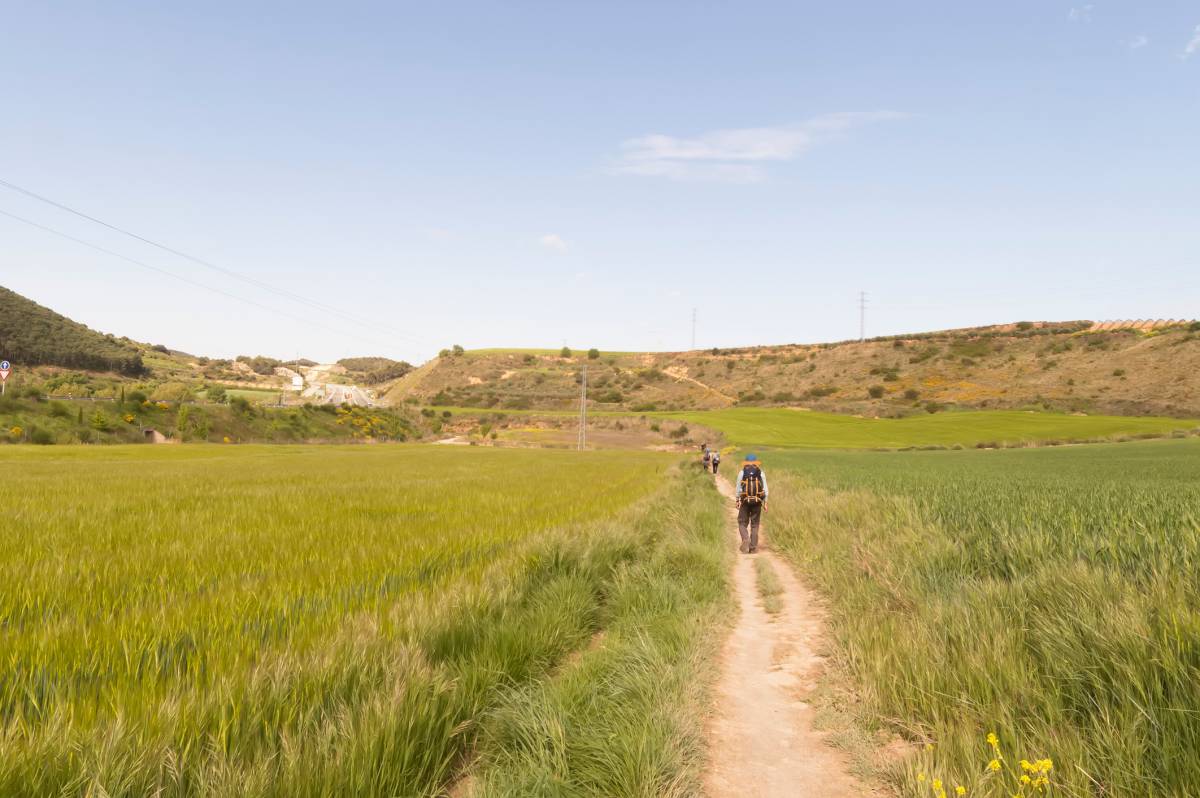
The pilgrim goes off somewhat unsatisfied, but takes up the discipline of reciting this prayer over and over again, as he walks, as he rests, while he eats. He labors diligently at it. Nothing seems to happen, but he persists until one day, as he is walking along a path through broad fields of grain, the pilgrim suddenly realizes that the Jesus Prayer has entered him and like the beat of his heart, it is has become a constant, effortless, and joyful inner presence, transforming him from his former self-centeredness into one who is filled with love for all that is around him, nature and people, and an enduring sense of peace. Where, for so long, the prayer seemed a dry, repetitive, fruitless effort, it now flowed within him constantly, leading him to a state of perpetual contentment. This happened because of his faith and his persistence in praying this simple but very powerful prayer. It became, like his heartbeat, a constant, steady, permanent part of his being. And, like the beggar in the Gospel passage from Luke above, his faith and persistence were rewarded.
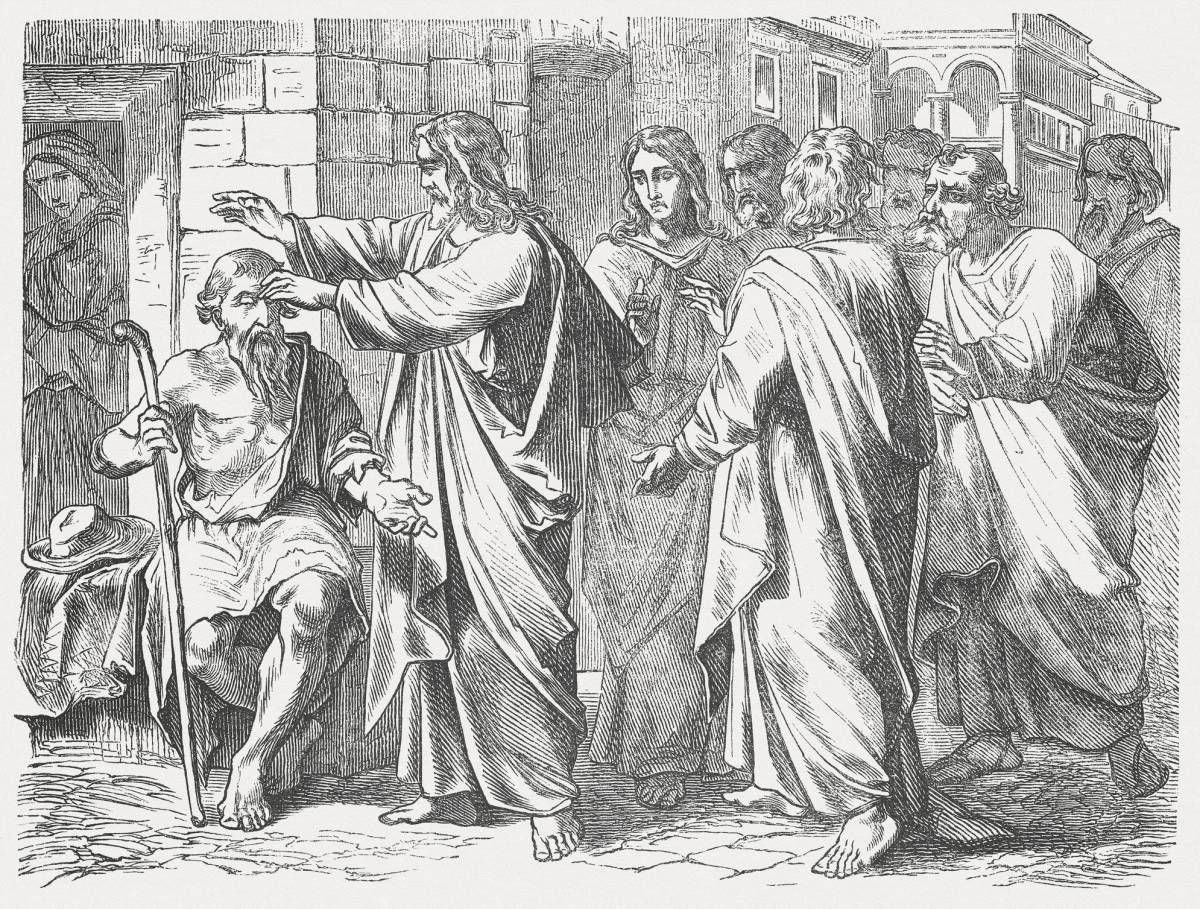
When Jesus acknowledges the blind beggar, he asks him, “What do you want me to do for you?” The blind man responds simply, “Lord, let me see” (v. 41). Jesus restores his sight to him, saying, “Receive your sight; your faith has saved you” (v. 42). And the blind beggar responds by giving Glory to God, as do all those who witnessed this miracle. The lesson? If we pray constantly with faith and with persistence, God will respond. It is not our specific requests that he responds to, but to the persistence and depth of our faith. It cannot be emphasized enough here. The message of the story is the persistence of our faith, our persistent desire to deepen our relationship with Jesus Christ, who is the source of our healing and our strength.
Like the blind beggar and the pilgrim of “The Way of the Pilgrim,” when we practice prayer persistently, we will be healed of our self-centeredness, replaced by an overflowing love for God and neighbor. Our persistent prayer will be made manifest in and through our acts of love. When this happens, we, like the blind beggar, will joyfully give all of the glory to God. Lord, Jesus Christ, have mercy on me. Amen
More to Explore
SKM: below-content placeholderWhizzco for FHB